Tips for Beginners on How to Make Money on Twitch

Making money on Twitch usually starts with building a small, engaged community rather than chasing a specific viewer number. Whether you stream games, art, music, tutorials, cooking, or Just Chatting content, viewers are more likely to support a channel when they know what to expect and have a reason to return.
This guide explains how to make money on Twitch through subscriptions, Bits, ads, donations, sponsorships, and off-stream content. It also covers current Affiliate requirements, realistic income expectations, and common questions from beginner streamers.
How Does Twitch Income Work?
Twitch does not pay a fixed amount per view. Income depends on how viewers support your channel, your location, subscription type, ad delivery, payment fees, taxes, and any external income sources you build around your content.
For most beginner streamers, the realistic path is to combine several smaller revenue sources instead of relying on ads alone.
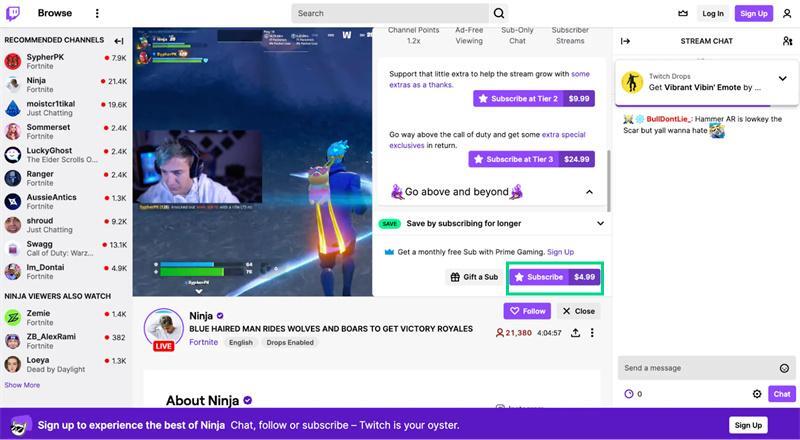
- Subscriptions: Viewers can subscribe to support a channel and unlock channel benefits. Subscription revenue is not a fixed amount per subscriber because prices, taxes, payment fees, and revenue shares vary by region and payment method.
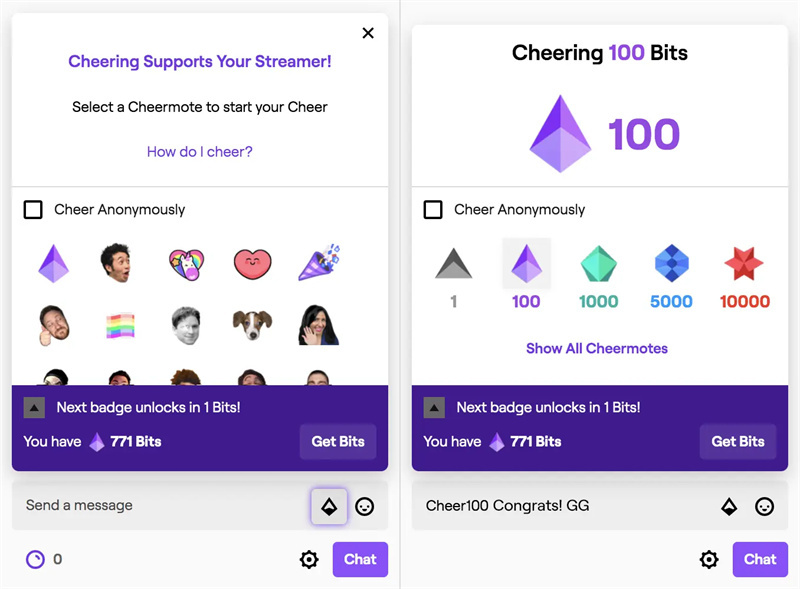
- Bits: Viewers can use Bits to cheer in chat. Bits can help turn live engagement into support, especially when you create clear moments for viewers to celebrate, such as milestones, challenges, or community goals.
- Ads: Ad income varies significantly by audience location, ad demand, watch time, and how ads are delivered. Do not estimate earnings by multiplying total views by a universal rate.
- Donations: Direct support through third-party tools can be useful for viewers who want to contribute without subscribing. Clearly disclose donation links and follow the relevant service rules.
- Sponsorships and affiliate links: Brands may pay for campaigns or provide commission-based links when your audience has a clear interest in relevant products, games, software, or equipment.
- Off-stream content: Clips, YouTube videos, short-form posts, guides, and social content can bring new viewers to your Twitch channel and may create separate income opportunities.
How Much Does 1,000 Views on Twitch Make?
There is no reliable fixed payment for 1,000 Twitch views. A view count does not show how many people subscribed, used Bits, watched ads, donated, or clicked an affiliate link. Two streams with the same number of views can earn very different amounts depending on audience engagement and monetization setup.
How Much Can a Beginner Twitch Streamer Make?
Many beginner streamers make little or no income at first. Early revenue often comes from a small number of subscriptions, Bits, donations, or affiliate commissions. Treat your first earnings as proof that your content and community model can work, then improve consistency, discoverability, and viewer retention before setting larger income targets.
How Many Followers Do You Need on Twitch to Make Money?
You do not need thousands of followers to begin building monetization tools, but you need enough consistent activity to qualify for a payout as an Affiliate or Partner. Followers alone do not determine earnings; a smaller community that watches, chats, and returns can be more valuable than a large inactive follower count.
Twitch Affiliate Requirements
To qualify for the Twitch Affiliate Program, you must complete the required achievements within a 30-day period:
- Reach 25 followers.
- Stream for 4 hours.
- Stream on 4 different days.
- Reach an average of 3 viewers on 4 different streaming days.
- Enable Two-Factor Authentication before completing Affiliate onboarding.
Once invited and onboarded, Affiliates can receive payouts after reaching Twitch's applicable payout threshold. Check the Achievements section in your Creator Dashboard because Twitch may update program availability and requirements by region.
Twitch Partner Program
Twitch Partner is a separate application-based program for established channels. The Path to Partner achievement includes higher performance expectations, including sustained average viewership. Meeting a metric does not guarantee acceptance, because Twitch also reviews content quality and compliance with its rules.
Can You Make Money on Twitch Without Being an Affiliate?
Twitch has expanded access to some monetization and community tools for eligible streamers. However, Twitch payouts are reserved for streamers who have reached Affiliate or Partner status. Before becoming an Affiliate, you can still build your audience, direct viewers to external content, and explore outside opportunities such as sponsorships or affiliate marketing where permitted.
How to Make Money on Twitch for Beginners
Begin with a repeatable stream, then add monetization after viewers have a reason to return. The steps below focus on building a channel that can earn over time instead of relying on a single lucky stream.
1. Set Up a Clear Channel Theme
Choose a content direction that viewers can understand quickly. You do not need to stream one game forever, but your channel should give people a clear reason to follow: competitive gameplay, cozy games, art, music, tutorials, reviews, speedruns, commentary, or a community-led format.
- Choose a recognizable category: A clear topic helps viewers understand what they will get from your stream.
- Create a simple profile: Use a readable username, profile image, bio, schedule, and panels that explain your content.
- Set a repeatable format: Recurring challenges, weekly themes, community games, or tutorial series give viewers a reason to come back.
2. Build a Stream Setup That Supports Your Content
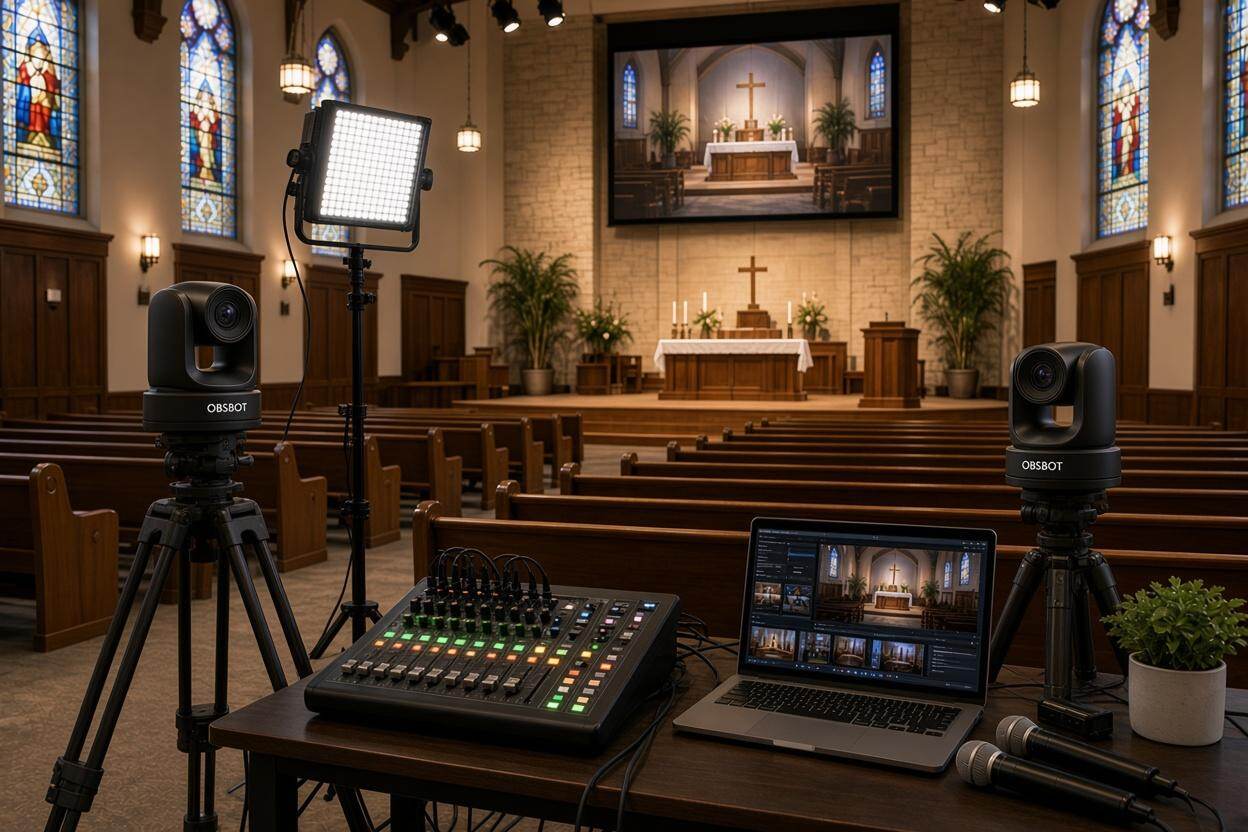
Strong content matters more than expensive gear, but clear video and audio help new viewers stay longer. Start with a stable internet connection, understandable microphone audio, and a camera setup that matches your stream style.
The Best Webcam for Twitch Live Streaming - OBSBOT Meet Flip Foldable 4K Webcam
The OBSBOT Meet Flip suits beginner streamers who want a flexible face-cam setup for gaming, Just Chatting streams, tutorials, and reaction content. Its combination of 4K capture, 1080p60, AI framing, and physical privacy design helps creators build a more consistent on-camera presentation as their channel grows.
- 4K at 30fps Capture: Records detailed face-cam footage, helping creators crop or reframe clips for YouTube videos and social posts after a stream.
- 1080p at 60fps Mode: Delivers smoother movement for gameplay reactions, hand gestures, and active Just Chatting streams.
- AI Auto Framing: Keeps the presenter centered, helping solo streamers stay composed when they lean, stand, or move during a broadcast.
- Gesture Control: Lets creators adjust selected camera controls hands-free, which can reduce interruptions during a live session.
- Foldable Privacy Design: Physically covers the lens and puts the camera into sleep mode when folded, helping creators separate live time from off-camera time.
3. Stream Consistently and Give Viewers a Reason to Return
A schedule matters because it makes your stream easier to find again. Start with a schedule you can maintain, even if it is only a few sessions per week. During each stream, greet returning viewers, respond to chat, explain what you are doing, and create small community moments instead of waiting silently for a large audience.
4. Turn Live Streams Into Discoverable Content
Twitch discoverability is stronger when your live content has a path to other platforms. Save strong moments, turn them into clips, and share useful or entertaining short videos on YouTube, TikTok, Instagram, Discord, or other communities where your target audience already spends time.
- Clip specific moments: Share wins, funny reactions, useful tips, or surprising moments instead of uploading random stream segments.
- Use searchable titles: Make your stream title explain the game, challenge, topic, or outcome viewers can expect.
- Guide viewers back to Twitch: Add your schedule and channel link to off-stream content so new viewers know when to watch live.
5. Add Monetization in a Viewer-Friendly Order
Once you qualify for monetization, introduce support options without making every stream feel like a sales pitch. Start with clear subscriber benefits, Bits goals, and donation links that support an understandable purpose, such as improving audio, running a community event, or funding a challenge stream.
- Subscriptions: Offer benefits that fit your channel, such as emotes, badges, community access, or subscriber-only activities.
- Bits: Use simple chat goals or celebrations that make cheering feel connected to the live experience.
- Donations: Keep links visible but avoid pressuring viewers; trust is more valuable than a short-term contribution.
- Sponsorships: Work with brands only when the product makes sense for your viewers and disclose paid partnerships clearly.
6. Use Analytics to Improve One Metric at a Time
Review your Twitch analytics after each stream. Focus on one question: Are more people finding the stream, staying longer, chatting, following, or returning? Improve one part of the experience at a time, such as stream timing, titles, audio, game selection, pacing, or clip strategy.
FAQs About Making Money on Twitch
How Do Beginners Make Money on Twitch?
Beginners make money on Twitch by building a consistent stream first, then adding support options as their audience grows. The usual path is to reach Affiliate eligibility, offer subscriptions and Bits, accept optional donations, and use clips or social content to bring new viewers back to live streams.
How Many Followers Do You Need on Twitch to Make Money?
To qualify for Twitch Affiliate, you need 25 followers, 4 streamed hours, 4 different streaming days, and an average of 3 viewers on 4 streaming days within 30 days. Followers alone do not create income; returning viewers and engagement matter more for subscriptions, Bits, and long-term channel growth.
How Much Money Does 1,000 Views on Twitch Make?
Twitch does not pay a fixed amount for 1,000 views. Revenue depends on how many viewers subscribe, use Bits, watch ads, donate, click affiliate links, or support sponsored content. Two streams with the same view count can earn very different amounts.
How Can You Make $500 or $10,000 a Month on Twitch?
There is no guaranteed number of viewers or followers that produces a specific monthly income. A $500 goal may come from a mix of subscriptions, Bits, ads, donations, affiliate commissions, and small sponsorships. A $10,000 goal usually requires a much larger and more engaged audience, stronger subscription conversion, brand partnerships, and income beyond Twitch itself.
Can You Make Money on Twitch Without Showing Your Face?
Yes. Gameplay, VTuber channels, art streams, coding, music production, tutorials, screen sharing, and hands-only content can all work without a face cam. The key is to provide clear value through entertainment, skill, commentary, teaching, or community interaction.
How Can Women Make Money on Twitch Safely?
Twitch monetization works the same way for every creator. Focus on a clear content format, consistent schedule, active moderation, and community guidelines that support the audience you want. Avoid sharing private information, use moderation tools, and set boundaries early.
Can You Make Money on Twitch Without Streaming?
Live content is still central to building a Twitch audience, but growth can continue between streams. Clips, YouTube videos, short-form content, guides, affiliate content, and sponsored work can bring new viewers to your channel and create additional income opportunities.
Is It Easy to Make Money on Twitch Fast?
There is no reliable fast path to Twitch income. The most sustainable route is to stream consistently, create clips from each session, improve viewer retention, collaborate with relevant creators, and build several income sources instead of relying on ads alone.
Conclusion
To make money on Twitch, build a channel people want to revisit, then give supportive viewers clear ways to participate. Start with a manageable stream schedule, improve your audio and video, create clips from every session, and focus on community before revenue targets.
Affiliate tools, subscriptions, Bits, donations, sponsorships, and off-stream content can all contribute to income. The most reliable path is not one viral stream; it is a repeatable content system that helps viewers discover you, return, and choose to support your work.