The Ultimate Guide to the Interview Podcast

The podcast industry is growing regularly in the U.S. because people are opting for meaningful content instead of senseless scrolling. One of the most common podcasts is the interview podcast. This is because people can hear real conversations and their stories to learn something new. If you are someone who wants to start hosting interview podcasts, you must be wondering how to get started. With this article, we are sharing how you can set up the interview podcast from scratch.
Part 1: What Is an Interview Podcast?
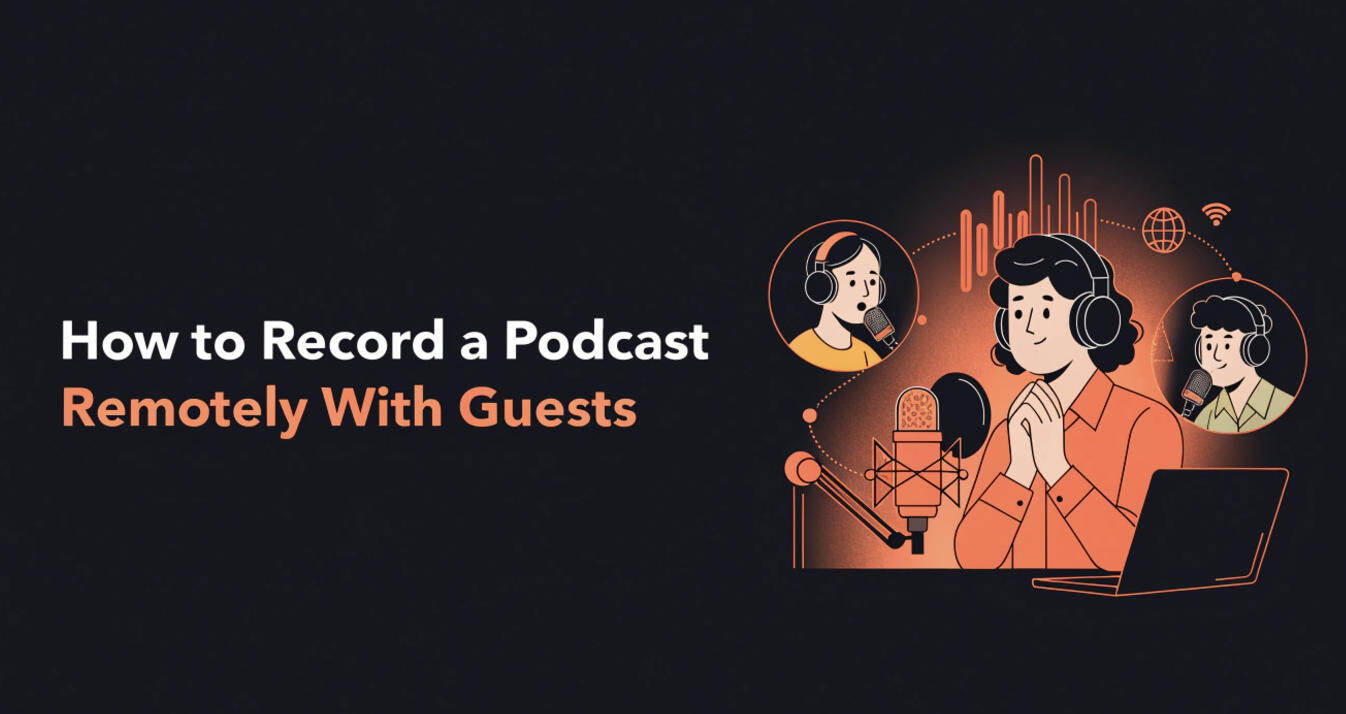
An interview podcast is a show where the host asks guests questions around a specific topic. Unlike a solo podcast, it focuses on conversation. The host's job is to guide the discussion and help the guest share insights through a structured conversation designed to inform, educate, or inspire. By preparing questions and listening carefully, the host brings out the best answer. This helps in keeping the guest the star while controlling the flow.
Common Interview Podcast Format Types
- One-on-One Interviews: This is the most common format. One host interviews one guest in a focused and personal conversation.
- Panel Interviews: The host speaks with several guests at once, often experts on the same topic. This format works well for debates or industry trends.
- Roundtable Interviews: Multiple guests share opinions in a group discussion. The host acts as a moderator to keep things organized.
- Narrative Interviews: These interviews are edited into a story format, often with music and narration. They are common in journalism and documentary-style podcasts.
- Co-Host Interview: A co-host interview involves two or more hosts interviewing a guest, creating a more dynamic and conversational experience. Different host roles add depth, making it popular in entertainment and lifestyle podcasts.
- Structured Q&A Interview: A structured Q&A interview follows pre-planned questions in a set order, making it easy for listeners to follow. This format is ideal for educational or informational podcasts and helps new hosts stay focused and on track.
Why Interview Podcasts Are So Popular?
Interview podcasts are popular because they feel real and human. Listeners hear honest answers, personal struggles, and behind-the-scenes stories. This builds trust. People also enjoy learning directly from experts instead of just reading about them. In a world full of short content, interview podcasts offer depth, meaning, and connection.
Bonus: Best Camera for Shooting Interview Podcasts - OBSBOT Tail 2 Live Production Camera
For creators who want to produce a video interview podcast, the OBSBOT Tail 2 is a powerful tool. It is an AI-powered camera that automatically tracks speakers and keeps them in frame. This is perfect for interviews because it allows hosts to focus on the conversation instead of camera work.
Key Features:
- Crystal-Clear 4K Visuals: With stunning 4K Ultra HD resolution, the OBSBOT Tail 2 captures sharp details and natural colors. This level of video quality is ideal for interview podcasts.
- Seamless Audio Integration: It has a built-in 3.5mm TRS connector that supports MIC IN and LINE IN. This allows podcasters to connect external microphones directly to the camera.
- Effortless Plug-and-Play Setup: Thanks to its simple plug-and-play design, the OBSBOT Tail 2 can be set up in just minutes. So, you can focus on asking great questions instead of managing equipment.
- Enduring Long Recording Time: It offers a long-lasting battery that supports extended recording sessions. This makes it ideal for in-depth interview podcasts without worrying about power loss.
Part 2: What Makes a Successful Interview Podcast?
1. Strong Guest Selection
Great guests are the foundation of a successful interview podcast. A strong guest has experience, expertise, or a unique story. They should match your podcast's theme and offer clear value to your audience. Well-known guests can attract new listeners, but lesser-known experts can be just as powerful if they share fresh ideas.
2. Thoughtful Preparation
Successful hosts do their homework. They research the guest's background, past work, and opinions. This allows the host to ask deeper questions instead of surface-level ones. Preparation also shows respect and helps guests feel comfortable.
3. Clear Podcast Theme
The best interview podcasts have a clear focus. Some focus on business, others on education, health, social issues, or personal growth. A clear theme helps listeners know what to expect and helps hosts choose the right guests.
4. Active Listening Skills
A great host listens more than they talk. Instead of sticking strictly to a script, they follow the conversation naturally. Active listening allows the host to ask follow-up questions that lead to better stories and insights.
5. High Audio and Video Quality
Poor sound quality can turn listeners away quickly. Successful interview podcasts invest in good microphones and quiet recording spaces. For video podcasts, clean visuals and smooth camera movement also matter.
6. Consistency and Reliability
Posting episodes on a regular schedule builds trust with your audience. Whether weekly or biweekly, consistency helps listeners make your podcast part of their routine.
Part 3: How to Launch and Host a Professional Interview Podcast?
Step 1: Choose Your Topic and Audience
First, decide what your podcast will be about. Ask yourself:
-
Who do I want to help?
-
What problems or interests does my audience have?
-
What topics excite me enough to discuss long-term?
A clear niche makes your podcast stand out.
Step 2: Pick a Podcast Name and Format
Choose a name that reflects your topic and is easy to remember. Decide if your interviews will be one-on-one, panel-based, or narrative. Keep it simple at the beginning.
Step 3: Plan Your First Episodes
Before launching, plan at least 5–10 episodes. Create a list of potential guests and topics. This helps you stay consistent after launch. This helps you stay consistent after launch, especially if you want podcast interviews with celebrities, as their appointments take time.
Step 4: Invite Guests Professionally
When inviting guests:
-
Introduce yourself clearly.
-
Explain what your podcast is about.
-
Share why you want them as a guest.
-
Mention how long the interview will be.
Being respectful and organized increases your chances of getting a "yes."
Step 5: Prepare Interview Questions
Write open-ended questions that encourage stories, not just short answers. Avoid yes-or-no questions. Leave room for natural conversation.
Step 6: Record With the Right Equipment
Use a good microphone and headphones. Record in a quiet space. If recording video, tools like OBSBOT Tail 2 can help create a professional look with minimal effort.
Step 7: Edit and Publish
Edit out long pauses, mistakes, and background noise. Add intro music if desired. Publish your podcast on platforms like Spotify, Apple Podcasts, and YouTube.
Step 8: Promote Your Podcast
Share clips on social media. Ask guests to share episodes with their audience. Promotion is key to growth.
Part 4: The Best Interview Podcast Recommendations
1. The Joe Rogan Experience (Culture & Society)

This long-form interview podcast features conversations with comedians, scientists, athletes, and public figures. This is one of the best interview podcasts that is known for deep discussions and wide-ranging topics.
2. The Lex Fridman Podcast (Education & Technology)

Lex Fridman interviews experts in AI, science, philosophy, and technology. The podcast is thoughtful, calm, and focused on learning and understanding complex ideas, making it one of the good interview podcasts.
3. How I Built This with Guy Raz (Business & Entrepreneurship)

This podcast tells the stories behind successful companies. Founders share their challenges, failures, and lessons learned while building their businesses.
4. On Being with Krista Tippett (Social Issues & Humanity)

This interview podcast explores deep questions about life, meaning, faith, and social values. It is reflective, emotional, and inspiring.
5. The Daily – Interviews Edition (News & Current Events)

Produced by The New York Times, this show often features interviews with journalists and experts to explain major news stories clearly and humanely. It also has the top interview podcasts if you are into current affairs.
6. Armchair Expert with Dax Shepard (Personal Growth & Psychology)

Dax Shepard interviews authors and psychologists about mental health, relationships, and personal growth with honesty and humor. It's also a good option if you like celebrity interview podcasts because he invites a lot of celebrities.
7. The Tim Ferriss Show (Productivity & Self-Improvement)

The Tim Ferriss Show is a popular interview podcast focused on productivity, performance, and personal growth. Each episode breaks down the habits, tools, and routines that help successful people achieve high levels of success.
Part 5: FAQs About Interview Podcast
1. What are the top interview podcasts?
Top interview podcasts include The Joe Rogan Experience, Lex Fridman Podcast, and How I Built This. They succeed because of strong guests and meaningful conversations.
2. What is the most-viewed podcast interview?
Some of the most-viewed interviews appear on The Joe Rogan Experience. Episodes featuring major celebrities and public figures gain massive attention.
3. How long should an interview podcast be?
Most interview podcasts last between 30 minutes and 2 hours. The length depends on the podcast topic and the guest. Quality matters more than duration.
4. Do interview podcasts need video?
Video is not required, but it can help with growth. Video interviews work well on YouTube and social media. Tools like OBSBOT Tail 2 make videos easier to produce.
5. How do I get guests for my interview podcast?
Start with people in your network or niche. Send clear and respectful invitations. As your podcast grows, you can start reaching out to more popular people.
6. Can interview podcasts make money?
Yes, through ads, sponsorships, and partnerships. Some hosts also sell courses or services. Monetization grows with audience size.
7. Is an interview podcast good for beginners?
Yes, it is one of the best formats for beginners. This is because the guests help carry the conversation. It also helps hosts build strong networks.
Conclusion
An interview podcast is one of the most powerful and flexible formats in modern media. It allows hosts to share knowledge, stories, and ideas through real human conversations. From education and business to social issues and personal growth, interview podcasts connect listeners with voices that matter. In this guide, we explored what an interview podcast is, why it has become so popular, and what makes one successful. We walked through the steps to launch and host a professional show and shared some of the best interview podcasts to follow. With the right preparation, tools, and mindset, anyone can create an interview podcast that informs and inspires.