How to Improve Equestrian: 2026 Complete Guide

Equestrianism, also known as horseback riding, involves the skill of riding, training, and caring for horses. It encompasses various disciplines, including dressage, show jumping, endurance riding, and rodeo events. This sport requires dedication, patience, and a commitment to continuous learning. To master horseback riding, you must learn how to control the horse, build a strong bond, and develop physical and mental skills.
Understanding proper horse care, tack maintenance, and riding etiquette is are crucial component of a well-rounded equestrian journey. Whether you aim for competitive success or simply wish to enjoy a leisurely ride with your horse, enhancing your confidence and riding experience is essential. In this guide, we'll explore essential tips and strategies on how to improve equestrian and elevate your skills.
How to Improve Equestrian?
1. Building a Strong Foundation with Your Horse
One of the best ways to improve equestrianism is to build a strong bond with your horse. Make time for groundwork, practice trust-building exercises, and learn to read your horse's body language. Consistency in handling and training builds mutual respect and understanding. It is important to note that a horse that trusts its rider responds better to commands. This, in turn, makes riding smoother and more enjoyable.
2. Enhancing Rider Fitness: The Body Behind the Skill
Riding needs core strength, balance, flexibility, and endurance. As a rider, engage in cross-training exercises like yoga, Pilates, and strength training. This will help to improve posture and stability in the saddle. Cardiovascular fitness helps in building stamina for longer rides, while stretching prevents stiffness. When you have a strong and agile body, it allows better control over movements, reducing strain and improving communication with your horse. Regular fitness training benefits not just riding performance but also overall rider well-being.
3. Skill Development: Practical Training Tips
Improving equestrian skills involves structured training. Work on fundamental techniques like posture, rein control, and leg positioning. Practice transitions, circles, and lateral movements to refine coordination. Use varied terrain to challenge your balance. Video recordings will help in analyzing most of your mistakes. Seek feedback from expert trainers and test different riding styles. If you are consistent and focused on practice, it will build your confidence as a rider with your horse.
Best Camera for Equestrian Recording - OBSBOT Tail 2 Live Production Camera
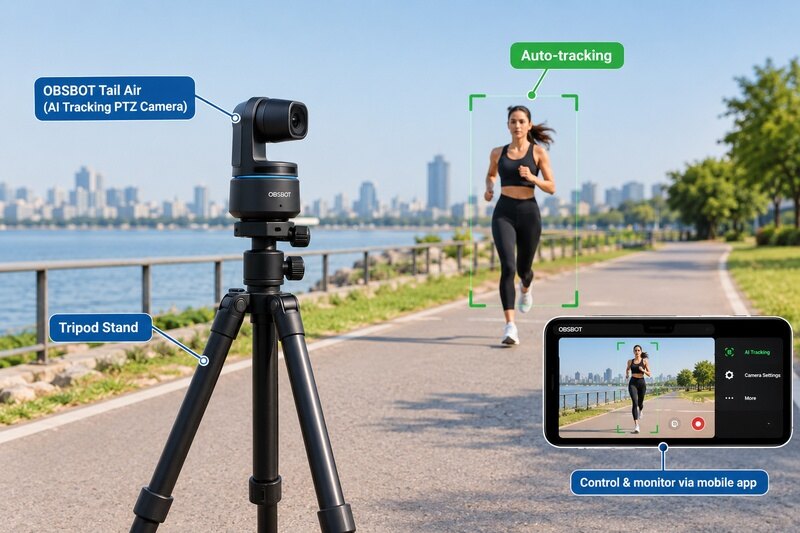
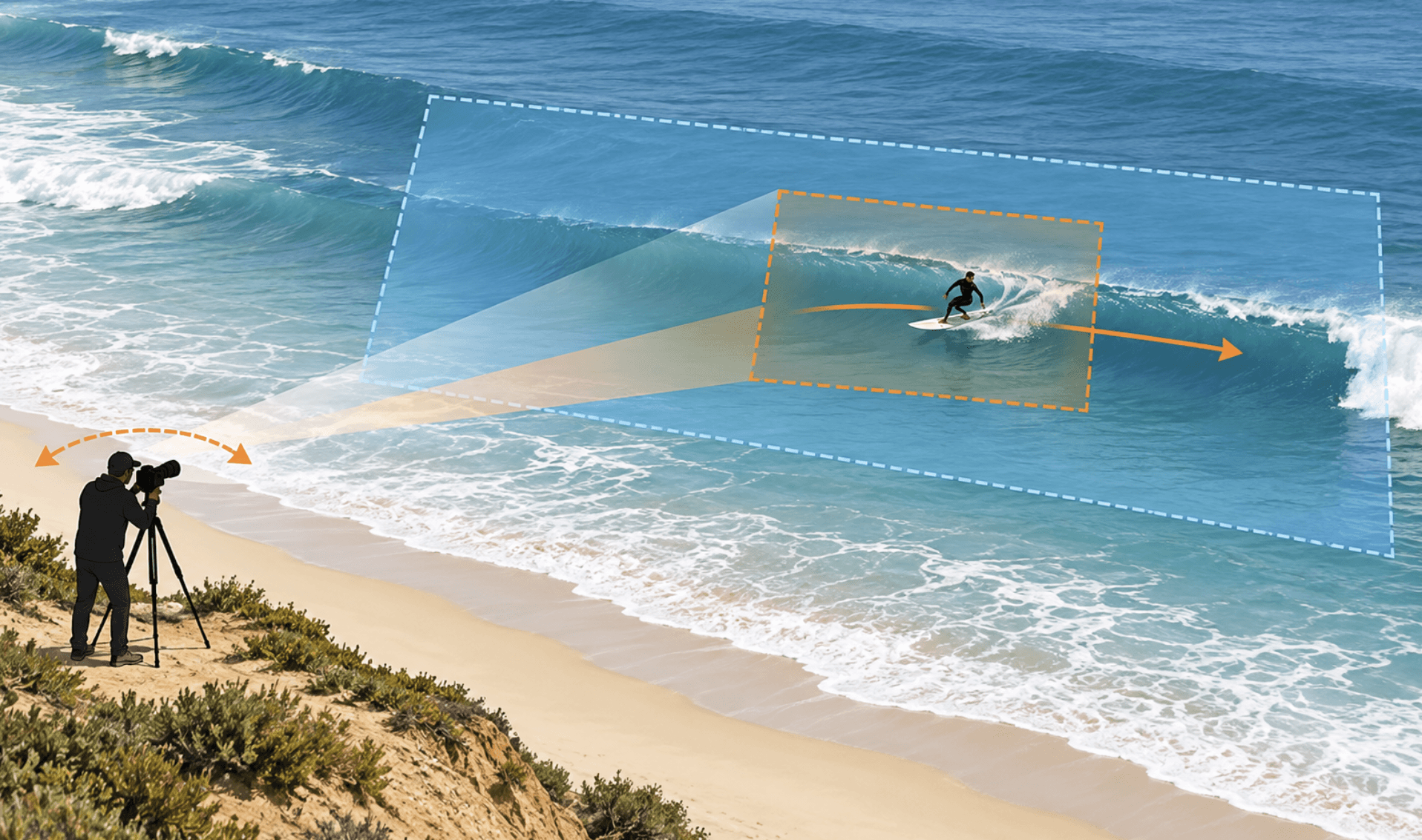
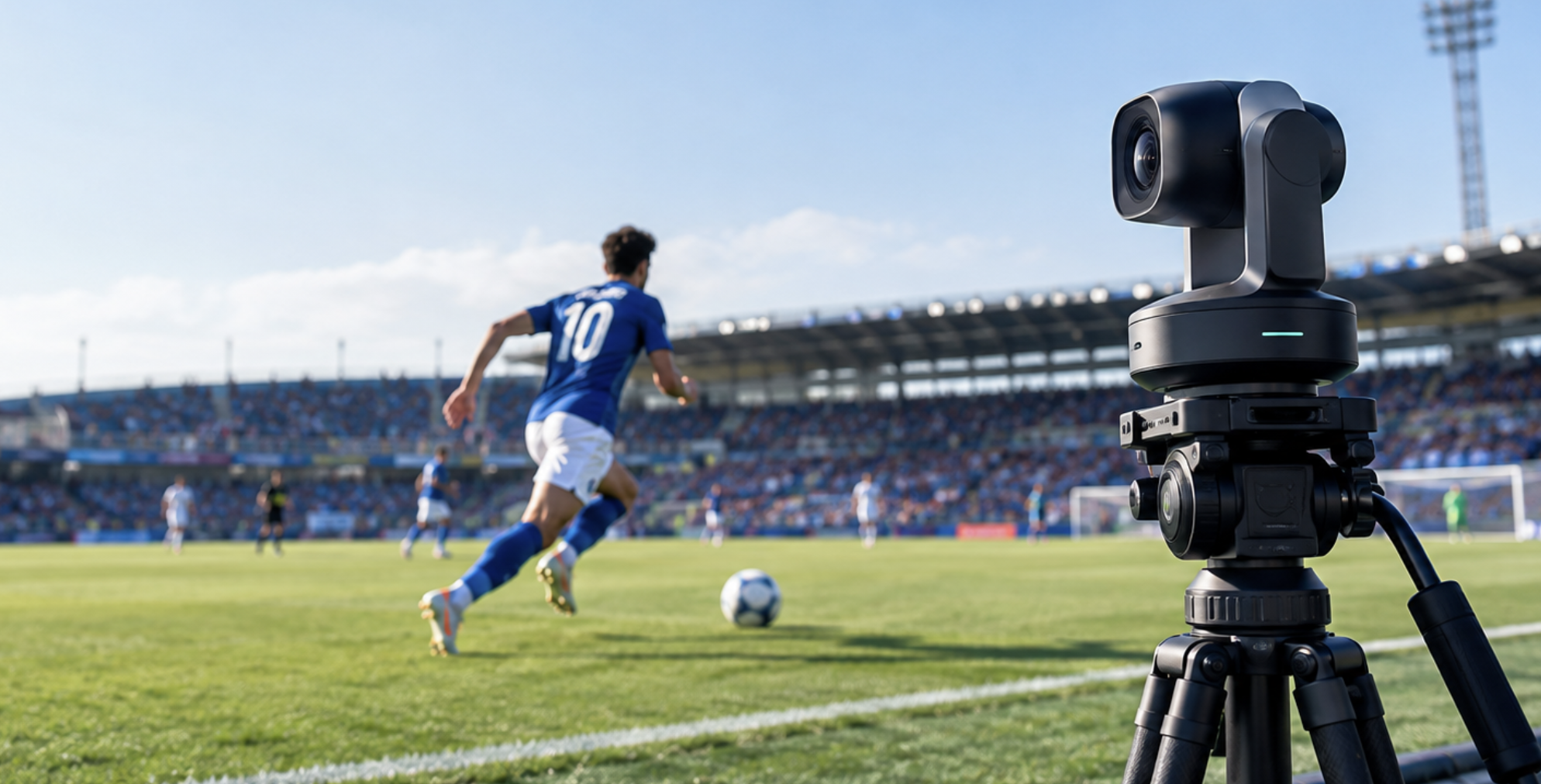
The OBSBOT Tail 2 is a PTZR (Pan, Tilt, Zoom, Rotate) live production camera equipped with AI-powered tracking capabilities. It is designed for high-quality video capture across various scenarios, including equestrian events. With its advanced AI tracking, high-quality imaging, and zoom capabilities, the Tail 2 is particularly well-suited for recording equestrian activities. The AI tracking feature enables the camera to smoothly follow a riding horse or rider, delivering seamless footage without the need for manual adjustments.
Key Features:
- PTZR Lens Design: The Tail 2 features a gimbal structure that allows the lens to rotate 90°, enabling easy switching between landscape and portrait modes while providing excellent stabilization, ideal for capturing dynamic equestrian moments.
- AI Tracking 2.0: The camera features an upgraded AI neural network for better tracking, subject recognition, and customization. The "Only Me" feature focuses on the selected subject, while the "Group Tracking" mode captures many participants during an equestrian lesson or event.
- High-Quality Imaging: The Tail 2 captures video up to 4K at 60fps and 1080p at 120fps, featuring a 1/1.5" CMOS sensor with 2μm pixels and 12 optical lenses. Its dual native ISO technology adapts to varying lighting conditions, ensuring detailed footage even in low light during evening equestrian sessions.
- Zoom Capabilities: The camera features a 5x optical zoom and a 12x hybrid zoom, making it ideal for detailed close-ups of equestrians and horses. It excels at capturing distant subjects, ensuring that even faraway objects appear sharp and detailed.
- Multiple Connectivity: The Tail 2 supports multiple connections, including NDI, SDI, HDMI, USB 3.0, Ethernet, and more. This versatility makes it ideal for live streaming and recording equestrian events, ensuring seamless integration into any production setup.
4. Learning beyond the Arena
True horsemanship is more than just riding. You have to study equine behavior, nutrition, and biomechanics to know your horse's needs. Read books, watch training videos, and attend workshops to develop your knowledge. Observing experienced riders and trainers can also provide valuable insights. Learning first aid and proper care practices will improve your horse's welfare. This makes you a more responsible and knowledgeable equestrian.
5. Join an Equestrian Community
Being part of an equestrian community builds growth, motivation, and support. Join riding clubs, online forums, and local events that connect you with experienced riders and trainers. Group lessons and clinics provide new perspectives and constructive feedback. Dialoguing about techniques, horse care, and competitions can help you with more understanding.
6. Advanced Techniques for Serious Riders
For those aiming to excel in equestrian, advanced techniques will help with control and precision. You have to master your collection, extension, and flying lead, as all these changes improve performance. Taking out time to experiment with bitless riding or bareback training strengthens balance and feel. Working with elite trainers and advanced riders will constantly help you to challenge yourself and strive for excellence in your craft.
FAQs About How to Improve Equestrian
1. How can I become a better equestrian?
You can become better with consistent practice and proper guidance. Focus on balance, posture, and clear communication with your horse. Regular lessons and riding different horses help build skill. Progress takes time, so patience and steady training matter more than speed.
2. What are the best exercises for equestrians?
Off-horse exercises help a lot with riding performance. Core strength, leg strength, balance training, and stretching improve stability in the saddle. Exercises like planks, squats, and yoga are common. Strong fitness reduces fatigue and helps you ride more effectively.
3. Is equestrian one of the hardest sports?
Yes, it is considered very challenging. Equestrian sports require physical strength, balance, coordination, and mental focus. Riders must also work with a living animal that has its own reactions. Success depends on both rider skill and horse training, which makes it more complex than many sports.
4. Can a horse carry a 300 lb man?
No, most horses should not carry that much weight safely. A common guideline is that a horse should carry no more than 20% of its body weight, including tack. Some large draft horses can handle more, but it depends on fitness and build. Always prioritize the horse’s health.
5. How hard is it to be an equestrian?
It is fairly hard and requires long-term commitment. Riders must train regularly, care for horses daily, and manage both physical and mental challenges. Progress can be slow, especially at higher levels. However, many riders find the effort rewarding and enjoyable.
6. Is equestrian a rich person sport?
No, but it can be expensive. Costs include lessons, gear, horse care, and travel. Some riders reduce costs by leasing horses or riding at shared barns. While wealth helps, passion and smart budgeting make the sport more accessible.
7. Who is the youngest billionaire equestrian?
There is no widely confirmed answer. While some wealthy individuals ride horses, very few publicly identified billionaires are known mainly for equestrian sports. Most top riders earn success through competition, sponsorships, or family support rather than personal billionaire status.
8. What jobs do most equestrians have?
Most equestrians have regular jobs outside of riding. Common roles include trainers, instructors, grooms, barn managers, or unrelated careers like teaching or business. Riding is often a passion alongside work. Only a small number earn a full-time income from competition alone.
Conclusion
Improving as an equestrian requires dedication, patience, and a willingness to learn. By building a strong bond with your horse, maintaining rider fitness, refining your skills, and continuously educating yourself, you can enhance your riding experience.
High-quality video recording is crucial for tracking your progress. The OBSBOT Tail 2 camera is perfect for equestrians and ideal for analyzing riding techniques and training sessions. Whether practicing alone or reviewing lessons with a coach, it provides clear and smooth footage to help identify areas for improvement.
Start your journey toward becoming a better rider today, and let technology assist you in mastering the art of equestrianism. With dedication and the right tools, you can achieve excellence and beyond.