Best Optical Zoom Cameras in 2026: 7 Models Compared

A long zoom lets you frame wildlife, sports, landmarks, and performers without moving closer. Yet the largest zoom number does not automatically produce the best photos.
Sensor size, autofocus, stabilization, portability, and lens brightness all affect the final result. A 15x camera with a 1-inch sensor may outperform a 60x model in poor light. The right choice depends on what you shoot and how much gear you are willing to carry.
This guide compares seven current optical zoom cameras across compact, bridge, and live-production categories.
Optical Zoom Camera Comparison
| Camera | Type | Equivalent Lens | Optical Zoom | Sensor | Best Use | Main Tradeoff | Approx. Price |
|---|---|---|---|---|---|---|---|
| Sony RX10 V | Bridge camera | 24–600mm | 25x | 1-inch | Wildlife, travel, sports, and hybrid shooting | Expensive and larger than a compact | $2,300 |
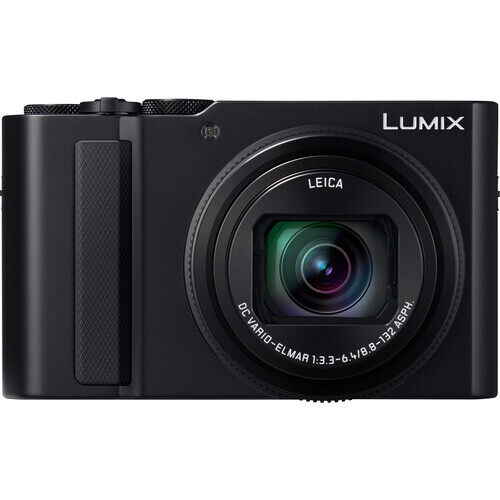
| Panasonic Lumix ZS300/TZ300 | Travel compact | 24–360mm | 15x | 1-inch | Travel photography and everyday use | No eye-level viewfinder | $1,200 |
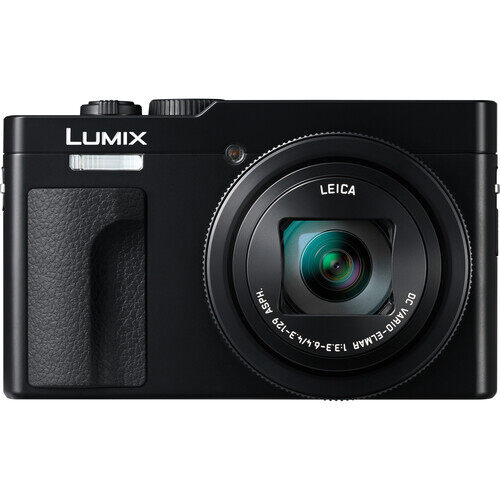
| Panasonic Lumix ZS99/TZ99 | Pocket travel camera | 24–720mm | 30x | 1/2.3-inch | Lightweight travel and distant landmarks | Image quality falls in low light | $698 |
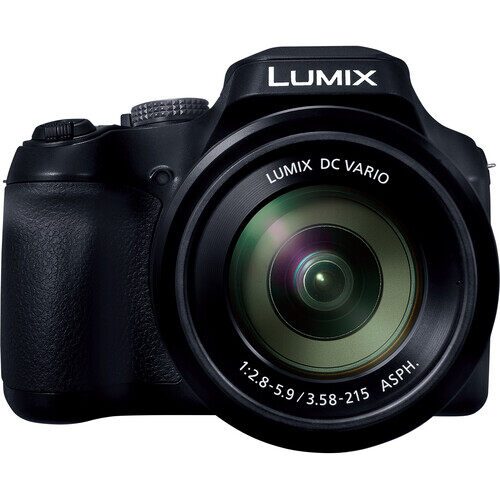
| Panasonic Lumix FZ80D/FZ82D | Budget bridge camera | 20–1200mm | 60x | 1/2.3-inch | Wildlife and outdoor photography on a budget | Bulky body and modest low-light quality | $550 |
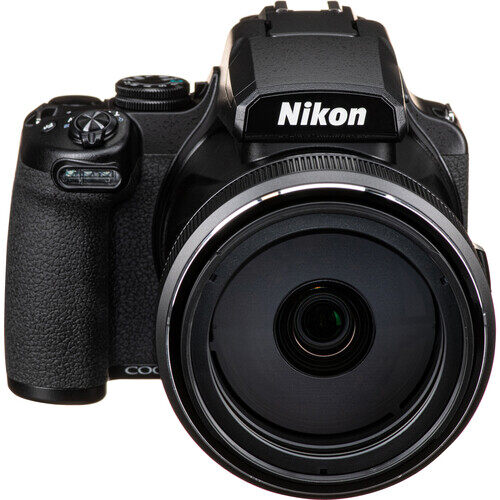
| Nikon COOLPIX P1100 | Superzoom bridge camera | 24–3000mm | 125x | 1/2.3-inch | Birds, aircraft, and moon photography | Heavy and difficult to hold steady at full zoom | $1,050 |
| Sony RX100 VII | Premium compact | 24–200mm | 8.3x | 1-inch | Pocket travel, family, and street photography | Limited reach for a premium price | $1,500 |
| OBSBOT Tail 2 | PTZR production camera | 5x optical zoom | 5x | 1/1.5-inch | Live events, streaming, and tracked video | Designed for video rather than still photography | $1,199 |
Best Optical Zoom Cameras in 2026
1. Sony RX10 V
Approximate price: $2,300
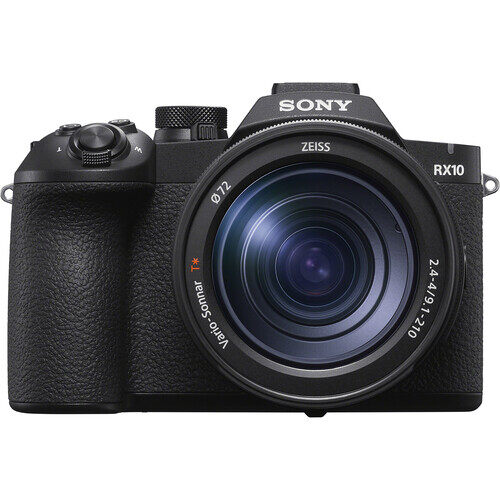
The Sony RX10 V is the strongest all-around choice when you want one camera for wildlife, travel, sports, and video.
Its 24–600mm equivalent lens covers wide scenes and distant subjects. The 1-inch sensor gives it a clear image-quality advantage over many bridge cameras with longer zoom ranges. Details hold up better when the light is less than ideal.
Fast subject detection is especially useful for birds, animals, and athletes. The lens also maintains an f/2.4–4 aperture, so it gathers more light at the telephoto end than many compact superzooms.
Video is another strength. It supports full-width 4K at 60 fps, while 4K at 120 fps is available with a crop.
The main question is value. It costs more than many interchangeable-lens cameras. It also will not fit in a pocket. Choose it when avoiding lens changes matters more than keeping the kit small or inexpensive.
Key strengths:
- Useful 24–600mm range
- 1-inch stacked sensor
- Strong autofocus and subject recognition
- Full-width 4K60 recording
- Bright lens for its zoom range
Consider another model if: You only need occasional telephoto shots or want a truly compact travel camera.
2. Panasonic Lumix ZS300/TZ300
Approximate price: $1,200
The ZS300 takes a different approach to travel zoom. Its 15x range is shorter than the 30x or 60x alternatives, but the 1-inch sensor puts more emphasis on image quality.
The 24mm wide end works well for city streets, interiors, and landscapes. At 360mm, the lens still reaches far enough for distant architectural details, portraits, and animals encountered while traveling.
This balance matters in real use. Very long pocket zooms often rely on small sensors. They can look good in sunlight but become noisy indoors or near sunset. The ZS300 provides more room for cropping and editing when conditions are difficult.
Its compact body is easier to carry than a bridge camera. However, the fixed screen and lack of an eye-level viewfinder may frustrate photographers who often work in bright sunlight.
This model makes the most sense for travelers who care more about cleaner files than having the longest possible lens.
3. Panasonic Lumix ZS99/TZ99
Approximate price: $698
The ZS99 is for travelers who want serious reach without carrying a bridge camera.
Its 30x optical zoom covers a 24–720mm equivalent range. That is wide enough for buildings and group shots, then long enough for distant landmarks, wildlife, and details across a stadium.
The tilting screen is useful for low-angle photographs and self-recorded travel clips. The camera also includes 4K video and Panasonic’s 4K Photo modes, which can help extract a usable frame from brief action.
There is a predictable compromise. The 1/2.3-inch sensor performs best outdoors. Indoor scenes and evening photos can lose detail as the ISO rises. Full zoom also requires careful technique, even with stabilization.
Buy it when pocketable reach is the priority. The ZS300 is the better choice when low-light quality matters more than reaching 720mm.
4. Panasonic Lumix FZ80D/FZ82D
Approximate price: $550
A first wildlife camera does not need to cost four figures. The FZ80D provides a 60x optical zoom and a 20–1200mm equivalent lens at a relatively accessible price.
The 20mm wide end is unusually useful. It captures landscapes, architecture, and group scenes more comfortably than cameras that begin at 24mm or 28mm. At the other end, 1200mm gives beginners room to photograph birds and animals without approaching them.
An electronic viewfinder helps when tracking a moving subject or shooting in harsh sunlight. The grip also provides more stability than a thin compact body.
The small sensor and relatively slow lens are its main limitations. Use it in good daylight whenever possible. At full zoom, brace the camera, use a fast shutter speed, or add a monopod.
It is a practical starting point for outdoor photographers who want more reach than a phone or standard kit lens can provide.
5. Nikon COOLPIX P1100
Approximate price: $1,050
The P1100 answers a simple question: which current camera zooms the farthest without requiring a separate lens?
Its 125x optical zoom spans an extraordinary 24–3000mm equivalent range. It can fill the frame with the moon, distant aircraft, perched birds, or details that are barely visible to the eye.
That range changes the way the camera must be used. At 3000mm, even a small movement shifts the frame dramatically. Stabilization helps, but a tripod, monopod, or solid support produces more consistent results. Heat haze and atmospheric distortion can also reduce distant detail.
The P1100 uses a small sensor, so its advantage is reach rather than low-light image quality. The lens also becomes slow at the telephoto end.
This is a specialist camera. It is rewarding for moon, bird, aircraft, and observation photography. It is excessive for everyday travel or indoor use.
6. Sony RX100 VII

Approximate price: $1,500
The RX100 VII proves that a useful optical zoom does not need a large body.
Its 24–200mm equivalent lens covers landscapes, street scenes, portraits, family events, and moderate telephoto shots. The 8.3x zoom sounds modest beside a 60x bridge camera, but the 1-inch sensor and responsive autofocus deliver more consistent results across everyday situations.
The camera is small enough for a jacket pocket. This makes it easier to carry all day than the RX10 V or P1100. Fast burst shooting and reliable subject tracking also help with children, pets, and street action.
The compact controls require patience. The grip is shallow, the menus are extensive, and the price is high for an older model.
Choose it when portability and speed matter more than extreme reach. Wildlife photographers should look elsewhere, but frequent travelers may use this camera far more often than a heavier superzoom.
7. OBSBOT Tail 2
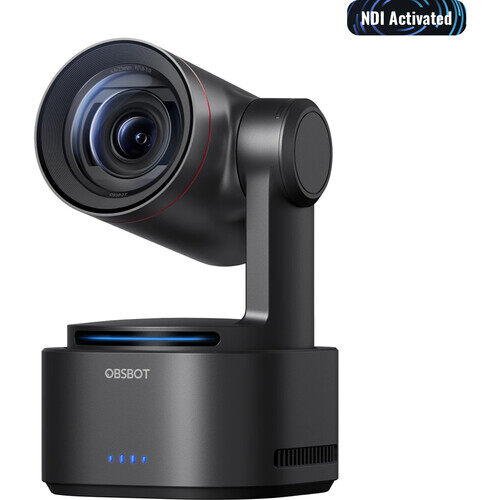
Approximate price: $1,199
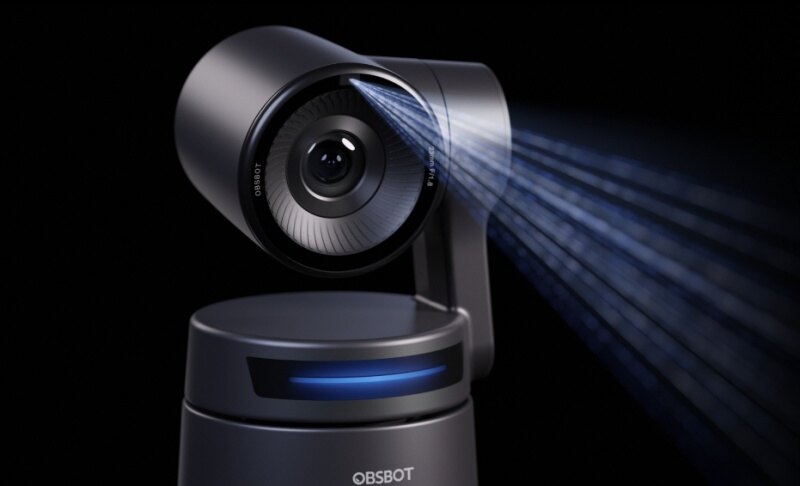
The OBSBOT Tail 2 belongs in a different branch of the optical zoom market. It is built for live video production rather than conventional still photography.
Its 5x optical zoom helps frame presenters, performers, speakers, and products from a distance. AI tracking can follow a subject as they move, reducing the need for a dedicated camera operator.
The three-axis PTZR system supports horizontal, vertical, and portrait-oriented production. Connections include HDMI, SDI, Ethernet, and USB 3.0. This makes the camera easier to integrate into livestreaming, event, education, and multi-camera workflows.
It records up to 4K at 60 fps and 1080p at 120 fps. A 12x hybrid zoom is available, although optical zoom should remain the first choice when image quality matters.
The Tail 2 is a strong option for live events and content production. It is not the right choice for handheld travel photography or high-resolution still images.
How to Choose an Optical Zoom Camera
-
Focal length matters more than the zoom ratio.
A 10x label only describes the difference between the widest and longest positions. It does not show the actual reach. A 24–240mm lens and a 35–350mm lens are both 10x zooms, but they frame scenes differently. Check the 35mm-equivalent focal length before comparing cameras.
-
Balance sensor size against reach.
A larger sensor usually produces cleaner images, better dynamic range, and stronger low-light performance. A small sensor makes it easier to build a lighter camera with a much longer lens. Choose a 1-inch model for overall image quality. Choose a small-sensor superzoom when distant framing is the priority.
-
Treat stabilization as assistance, not a complete solution.
Camera shake becomes more visible as the focal length increases. Optical stabilization helps, but it cannot freeze a moving bird or athlete. Use a faster shutter speed for movement. At extreme focal lengths, a tripod or monopod is still valuable.
-
Consider autofocus for moving subjects.
Wildlife, sports, pets, and children require fast focus and dependable tracking. A long lens is less useful if the camera repeatedly focuses on the background. Look for subject detection when action photography is important.
-
Decide how much camera you will carry.
Pocket cameras are easier to take on trips, but their shorter lenses and small controls involve compromises. Bridge cameras provide a larger grip, viewfinder, and longer zoom. They also occupy much more space.
-
Separate photography needs from video-production needs.
Travel and wildlife cameras prioritize still-image controls, portability, and viewfinders. Live-production cameras prioritize tracking, remote control, continuous power, and HDMI, SDI, USB, or network connections. The OBSBOT Tail 2 is relevant to the second group, while the other models are designed mainly for photography.
Optical Zoom vs. Digital Zoom
Optical zoom changes the lens position and captures the subject using the camera's available sensor resolution. Digital zoom crops and enlarges the image. This usually removes detail. Hybrid zoom combines optical magnification with processing, so results vary by camera and output resolution.
Frequently Asked Questions
Which camera has the highest optical zoom?
The Nikon COOLPIX P1100 offers a 125x optical zoom with a 24–3000mm equivalent lens. It is one of the longest fixed-lens zoom cameras currently available. Its size, weight, small sensor, and slow telephoto aperture make it a specialist option rather than the best camera for every user.
What does 10x optical zoom mean?
A 10x zoom lens has a longest focal length that is ten times its shortest focal length. For example, a 24–240mm equivalent lens provides 10x optical zoom. Always check both focal-length numbers because another 10x lens may begin and end at different angles of view.
What is the best compact camera with optical zoom?
The Panasonic Lumix ZS300 is a strong option when image quality is the priority. It combines a 1-inch sensor with a 24–360mm lens. The Panasonic ZS99 offers more reach in a pocketable body, while the Sony RX100 VII provides faster performance with a shorter 24–200mm lens.
Is optical zoom better than digital zoom?
Yes, in most situations. Optical zoom uses the lens to magnify the scene before the image reaches the sensor. Digital zoom enlarges a cropped section of the image and can reduce detail. A high-resolution camera may tolerate a moderate crop, but this is not a replacement for true optical reach.
Should I buy a bridge camera or a compact zoom camera?
Choose a bridge camera if you want a larger grip, an electronic viewfinder, and longer telephoto reach. Choose a compact zoom if portability is more important and you plan to carry the camera throughout the day. Frequent travelers often benefit from a compact model. Wildlife photographers usually gain more from a bridge camera.
Conclusion
The best optical zoom camera is the one that balances reach with the image quality, size, and controls you will actually use. The Sony RX10 V offers the strongest overall balance. The Panasonic ZS99 provides pocketable reach, while the FZ80D makes long-zoom photography more affordable. For extreme distance, the Nikon P1100 remains the specialist choice. Live-event creators should consider the tracking and connectivity of the OBSBOT Tail 2.