DSLR vs Mirrorless Camera: Which Should You Buy?

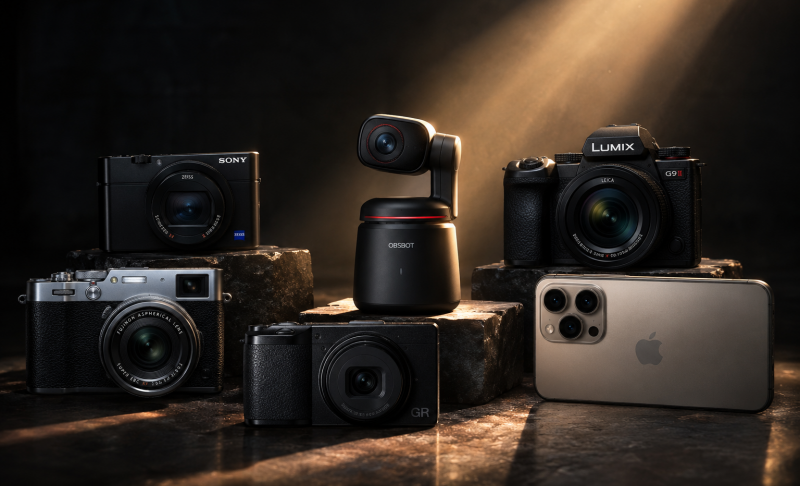
Choosing between a DSLR vs mirrorless camera is less about which format is “better” and more about which one fits the way you shoot. For most new buyers, mirrorless is the stronger long-term choice. DSLR still makes sense if you want used-camera value, longer battery life, or an optical viewfinder.
DSLR vs Mirrorless Camera: The Short Answer
Choose mirrorless if you are buying your first serious camera today. It usually gives you better autofocus tracking, stronger video features, a smaller body, and a more future-friendly lens system.
Choose DSLR if budget and battery life matter most. A used DSLR body with a good lens can still deliver excellent photos, especially for portraits, landscapes, studio work, and everyday photography.
| If You Care Most About | Better Choice | Why |
|---|---|---|
| Beginner learning | Mirrorless | Live exposure preview makes settings easier to understand. |
| Lowest budget | DSLR | Used DSLR bodies and lenses can be very affordable. |
| Video creation | Mirrorless | Better live view, autofocus, and compact video setups. |
| Long battery life | DSLR | Optical viewfinders use less power than electronic displays. |
| Future upgrades | Mirrorless | Most new camera and lens development is focused on mirrorless systems. |
DSLR vs Mirrorless: Key Differences That Actually Matter
The main difference is the viewfinder system. A DSLR uses a mirror and optical viewfinder. A mirrorless camera removes that mirror and uses the sensor to send a digital preview to the screen or electronic viewfinder.

1. Viewfinder: Optical vs Electronic
A DSLR optical viewfinder shows the scene directly through the lens. It feels natural, has no screen lag, and does not drain much battery.
A mirrorless electronic viewfinder shows a digital preview. This lets you see exposure, white balance, depth of field, and color before taking the photo. For beginners, that preview can make learning much faster.
2. Size and Weight
Mirrorless bodies are usually smaller because they do not need a mirror box. This helps for travel, street photography, hiking, and everyday carry.
However, do not judge weight by the camera body alone. A full-frame mirrorless camera with a large zoom lens can still feel heavy. Always compare the full kit: body, lens, spare batteries, and accessories.
3. Autofocus
Modern mirrorless cameras often have stronger face, eye, animal, vehicle, and subject tracking. This matters for portraits, kids, pets, sports, events, and video.
DSLR autofocus can still be excellent for still photography, especially on higher-end models. The difference is that mirrorless systems usually make tracking easier because focus happens directly from the imaging sensor.
4. Video
Mirrorless is usually the better choice for video. The camera is already built around live sensor view, so framing, focusing, and exposure preview feel more natural.
DSLR video can still work, especially for controlled shots. But if your main goal is YouTube, travel video, short-form content, interviews, or hybrid photo/video work, mirrorless is the more practical path.
5. Battery Life
DSLRs usually last longer per charge because the optical viewfinder does not require a powered display. This is useful for weddings, wildlife, travel days, and outdoor shoots.
Mirrorless cameras use power for the rear screen and electronic viewfinder. If you choose mirrorless, plan on carrying extra batteries.
6. Lens Choice and Long-Term System Value
DSLR systems have a large used lens market, which can be great for budget buyers. You may find affordable portrait, macro, telephoto, and walkaround lenses.
Mirrorless systems are better for long-term growth. New bodies, new lenses, and new autofocus technologies are mostly moving in that direction. If you are starting from zero, the lens system matters as much as the camera body.
Bonus: Best Production Camera for Video Creators - OBSBOT Tail 2 Live Production
If you are comparing DSLR vs mirrorless mainly because you want to create videos, tutorials, livestreams, product demos, or studio content, there is another type of camera worth understanding: a dedicated production camera.
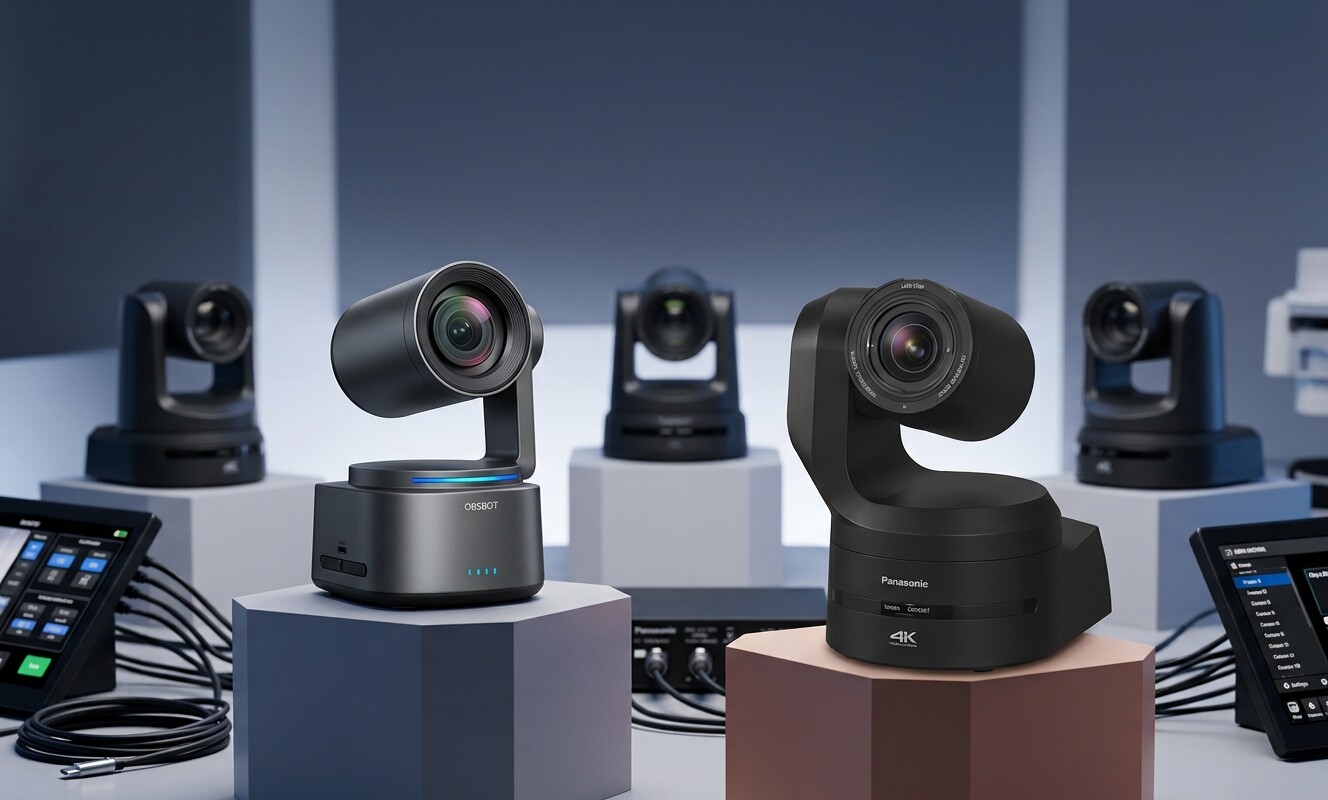
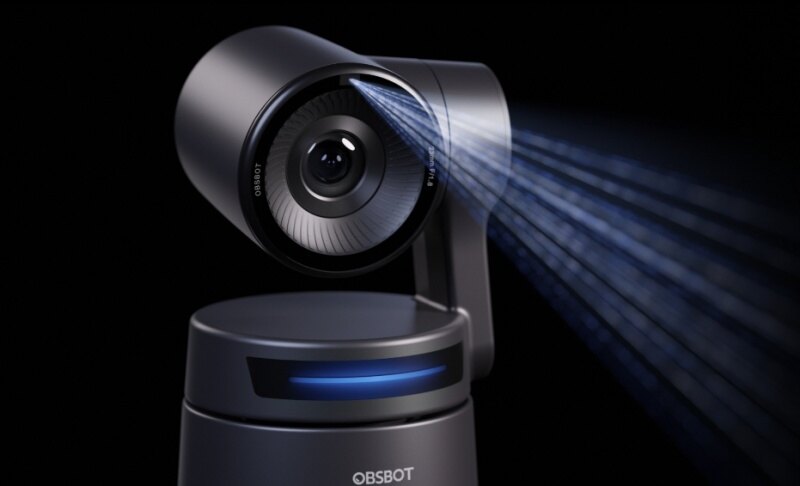
The OBSBOT Tail 2 is not a DSLR or mirrorless camera for traditional photography. It is an AI-powered PTZR 4K live production camera built for creators who need movement, tracking, flexible framing, and pro video connections without keeping someone behind the camera all the time.
Price: $1,199 Only for reference.
Why It Fits Video-Focused Creators:
- AI tracking for solo production: Keeps presenters, teachers, performers, and product demonstrators framed while they move.
- 4K live production quality: Supports 4K@60fps and 1080p@120fps raw capture for sharp video workflows.
- PTZR camera movement: Pan, tilt, zoom, and rotation make it easier to capture wide shots, close-ups, and vertical content without manual camera operation.
- Strong zoom and framing control: 5x optical zoom and 12x hybrid zoom help capture details in classrooms, studios, stages, and event spaces.
- Pro connectivity: HDMI 2.0, 3G-SDI, Ethernet with PoE+, USB 3.0, NDI, RTMP, RTSP, SRT, and FreeD support make it easier to fit into livestreaming and production setups.
Practical note: Choose a DSLR or mirrorless camera if your main goal is photography. Consider OBSBOT Tail 2 if your priority is video production, livestreaming, teaching, product demos, events, or hands-free camera movement.
Which One Should You Buy Based on Your Use Case?
The right answer changes by scenario. A beginner vlogger, a budget portrait shooter, and a landscape photographer may all need different gear.
| Use Case | Recommended Choice | Reason |
|---|---|---|
| First serious camera | Mirrorless | Easier exposure preview, better upgrade path, stronger everyday autofocus. |
| Portrait photography | Mirrorless, unless a DSLR is much cheaper | Eye detection helps reduce missed focus. |
| Landscape photography | Either | Lens quality, tripod use, and technique matter more than camera type. |
| Video and vlogging | Mirrorless | Better live view, video autofocus, and compact rigs. |
| Sports, kids, pets | Mirrorless | Modern tracking helps keep moving subjects sharp. |
| Tight used-camera budget | DSLR | A used DSLR plus a good lens can beat a weak new kit. |
| Long outdoor sessions | DSLR or mirrorless with spare batteries | DSLR battery life is often stronger, but mirrorless can work with planning. |
Choose DSLR If...
- You want the best value from the used market.
- You prefer an optical viewfinder.
- You already own DSLR lenses.
- You mostly shoot still photos, not video.
- You need longer battery life for long sessions.
Choose Mirrorless If...
- You are buying your first serious camera today.
- You shoot video, vlogs, tutorials, or social content.
- You want face, eye, or subject tracking.
- You want a smaller everyday camera kit.
- You care about long-term system growth.
Buying Checklist Before You Choose
Do not buy based on the camera body alone. A camera system includes lenses, batteries, memory cards, accessories, and upgrade options.

- What will you shoot most? Portraits, travel, video, sports, products, wildlife, or family photos?
- Do you need video? If video matters, lean mirrorless.
- Are you buying new or used? Used DSLR gear can be a strong value.
- Do you already own lenses? Existing DSLR lenses can make DSLR or adapted mirrorless setups more practical.
- Can you afford the lenses? A better lens often improves results more than a more expensive body.
- How much weight will you actually carry? Compare the full kit, not just the body.
- Will you shoot long days? If yes, budget for spare mirrorless batteries or consider DSLR battery life.
- Do you want room to grow? Mirrorless is usually the safer long-term system choice.
Common Myths About DSLR and Mirrorless Cameras
A lot of camera advice sounds simple but misses the real tradeoff. These are the myths that most often confuse beginners.
Myth 1: Mirrorless Always Has Better Image Quality
Mirrorless does not automatically mean better image quality. Sensor size, lens quality, lighting, and camera settings matter more. A good DSLR can still create excellent images.
Myth 2: DSLR Cameras Are Useless Now
DSLRs are not useless. They can still be reliable tools for photography, especially when paired with good lenses. The main issue is long-term development, not whether they can take good photos today.
Myth 3: Mirrorless Is Always Lighter
Mirrorless bodies are often lighter, but lenses can change the story. A full-frame mirrorless body with a large zoom may still feel heavy. Compare complete kits before deciding.
Myth 4: Beginners Need the Newest Camera
Beginners need a camera they will actually use, understand, and carry. A simple camera with a good lens and clear controls is better than an expensive body that stays in the bag.
Myth 5: The Camera Type Matters More Than the Lens
The lens affects sharpness, background blur, low-light performance, and shooting style. When choosing DSLR vs mirrorless, think about the lenses you can afford now and the lenses you may want later.
FAQs About DSLR vs Mirrorless Camera
Do professional photographers use DSLR or mirrorless?
Professional photographers use both. Many have moved to mirrorless for autofocus, video, silent shooting, and compact setups. Others still use DSLR systems because their lenses, workflow, and camera bodies already meet their needs.
Should a beginner use DSLR or mirrorless?
Most beginners should consider mirrorless first because live exposure preview and subject tracking make learning easier. A DSLR can still be a good beginner choice if the budget is tight and the used camera is in good condition.
What are the disadvantages of a mirrorless camera?
The main disadvantages are shorter battery life, electronic viewfinder behavior, and sometimes higher lens costs in newer systems. Some users also prefer the natural look of an optical DSLR viewfinder.
Is DSLR or mirrorless better for video?
Mirrorless is usually better for video because it is built around sensor-based live view, electronic preview, and continuous autofocus. DSLRs can still record good video, but many older models are less convenient for modern video workflows.
Is DSLR image quality better than mirrorless?
No. Image quality depends on the sensor, lens, lighting, and settings. A DSLR and mirrorless camera with similar sensor size can both produce excellent images.
Are DSLR cameras still worth buying?
Yes, especially used, if you mainly shoot still photos and want strong value. If you are building a new system from scratch and care about future upgrades, mirrorless is usually the better direction.
Conclusion
For most new buyers, mirrorless is the better long-term choice because it offers stronger modern autofocus, better video tools, and a lighter shooting experience. Choose DSLR if you want used-camera value, long battery life, or an optical viewfinder. Before buying either one, compare the full system: body, lenses, batteries, and how you actually plan to shoot.