Mirrorless vs DSLR: Which Camera Should You Buy in 2026?
 Choosing a camera in 2026 is no longer simply about finding the highest resolution or the newest model. If you are comparing mirrorless vs DSLR, you are also choosing between two different shooting experiences, lens ecosystems, and approaches.
Both can produce excellent images. This post we compare the different aspects of Mirrorless and DSLR cameras to help you have more understanding.
DSLR vs Mirrorless Camera: Quick Answer
If you're choosing your first interchangeable-lens camera, mirrorless is usually the better choice. Your budget, existing lenses, and shooting style should determine the final decision. Current mirrorless cameras generally offer easier autofocus, exposure previews, stronger video features, and newer lens systems.
That doesn't mean DSLRs are outdated or useless. A DSLR can still be a smart choice if you want inexpensive used gear, prefer an optical viewfinder, or already own compatible DSLR lenses.
| What matters to you | Better choice | Why |
|---|---|---|
| Easier learning experience | Mirrorless | You can preview exposure and use modern autofocus tools while shooting. |
| Travel and everyday shooting | Mirrorless | The camera body is usually smaller and easier to carry. |
| Kids, pets, sports, or wildlife | Mirrorless | Newer autofocus systems are generally better at tracking moving subjects. |
| Long battery life | DSLR | An optical viewfinder uses less battery than an electronic display. |
| Low-cost used gear | DSLR | Older DSLR bodies and lenses can offer excellent value on the used market. |
| Already own DSLR lenses | DSLR | Keeping your existing lenses can save more money than replacing your entire system. |
| Photo and video | Mirrorless | Most current mirrorless systems are designed with both photography and video in mind. |
| Mainly film yourself | AI-powered camera | A dedicated camera such as the Obsbot Tail Air can track people, animals, and objects and support hands-free shooting. |
What Is the Difference Between a Mirrorless Camera and a DSLR?
The biggest difference is what happens inside the camera between the lens and the sensor.
- A DSLR (Digital Single-Lens Reflex) uses a mirror and optical viewfinder. Light enters through the lens, reflects upward from a mirror, and reaches the optical viewfinder through a prism. When you press the shutter, the mirror moves out of the way so light can reach the image sensor.
- A mirrorless camera removes this mirror mechanism. Light travels directly from the lens to the image sensor, and you compose the image using an electronic viewfinder (EVF) or the rear screen.
This simpler internal design is one reason mirrorless cameras can be smaller. It also allows the image sensor to play a larger role in autofocus, exposure preview and subject recognition.
In a easier way, a DSLR gives you a direct optical view of the scene, while a mirrorless camera gives you a digital preview of what the camera is capturing.
Mirrorless vs DSLR: Key Differences Explained
1. Viewfinder: EVF vs OVF
An EVF gives you more information and control, while an OVF provides a natural, lag-free optical view.
The difference becomes more useful when you're learning photography. An EVF can help you understand how exposure changes affect the final image before you press the shutter. An OVF gives you a very direct view and does not depend on an electronic display.

| What You Value | Better Choice | Why It Fits |
|---|---|---|
| Exposure Preview | EVF | You can see changes to exposure, white balance, and focus before taking the photo. |
| Learning Photography | EVF | The preview can help you understand how exposure changes affect the final image. |
| Direct Optical View | OVF | You see the actual light coming through the lens with a natural, lag-free view. |
| Traditional Photography Experience | OVF | The view is direct and does not depend on an electronic display. |
Bottom line: Choose EVF if you value exposure previews, focus aids, and modern video/photo workflows. Choose OVF if you prefer the traditional photographic experience.
2. Autofocus and Shooting Speed
The key difference is how each camera finds focus. A DSLR usually uses a separate autofocus sensor when you shoot through the optical viewfinder. A mirrorless camera focuses directly from the imaging sensor, which makes it easier to combine autofocus with eye detection, subject recognition, and continuous video tracking.
For still subjects, this difference may not matter much. A DSLR can still handle portraits, landscapes, travel photos, and everyday family shots very well. The advantage of mirrorless becomes more obvious when the subject moves quickly, changes direction, or needs to stay sharp during video recording.
| Shooting Scenario | Better Choice | Why It Fits |
|---|---|---|
| Portraits | Mirrorless | Eye detection helps keep faces sharp, especially at wide apertures. |
| Landscapes | Either | The subject is usually still, so autofocus speed is less important. |
| Sports and Wildlife | Mirrorless | Subject tracking and fast focus updates help with unpredictable movement. |
| Children and Pets | Mirrorless | Face and eye tracking make it easier to keep moving subjects in focus. |
| Casual Travel | Either | Both can work well; choose based on size, lens options, and comfort. |
| Video Recording | Mirrorless | On-sensor autofocus usually performs better for continuous video focus. |
Bottom line: DSLR autofocus is still strong for many still-photo situations, but mirrorless is usually easier for beginners when the subject moves or when video is part of the workflow.
3. Size, Weight, and Handling
The key difference is the camera design. DSLR cameras need a mirror box and optical prism, while mirrorless cameras remove those parts. That is why mirrorless bodies are often more compact and easier to carry.
However, the body is only one part of the setup. A larger lens can erase much of the weight advantage, especially with full-frame systems. The more useful comparison is the camera plus lens, not the camera body alone.
| Use Case | Better Choice | Why It Fits |
|---|---|---|
| Travel | Mirrorless | Smaller bodies are easier to pack and carry for long days. |
| Hiking | Mirrorless | Lower setup weight matters when you carry gear for hours. |
| Studio Photography | Either | Weight matters less when the camera stays on a tripod or stand. |
| Long Lens Shooting | Either | The lens often matters more than the body, so balance and grip become important. |
| Beginner Daily Use | Mirrorless | A lighter kit is easier to bring along, which means you are more likely to practice. |
| Larger Grip Preference | DSLR | Some beginners find a larger body more stable and comfortable to hold. |
Bottom line: mirrorless usually wins for portability, while DSLR can still make sense if you prefer a larger grip or already own compatible DSLR lenses.
4. Video and Electronic Features
If your workflow has a lot of video, mirrorless is usually the more suitable choice.
It's not just about 4K. Some DSLRs can record 4K video and offer high-frame-rate recording, but mirrorless cameras generally integrate video with autofocus, electronic monitoring, and exposure control more seamlessly.
For beginners, the important point is not which camera has the longest specification sheet. It's whether the camera makes recording video easier.
For example, features such as face and eye detection, subject tracking, real-time exposure preview, and a fully articulating screen can be more useful when you're recording yourself than a higher resolution or faster burst rate that you may never use.
| Use Case | Better Choice | Why It Fits |
|---|---|---|
| Video Recording | Mirrorless | Video, autofocus, electronic monitoring, and exposure control are generally integrated more seamlessly. |
| Recording Yourself | Mirrorless | Face and eye detection, subject tracking, real-time exposure preview, and a fully articulating screen can make recording easier. |
| 4K Video | Either | Some DSLRs can also record 4K video, so resolution alone does not determine the better choice. |
| Livestreams, Tutorials, or Social Clips | Dedicated Camera | You may not need an interchangeable lens camera for these workflows. |
Bottom line: If video is a major part of your workflow, mirrorless is usually the more suitable choice. For livestreams, tutorials, or social clips, a dedicated camera such as the Obsbot Tiny 2 can provide a different workflow.
Bonus: Smooth your tutorials workflow - OBSBOT Tail 2 Tutorials Production Camera
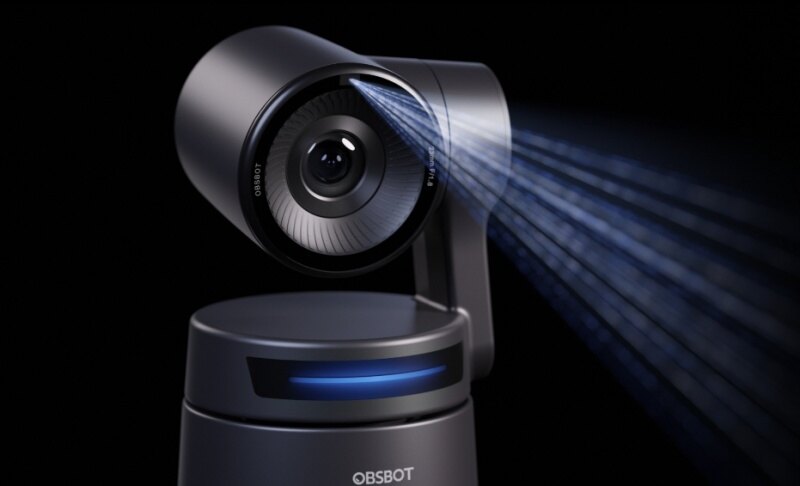
The OBSBOT Tail 2 combines 4K video with AI tracking, Auto Zoom, voice control, and gesture control. For a real-world video test, it is worth comparing not just image quality but also how much time you spend keeping yourself framed, adjusting focus, and managing the camera.
Key features of OBSBOT Tail 2:
- AI tracking: Keeps you framed while you move between phone, tablet, controller, and mixer.
- 4K 60fps video: Helps your performance clips look sharper on YouTube, TikTok, Instagram, or livestreams.
- Optical zoom: Lets you capture full setup shots or tighter hand-movement angles.
- Low-light support: Helps with darker rooms, LED lighting, and small home-studio setups.
- Pro connections: HDMI, SDI, Ethernet, USB, NDI, RTMP, RTSP, and SRT give you room to grow beyond a simple phone recording.
FAQs on Mirrorless Camera vs DSLR
Is a mirrorless camera better than DSLR?
For most people buying a new camera today, mirrorless is the better choice. Current mirrorless systems generally offer newer autofocus, easier exposure previews, and stronger video features. However, DSLRs can still be a good option if you are buying used, prefer an optical viewfinder, or already own compatible DSLR lenses.
Is mirrorless better for beginners?
Often, yes. An electronic viewfinder can show exposure changes before you take a picture, while modern autofocus systems can automatically recognize and track subjects. Compact models such as the Canon EOS R50 also make it easier to carry the camera regularly.
Should I switch from DSLR to mirrorless?
Switch if the benefits solve a real problem for you. Mirrorless is particularly attractive if you want better subject tracking, lighter equipment, stronger video capabilities, or newer lenses. But if your current DSLR already produces the images you need and you own several lenses, there is no need to upgrade simply because mirrorless is newer. Consider the cost of replacing or adapting your existing lenses before switching.
Conclusion
When comparing mirrorless vs DSLR, there is no one-size-fits-all answer. Mirrorless is the better choice for most new buyers, while DSLR still makes sense for budget-conscious users or existing lens owners. Choose the system that best fits your shooting style, budget, and future needs.