Best NDI PTZ Cameras for Live Streaming in 2026: 7 Models Compared
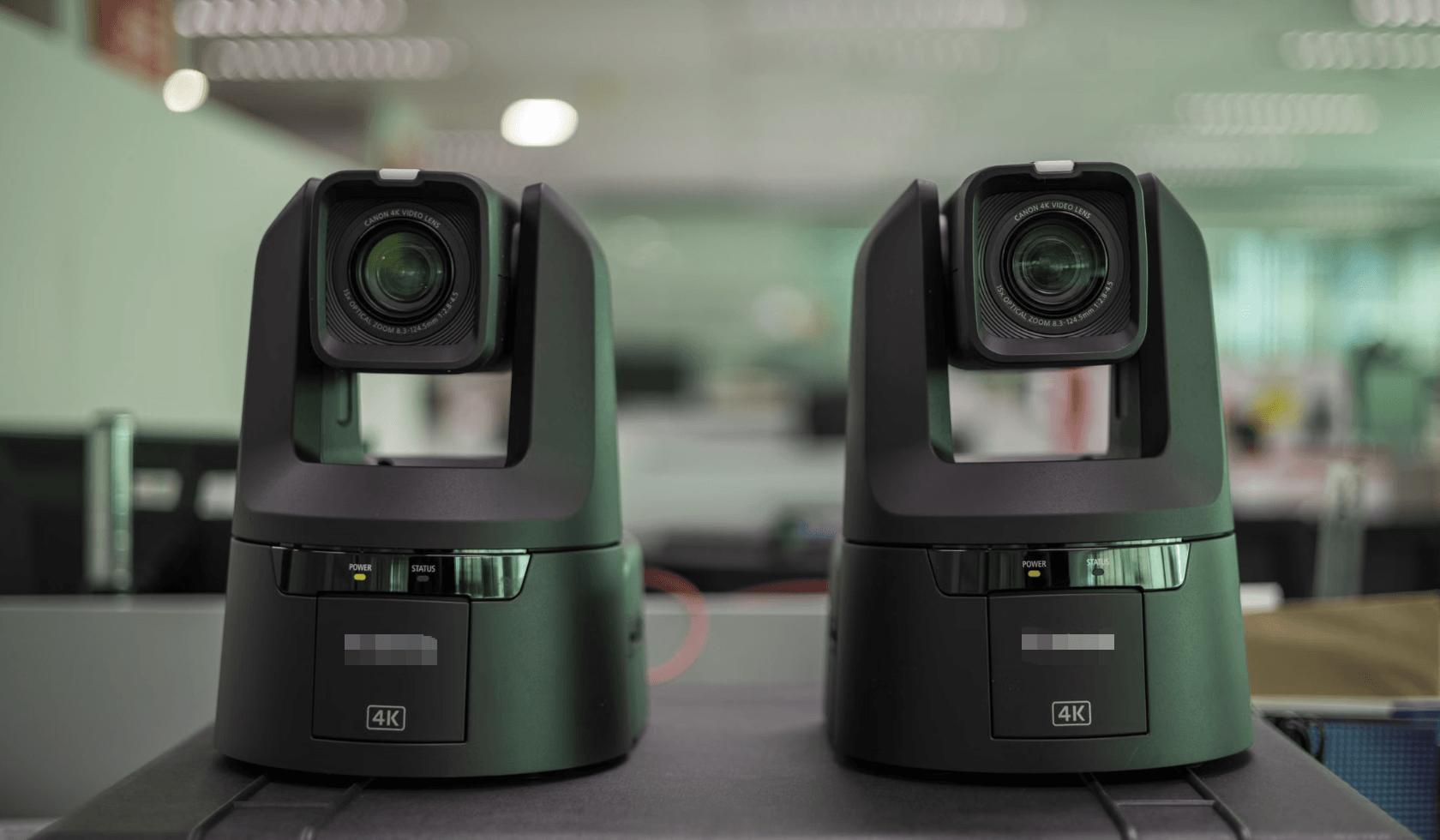
A good NDI PTZ camera should fit your room before it fits your wish list. A compact creator studio may benefit more from smart tracking and flexible mounting, while a sanctuary or auditorium needs optical reach, reliable control, and a network built for several simultaneous feeds. This guide compares seven of the best NDI PTZ cameras for live streaming in 2026 so you can choose by budget, venue, and production needs.
7 Best NDI PTZ Cameras Compared
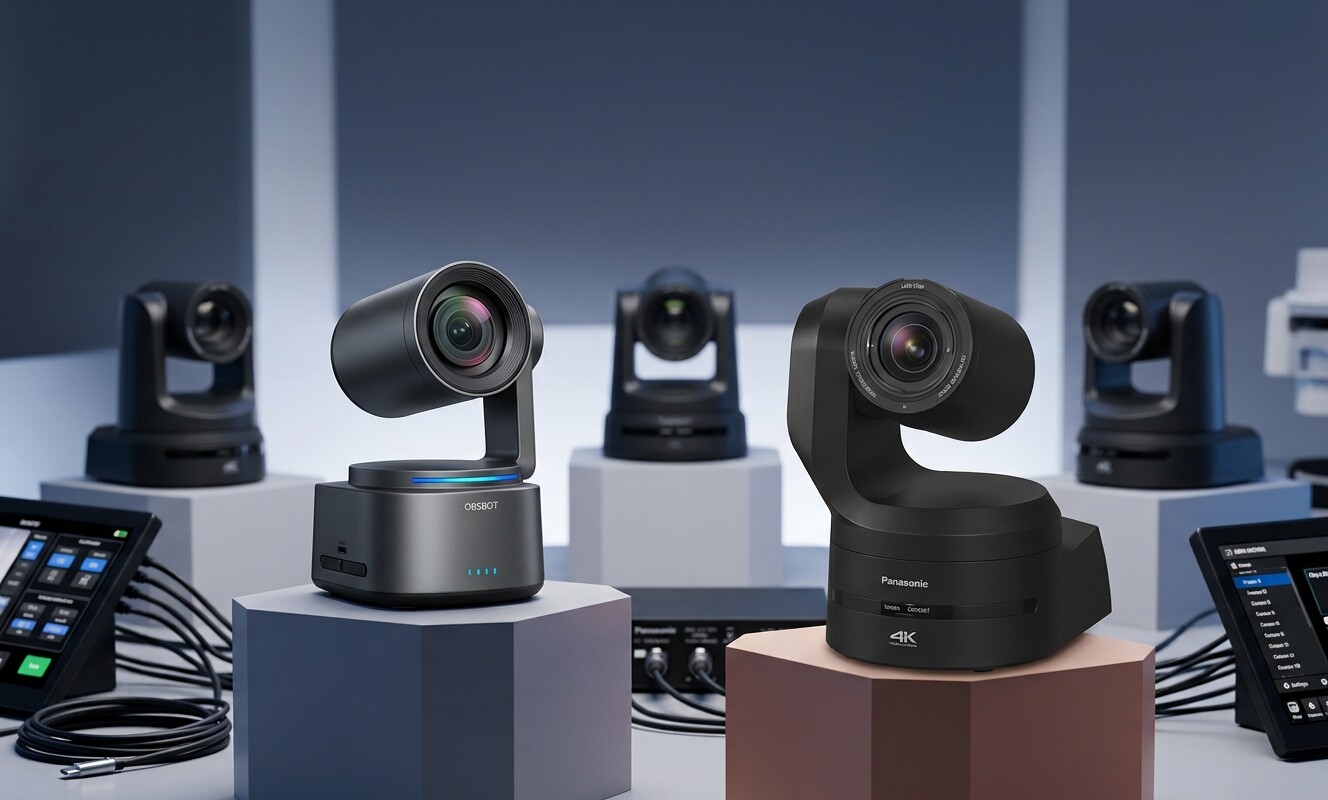
OBSBOT Tail 2 is our first pick for creators and small production teams that want 4K60, AI tracking, multiple professional outputs, and vertical video without cropping. PTZOptics Move 4K is the stronger choice when long optical reach matters, while Panasonic AW-UE100 is built for high-end studios that specifically need High Bandwidth NDI.
An NDI PTZ camera combines remote pan, tilt, and zoom with video-over-IP transport. Depending on the model, the network can also carry audio, tally, control, and power. If you need a short refresher before comparing products, read our guide to what an NDI camera is and how it works.
| Product | Max Video | Optical Zoom | NDI Format | Best For | Price (Only for reference) |
|---|---|---|---|---|---|
| OBSBOT Tail 2 | 4K60 | 5x |
NDI HX3
|
Creators and dynamic events | $1,199 |
| PTZOptics Move 4K 20X | 4K60 | 20x | NDI HX3 | Large rooms and stages | $2,349 |
| OBSBOT Tail Air | 4K30 | None | NDI HX3 | Budget and portable streams | $499 |
| BirdDog X4 Ultra | 4K60 | 20x | NDI HX3 | Wireless and mobile production | $1,995 |
| Canon CR-N300 | 4K30 | 20x | NDI HX2 | Corporate and education | $2,699 |
| Lumens VC-TR61N | 4K60 | 30x | NDI HX3 / HX2 | Lecture capture and worship | from $2830 to $3115 |
| Panasonic AW-UE100 | 4K60 | 24x | High Bandwidth / HX2 | Broadcast and premium studios | $6,799 |
1. Best Overall for Flexible Live Production: OBSBOT Tail 2
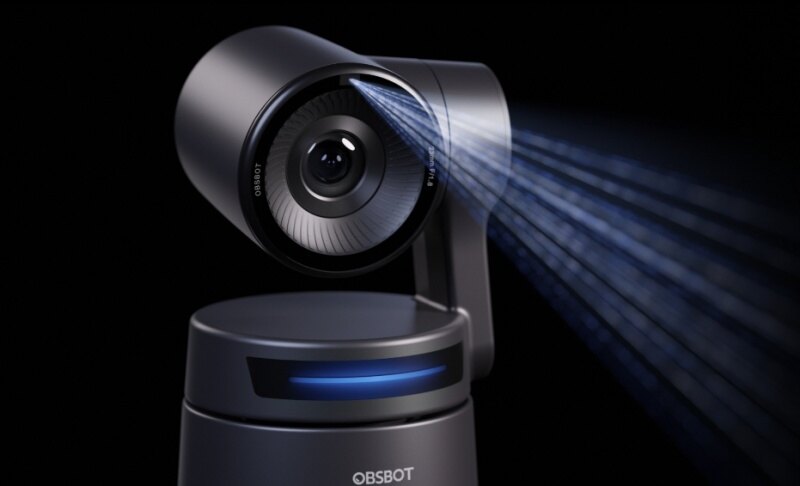
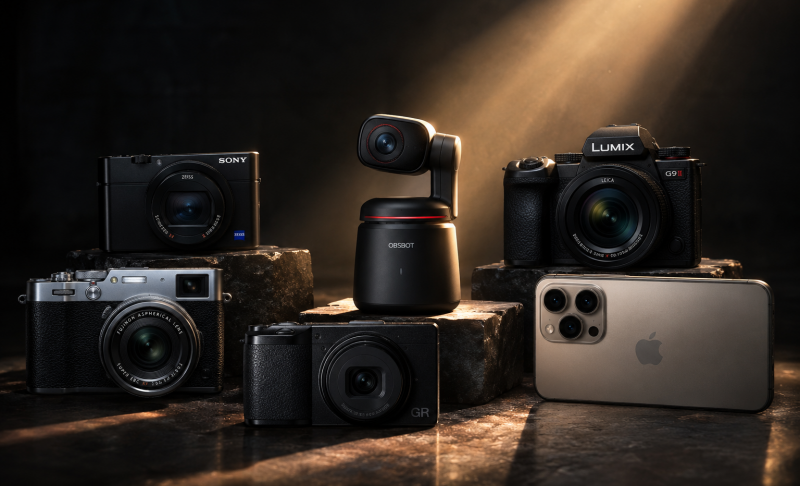
The standout feature is its PTZR design. OBSBOT Tail 2 can rotate the lens for native vertical 4K capture, which is useful when one production needs both widescreen streams and social-first vertical content. It also combines tracking with the ports required for serious live work.
Price: $1,199, only for reference. Confirm whether the selected package is NDI activated or requires a separate license.
Best for: Creator studios, live events, music performances, worship, product demos, and small teams that need hands-free subject tracking.
Key Features:
- 4K60 capture: A 1/1.5-inch CMOS sensor supports detailed motion and gives the camera more room for challenging stage light.
- 5x optical zoom: It covers small and medium spaces without relying only on digital cropping.
- Native PTZR movement: The rotating lens switches between landscape and portrait framing without cutting away resolution.
- AI Tracking 2.0: Person, group, animal, and object modes reduce the need for a dedicated operator.
- Production-ready connections: NDI, Ethernet with PoE+, HDMI 2.0, 3G-SDI, USB 3.0, RS-232, and audio inputs support hybrid IP and baseband rigs.
Tradeoff: The 5x optical zoom is less suitable than a 20x or 30x camera for a rear-wall position in a large auditorium.
2. Best for Large Venues: PTZOptics Move 4K 20X
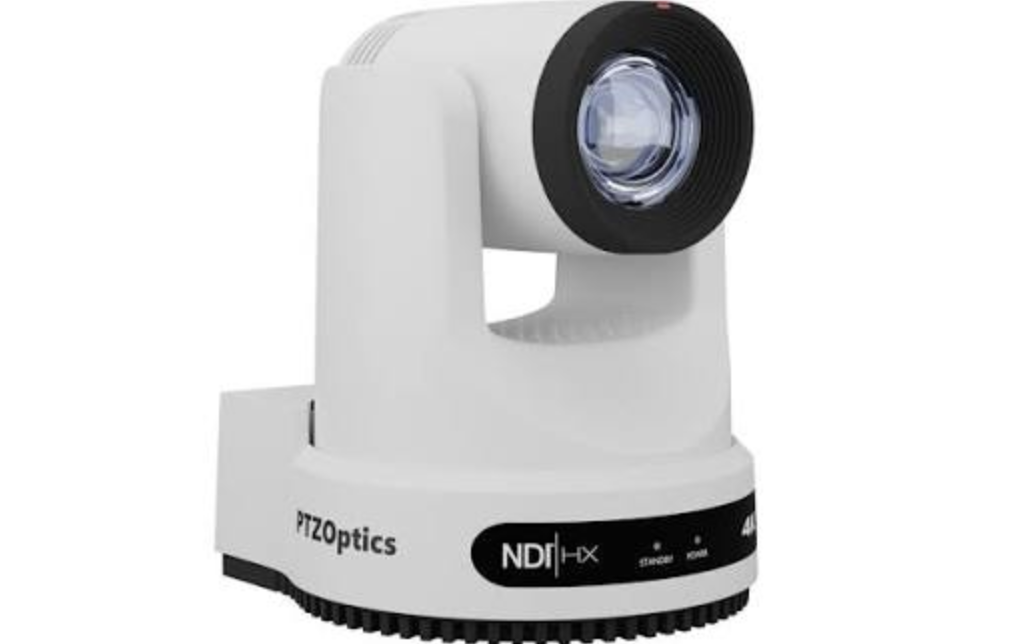
Its flexible zoom lineup makes room planning easier. The Move 4K family comes in 12x, 20x, and 30x versions, so you can match lens reach to a conference room, sanctuary, or auditorium without changing the rest of the workflow.
Price: $2,349, only for reference, for the linked 20x model.
Best for: Churches, lecture halls, theaters, corporate stages, and productions that need long-range presenter tracking.
- UHD 4K60 output over HDMI and IP, with 1080p60 through 3G-SDI.
- Native NDI HX3 plus HDMI, SDI, USB, SRT, RTMP, and RTSP paths.
- Presenter-Lock auto-tracking helps a small crew cover moving speakers.
- PoE+ and browser-based Horizon control simplify fixed installations.
Tradeoff: The 3G-SDI output is limited to HD. Choose this model for its NDI/IP and HDMI 4K strengths, or plan around 1080p if SDI is your main path.
3. Best Budget NDI PTZ Camera: OBSBOT Tail Air
OBSBOT Tail Air offers the lowest entry cost in this comparison. Its compact design, 4K30 video, wireless options, and AI tracking make it a practical starting point for solo creators or portable multi-camera work.
Price: $499. Budget separately for NDI activation and a USB-C Ethernet adapter if your package does not include them.
Best for: Home studios, podcasts, cooking streams, interviews, small worship spaces, and pop-up productions.
- NDI HX3 support for network-based streaming after activation.
- 4K30 and 1080p60 capture from a 1/1.8-inch CMOS sensor.
- AI tracking for people, pets, and objects.
- Micro HDMI, USB-C, Wi-Fi, RTMP, RTSP, VISCA, and optional wired Ethernet.
Tradeoff: OBSBOT Tail Air has no optical zoom, so it works best near the subject. Licensing and the Ethernet adapter can also narrow its price advantage in a wired NDI deployment.
4. Best for Portable Wireless Production: BirdDog X4 Ultra
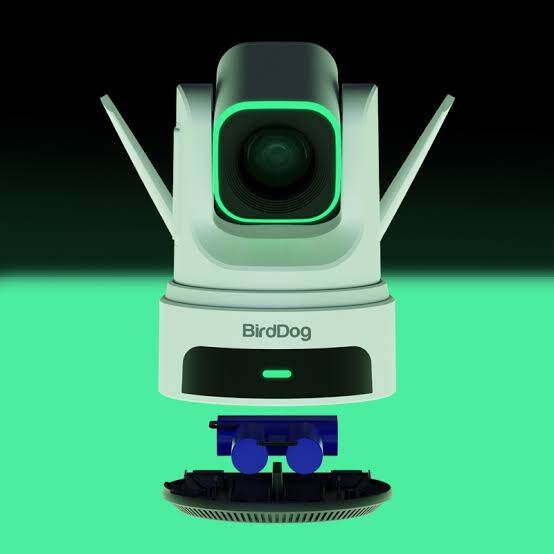
The X4 Ultra combines 20x optical reach with mobility. Wi-Fi 6 and a built-in battery let you deploy the camera where power or cabling is inconvenient, while NDI HX3 keeps it connected to an IP production.
Price: $1,995, only for reference.
Best for: Event teams, temporary venues, remote productions, and operators who need a camera that can move between rooms.
- 4K60 imaging with a 1/1.8-inch CMOS sensor and 20x optical zoom.
- NDI HX3, HDMI, 3G-SDI, USB-C, RTMP, and SRT support.
- AI auto-framing and zone-based tracking.
- Wi-Fi 6, PoE+, USB-C power, and up to six hours of battery operation.
Tradeoff: Wireless flexibility is valuable, but a busy venue's Wi-Fi is still a risk for a critical show. Use wired Ethernet when reliability matters more than fast placement.
5. Best for Corporate and Education Video: Canon CR-N300
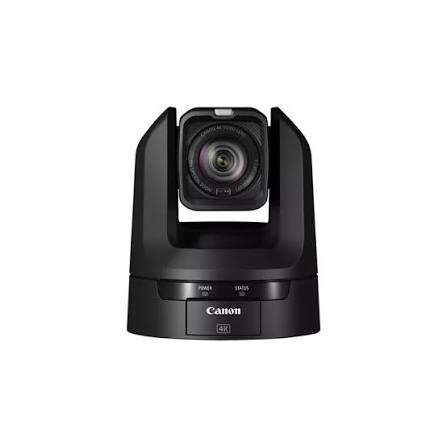
Canon's 20x lens is the reason to choose this model. It gives lecture halls and corporate rooms a useful balance between a wide establishing shot and a clean speaker close-up, while Canon's color processing fits mixed-camera productions.
Price: $2,699.
Best for: University lecture capture, corporate town halls, conference rooms, and fixed AV installations.
- 4K30 and Full HD 60p output with a 1/2.3-inch CMOS sensor.
- 20x optical zoom with optical image stabilization.
- Built-in NDI HX2 and SRT support.
- 3G-SDI, HDMI, IP, USB, PoE+, and Auto Tracking Lite.
Tradeoff: The CR-N300 does not deliver 4K60, and its NDI path is HX2 rather than HX3 or High Bandwidth NDI. Those limits matter if fast motion or a newer HX3 workflow is central to your build.
6. Best for Lecture Capture and Houses of Worship: Lumens VC-TR61N
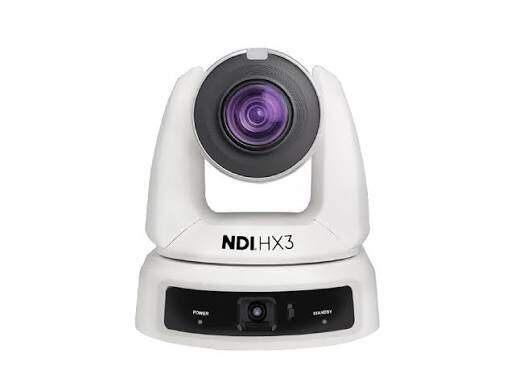
A second panoramic camera gives this model a tracking advantage. The wide sensor helps the system locate a presenter while the main PTZ camera uses its 30x lens for the program shot. Both views can feed an NDI workflow.
Price: from $2830 to $3115.
Best for: Lecture halls, training rooms, churches, and stages where a presenter moves across a defined area.
- 4K60 output and 30x optical zoom for long rooms.
- NDI HX3 and HX2 with dual independent IP outputs.
- Stage, everywhere, and partition tracking modes.
- HDMI, Ethernet, 3G-SDI, USB, line input, and PoE+.
Tradeoff: It is a more specialized tracking system than a compact creator camera. Plan the installation carefully and confirm that your switcher or software can use both NDI streams the way you expect.
7. Best for Broadcast-Grade NDI: Panasonic AW-UE100
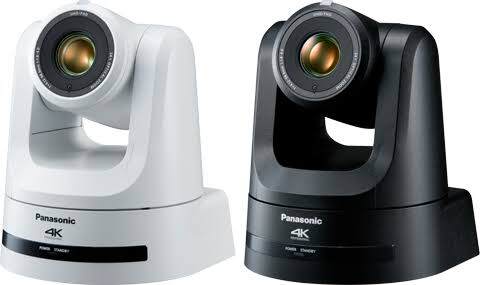
High Bandwidth NDI separates the AW-UE100 from the compressed-HX options. It is designed for premium studios and live productions where low latency, 4K60, professional control, and a 12G-SDI fallback justify the higher cost.
Price: $6,799.
Best for: Broadcast studios, sports, major events, rental production, and high-end corporate facilities.
- 4K60 capture from a 1/2.5-inch MOS sensor.
- 24x optical zoom with a 74.1-degree horizontal field of view.
- High Bandwidth NDI and NDI HX2 support.
- 12G-SDI, HDMI, SRT, FreeD, and PoE++ integration.
Tradeoff: The price and network demand are much higher than an HX3 creator setup. Its NDI HX2 mode does not output 4K, so 4K-over-NDI buyers should plan for the High Bandwidth stream.
How to Choose an NDI PTZ Camera
Choose from the room backward. Camera placement, subject distance, available light, network capacity, and staffing should determine the model before brand preference does.
Set a complete budget, not a camera-only budget
Add the cost of NDI licenses, a PoE or PoE++ switch, controller, mounts, cabling, audio, and any SDI or HDMI backup path. Tail Air is the lowest-priced camera here, but required accessories can close part of the gap. At the other end, AW-UE100 costs more because it targets a different production class.
Match optical zoom to venue depth
Five times optical zoom is useful in a studio or small stage. Twenty times is a safer middle ground for classrooms and worship spaces. Thirty times is designed for deep rooms where the camera may sit far behind the audience. A larger zoom number is not automatically better; very long lenses demand stable mounting and careful control.
Choose the NDI format your network and switcher support
NDI HX2 uses relatively compressed streams and can fit bandwidth-conscious installations. NDI HX3 offers a stronger balance of quality, latency, and bandwidth for many new live-streaming systems. High Bandwidth NDI is the premium path for low-latency production, but several 4K sources can place heavy demands on the network.
Check every receiving device before buying. A camera's NDI format must be supported by your switcher, software, multiview, recorder, and monitoring plan—not just by the network switch.
Decide whether tracking or operator control matters more
A solo presenter benefits from reliable auto-tracking. A staffed concert or sports production may care more about smooth joystick movement, preset recall, and repeatable manual shots. Tail 2 and Tail Air favor intelligent solo operation, while Lumens VC-TR61N and Move 4K extend tracking into larger presentation spaces.
Keep a fallback output for important productions
HDMI or SDI can keep a show running during network maintenance or troubleshooting. If that fallback matters, verify its maximum resolution. Move 4K and Lumens VC-TR61N provide 4K through some outputs but limit 3G-SDI to 1080p; Panasonic's 12G-SDI path supports a higher-end baseband workflow.
🔔 Important:
"NDI compatible" does not tell you whether a camera uses HX2, HX3, or High Bandwidth NDI—or whether activation costs extra. Verify the exact format and license status for every SKU before purchase.
Which Camera Fits Your Live Streaming Setup?
You can start with how your live streaming setup is built. Use these rules when several cameras still seem similar:
- Choose OBSBOT Tail 2 if your setup is built around one person running the stream, camera, and switching workflow. It suits flexible 4K60 productions that need tracking, multiple connection options, and vertical output without adding extra gear.
- Choose PTZOptics Move 4K if your setup uses permanently installed cameras in a large room, church, or venue, where long optical reach matters more than moving the camera between locations.
- Choose OBSBOT Tail Air if you are building a compact, lower-cost streaming setup with short camera-to-subject distances and can plan for any required NDI add-on costs.
- Choose BirdDog X4 Ultra if your setup is temporary or frequently relocated, especially when battery power, Wi-Fi 6, and 20x zoom reduce cabling and setup time..
- Choose Canon CR-N300 if your organization already has a structured corporate, education, or AV workflow and needs reliable 20x coverage, Canon color, and efficient HX2 delivery.
- Choose Lumens VC-TR61N if your setup centers on a fixed classroom, lecture hall, or stage where the camera must follow a speaker from a long distance.
- Choose Panasonic AW-UE100 if you are building a permanent broadcast-level system with High Bandwidth NDI, 12G-SDI infrastructure, and budget for professional integration.
FAQs About NDI PTZ Cameras
Do all NDI PTZ cameras include an NDI license?
No. Some cameras include NDI in the base price, while others require an activated edition or a separate license. Check the exact SKU because two cameras with the same model name may be sold with different NDI activation states.
Is NDI HX3 better than NDI HX2?
HX3 generally targets a better quality-and-latency balance, while HX2 can use less bandwidth. The better choice is the format your network can carry reliably and your receiving hardware or software supports end to end.
How much optical zoom do I need for a church or auditorium?
Small rooms may work with 5x to 12x optical zoom. Medium and large venues often benefit from 20x or 30x, especially when the camera is mounted at the back of the room. Use a field-of-view calculator with the real mounting distance before ordering.
Can an NDI PTZ camera stream directly without a computer?
Some models can stream through protocols such as RTMP or SRT without a conventional computer-based production setup. NDI itself still needs a compatible receiver, switcher, encoder, or software destination somewhere on the network.
Can I mix HX2, HX3, and High Bandwidth NDI cameras?
Yes, if your receiving platform supports every format and your network has enough capacity. Test the full combination before an event because decode load, latency, and bandwidth can differ between camera streams.
Conclusion
The best NDI PTZ camera is the model that fits your subject distance, network, crew size, and fallback plan. OBSBOT Tail 2 earns the first position for flexible 4K60 production and intelligent tracking, while Move 4K, Lumens VC-TR61N, and Panasonic AW-UE100 address progressively larger or more specialized venues. Price the whole system, verify the NDI edition, and test one camera on your real network before scaling.