10 Best Cameras for Dance Videos in 2026: Stage, Studio & Street

Recording a dance class, a stage performance, and a street dance video calls for different equipment. A camera may keep one dancer centered but struggle to show an entire group. Another may look good in a dark theater yet require a separate lens and someone behind it.
This guide compares ten dance cameras by filming position, lighting, movement, and budget. It also separates video-first choices from cameras that make more sense when dance photography is part of the job.
Part 1: Which Camera Is Your Pick? A Quick Comparison
Start with where the camera will be placed and whether someone can operate it. Resolution matters, but a clear view of the full routine, reliable focus, and enough reach often matter more.
| Camera | Resolution | Price | Best for |
|---|---|---|---|
| OBSBOT Tail 2 | Up to 4K60 | About $1,199 | Recording one dancer from a fixed position without a camera operator |
| Canon EOS R50 V | 4K30; cropped 4K60 | About $620–$720, body only | Beginner studio videos with a controlled camera position |
| Sony A7S III | Up to 4K120 | About $4,000, body only | Operator-led video on dim stages |
| Panasonic Lumix GH7 | Up to 5.7K60 | About $1,900–$2,200, body only | Longer performances and production-focused video |
| Sony A7R V | 61MP photos; up to 8K video | About $3,500–$3,800, body only | High-resolution dance photography with occasional video |
| Fujifilm X-H2S | 26MP photos; up to 6.2K30 video | About $2,900, body only | Fast dance photography and video in one system |
| Canon XA70 | Up to 4K30 | About $2,700, built-in lens | Recording a full recital from an audience position |
| Canon EOS R6 Mark II | 24MP photos; up to 4K60 video | About $2,000–$2,300, body only | Dance events requiring both video and photos |
| GoPro HERO12 Black | Up to 5.3K60 | About $350 | Daylight street dance, wide shots, and unusual camera angles |
| DJI Osmo Pocket 3 | Up to 4K120 in slow-motion mode | About $439 | Handheld dance videos and moving behind-the-scenes shots |
For interchangeable-lens cameras, allow for the lens as well as the body. A distant recital seat may call for a telephoto lens; a small studio needs a wide enough view to keep hands, feet, and floor work in frame.
Part 2: 10 Best Dance Cameras
Best Cameras for Recording Dance Videos
1. OBSBOT Tail 2
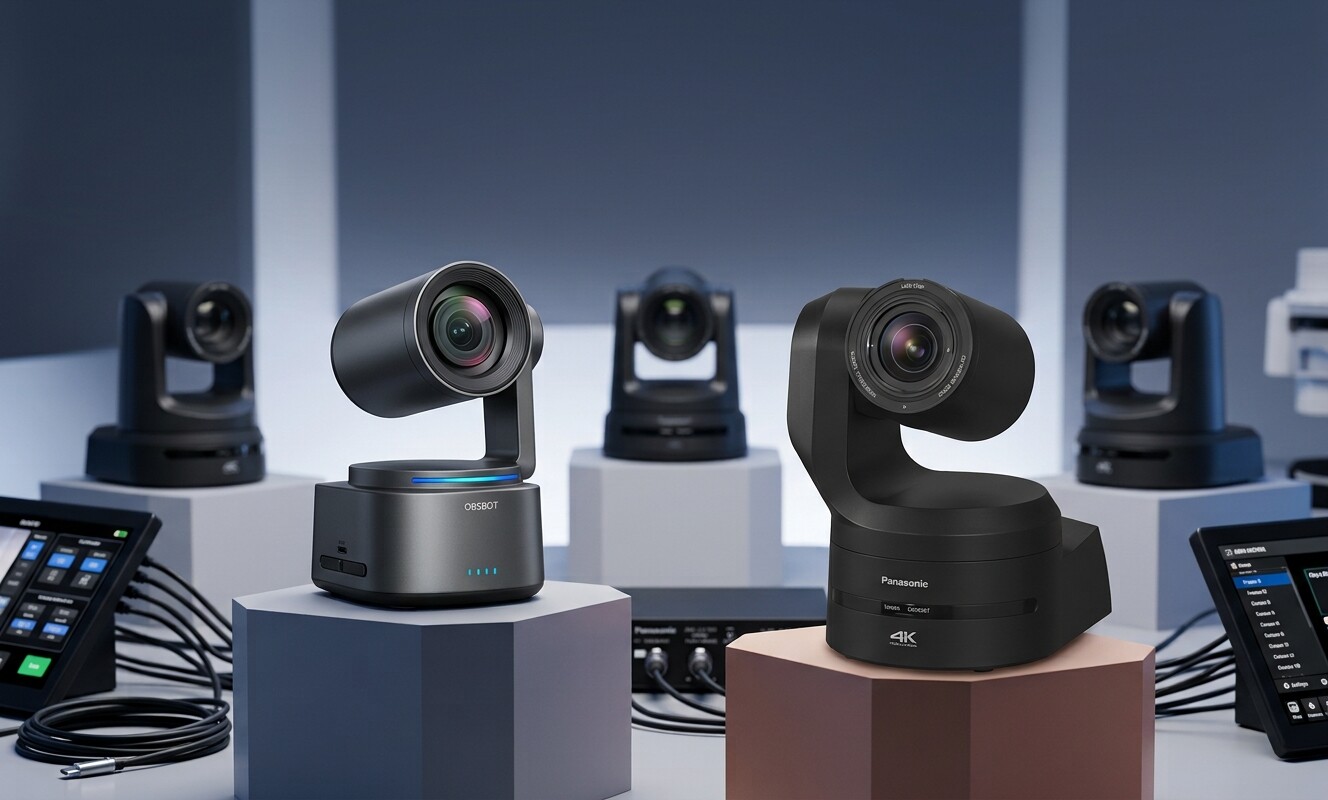
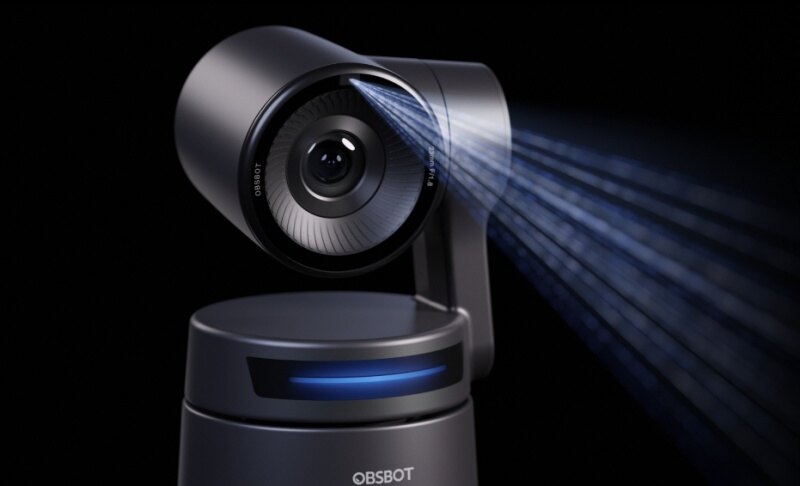
The OBSBOT Tail 2 is a 4K60 camera with AI tracking, a 1/1.5-inch sensor, and 5× optical zoom. Set it on a stable mount in a studio and it can follow a selected dancer as they move, reducing the need to stop a rehearsal and reframe the shot.
- Where it helps: Solo dancers, instructors, and creators can record from a fixed position without asking another person to operate the camera. Its zoom also gives more framing flexibility than a fixed wide-angle camera.
- Before you buy: Leave enough space around the dancer for jumps and floor work. For a group routine, a locked wide shot may show the choreography better than following one performer. Its battery supports up to 3 hours and 40 minutes of continuous shooting.
Tail 2 is a strong camera for dance videos when the practical problem is keeping one moving performer in frame while filming alone.
2. Canon EOS R50 V
The EOS R50 V gives beginners an APS-C interchangeable-lens camera built around video. It records 4K30 without the tighter 4K60 crop, and its screen and video controls make it approachable for planned studio recordings.
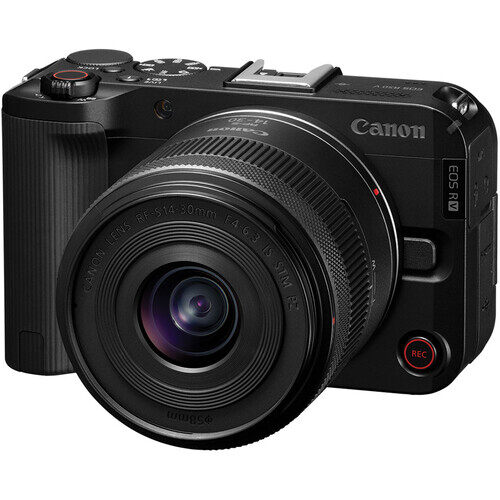
- Where it helps: Put it on a tripod, frame the whole practice area, and record classes, auditions, or choreography videos with a consistent view. Changing lenses gives you room to adapt as your filming improves.
- Before you buy: The body price does not include a lens. If you choose cropped 4K60 in a small room, you may need a wider lens or more distance from the dancers. Try an RF-S 10–18mm zoom. A brighter lens is also a more useful upgrade for a dim studio than choosing 60fps by default.
This is the budget-conscious pick for someone who wants to learn video filming and build a camera system over time, rather than rely on automatic camera movement.
3. Sony A7S III
The Sony A7S III is a full-frame video camera that records up to 4K120. Its strength in dance videography is working with moving subjects when stage lighting is limited. Slow motion is available when you want to show a turn or jump in detail.

- Where it helps: A videographer can follow a soloist, change framing during a performance, and retain more usable detail in dark scenes than they would with a small-sensor action camera.
- Before you buy: Budget for a suitable lens and an operator. Allow $700–$3,000 beyond the body for one shoot. From beside the stage, a standard zoom may work; from the back of an auditorium, you will need more reach. High-frame-rate slow motion also needs more light, so it is not the default setting for a dark recital.
Choose it when low-light video is the priority and you can manage the camera during the performance. Its 12.1MP stills are less flexible for heavy photo cropping than the dedicated photography choices below.
4. Panasonic Lumix GH7
The Lumix GH7 is a video-focused Micro Four Thirds camera with 5.7K60 recording, phase-detection autofocus, and a cooling design built for extended shooting. Compared with the GH6 it replaces here, its autofocus makes more sense for dancers repeatedly crossing the frame.
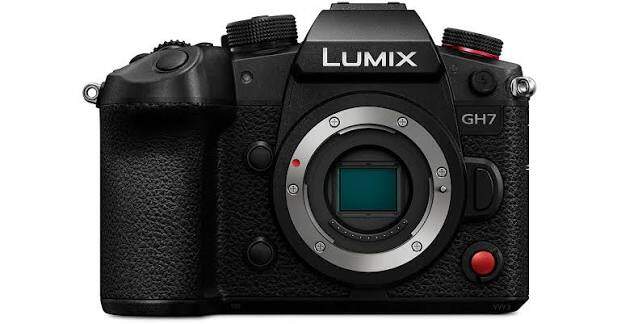
- Where it helps: Record a rehearsal or performance in longer takes, then crop the higher-resolution footage for shorter clips. Its video controls also suit a small production team working with separate audio.
- Before you buy: Add a lens, suitable recording media, and support to the body price. Allow roughly $700–$2,000 extra. The GH7 is most rewarding when someone can set exposure and framing for the room; buyers who only want to place a camera down and dance may prefer a simpler setup.
For long-form dance videography, its practical advantage is the combination of continuous recording and stronger subject focus, rather than resolution alone.
Best Cameras for Dance Photography
5. Sony A7R V
The Sony A7R V pairs a 61MP full-frame sensor with subject-recognition autofocus. It belongs on this list for photographers who need detailed images of expressions, costumes, and formations, while also recording some video.

- Where it helps: The resolution gives you room to crop a dancer photographed from farther away, or deliver both wide and tighter images from the same frame.
- Before you buy: A fast lens matters more than the 61MP figure on a dark stage. The files also take more storage and editing time. If almost all your work is video, the A7S III or GH7 is a more focused purchase.
6. Fujifilm X-H2S
The Fujifilm X-H2S combines a 26MP stacked APS-C sensor, fast burst shooting, 6.2K30 video, and 4K120. It fits photographers who also deliver rehearsal clips or slow-motion dance footage.

- Where it helps: Fast shooting can catch the peak of a leap, while its video modes let the same operator capture moving footage between photo sequences.
- Before you buy: Allow for a lens with enough reach and light-gathering ability. On stages with LED lighting, check your shutter choice during rehearsal before relying on the fastest electronic burst mode.
Pick it over a photo-only setup when both stills and video are regular deliverables.
Best Cameras for Dance Recitals
7. Canon XA70
The Canon XA70 is a dedicated camcorder with a 1-inch sensor, built-in 15× optical zoom, 4K30 recording, dual SD card slots, and XLR audio inputs. Its strongest use is filming a complete recital from a fixed position.
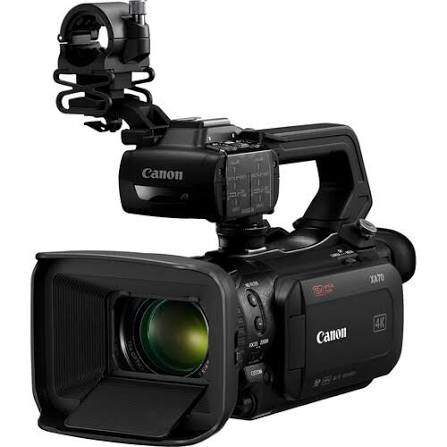
- Where it helps: From an audience seat or the rear of a venue, you can move between a full-stage view and a closer view without buying or changing lenses. The card and audio options are useful when the performance cannot be repeated.
- Before you buy: Put it on a stable tripod and plan power, storage, and a sound feed if music quality matters. Its 4K recording tops out at 30fps; a full-frame camera with a fast lens is the stronger route when a very dark stage is your main concern.
The XA70 is the practical choice when reach and uninterrupted coverage of the routine matter more than interchangeable lenses or high-frame-rate slow motion.
8. Canon EOS R6 Mark II
The EOS R6 Mark II is a 24MP full-frame camera that records up to 4K60 video oversampled from 6K. It makes sense for a dance school or event photographer who must film performances and deliver still photos from the same event.

- Where it helps: Full-frame image quality and subject autofocus are useful when performers move between bright stage spots and darker areas. Dual card slots offer a straightforward backup option for important work.
- Before you buy: Its versatility depends on your lenses. A wide view from near the stage and a close view from the audience may require different focal lengths. Include lenses, batteries, and a tripod in the working budget.
Choose it when neither the photo assignment nor the video assignment is secondary.
Best Cameras for Street Dance and Handheld Videos
9. GoPro HERO12 Black
The GoPro HERO12 Black records up to 5.3K60, with stabilization and flexible mounting for low angles, moving shots, and outdoor choreography. Its wide view can make nearby footwork and group movement feel energetic.

- Where it helps: Mount it near the floor, take it outdoors, or use it as a second angle while another camera records the full routine.
- Before you buy: Its very wide view makes distant dancers look small, and dark stages are a poor match. Add a mount and microSD card. GoPro rates continuous 5.3K60 recording at about 70 minutes under its stated test conditions, so carry a power plan for longer sessions.
This is a useful street dance or secondary-angle camera, rather than the camera to place at the back of a theater.
10. DJI Osmo Pocket 3
The DJI Osmo Pocket 3 combines a 1-inch sensor with a three-axis gimbal and subject tracking. It is small enough to carry through a rehearsal or move alongside a dancer while recording. Its 4K120 option is for slow-motion shooting.

- Where it helps: Handheld follow shots, dance vlogs, backstage clips, and short vertical videos need less setup than a larger camera and separate stabilizer.
- Before you buy: It has no interchangeable telephoto lens, so it cannot give you a close stage view from a distant seat. For a full routine, check that the dancer stays within the frame instead of assuming handheld tracking will cover every move.
Choose it for moving with the performance; choose a fixed-position camera when the priority is documenting every step of the choreography.
Part 3: Best Camera Settings for Dance Performances
Start with the shot you need to deliver. A full routine needs the dancer's hands and feet visible throughout; a highlight video can use tighter framing and changes of angle.
- For well-lit dance videos: Start at 4K60 with a shutter speed around 1/120 second. This gives fast movement a smooth, natural look and leaves room for moderate slow motion.
- For dim stages: Try 4K30 around 1/60 second when 60fps makes the image too dark. Keep exposure on faces and accept some motion blur rather than turning the entire performance into a noisy, underexposed video.
- For dance photos: Start around 1/500 second to freeze movement. Faster leaps may need 1/800 second or more, which also calls for sufficient stage light or a wider lens aperture.
- For a full recital: Frame slightly wider than you think you need, lock white balance once you see the stage lighting, and check the focus, recording media, power, and audio before the performance starts.
Part 4: FAQs About Dance Cameras
1. What is the best camera for dance videos?
It depends on how you film. The OBSBOT Tail 2 suits a solo dancer recording from a fixed position without an operator. The Canon EOS R50 V offers an accessible interchangeable-lens starting point. Choose the Sony A7S III for operator-led low-light video, or the Canon XA70 when filming a complete recital from farther back.
2. What lens should I use for a dance performance?
A 24–70mm f/2.8 lens is a useful starting point when you can shoot close to the stage. From farther back, a 70–200mm f/2.8 gives more reach. Before choosing a lens, check whether you need to show one dancer or the entire formation; zooming in too far can cut off hands, feet, or other performers.
3. What camera settings do I need for dancing?
For video, begin with 4K30 or 4K60, continuous subject autofocus, and a shutter speed around double the frame rate. Use 60fps when the light supports it; 30fps is often easier to expose on a dim stage. For photos, use continuous autofocus and a faster shutter to freeze movement.
4. What shutter speed should I use to photograph a dancer?
Start around 1/500 second for sharp action photos. Move toward 1/800 second or faster for quick jumps and turns, or slow it deliberately when you want visible motion in arms and fabric.
Conclusion
The best camera for dance videos depends on the part of the performance you cannot afford to miss. Start with the distance to the dancer, the available light, the length of the recording, and whether someone can operate the camera. Then compare the lens, power, audio, and support needed to make the listed camera work in that setting.