When Was Camera Discovered? Camera History Timeline

People often ask when the camera was discovered, but the better question is which camera milestone they mean. The camera began as an optical projection idea, became a photographic tool in the 1800s, and later evolved into consumer film cameras and digital imaging.
This guide gives you the clearest answer first, then explains the main dates' meaning.
The Best Date to Remember
If you mean the first camera image that could be permanently saved, the best answer is 1826 or 1827. That is when Joseph Nicéphore Niépce made the oldest surviving photograph from a camera.
This date matters because it marks the shift from simply projecting an image to actually preserving one. Before that, camera-like devices could show a scene, but they could not turn that scene into a lasting photograph.
Simple answer: The camera as a photographic tool began around 1826 or 1827. Earlier camera obscura devices existed before then, but they did not take photographs.
How the Camera Became a Photo Tool
The earliest camera-like device was the camera obscura. It used light passing through a small opening to project an outside scene inside a dark space. The image was real, but temporary.
For centuries, that made the camera obscura useful for artists, scientists, and anyone studying light or perspective. It helped people understand how images could be formed, but it could not record what it showed.
The breakthrough came when inventors paired optical projection with light-sensitive materials. Niépce's early work was slow and technically difficult, but it proved that a camera image could remain after the moment had passed.
From there, camera development moved in a practical direction: shorter exposure times, clearer images, easier handling, portable bodies, roll film, and eventually electronic sensors. Each improvement made cameras more useful to more people.
Camera History Timeline
| Milestone | Date | What Changed | Why It Matters |
|---|---|---|---|
| Camera obscura | Ancient origins | Light could project an outside scene inside a dark space. | It created the optical foundation of the camera. |
| Early photo experiments | 1816 | Niépce tested ways to record camera images with light-sensitive materials. | The camera began moving from projection to image capture. |
| First surviving photograph | 1826 or 1827 | A real-world scene was permanently captured through a camera. | This is the strongest date for the birth of photography. |
| Public photography | 1839 | Photography became more practical and widely recognized. | The camera moved beyond private experimentation. |
| Consumer film camera | 1888 | Roll-film cameras made photography simpler for everyday users. | Cameras became more accessible outside studios. |
| Digital camera prototype | 1975 | Images could be recorded electronically instead of on film. | This started the path toward modern digital cameras. |
Which Camera Date Should You Use?
The right date depends on the type of answer you need. A school report, a trivia answer, and a history article may not use the same year.
- Use 1826 or 1827 if you want the clearest answer for when photography began.
- Use 1839 if you are talking about photography becoming public and practical.
- Use 1888 if you are focusing on cameras becoming easier for ordinary people to use.
- Use 1975 if the question is specifically about digital camera history.
For the keyword when was camera discovered, the most direct answer is still 1826 or 1827. Other dates are important, but they describe later stages in how cameras became practical, popular, or digital.
From Early Cameras to Smart Production Cameras
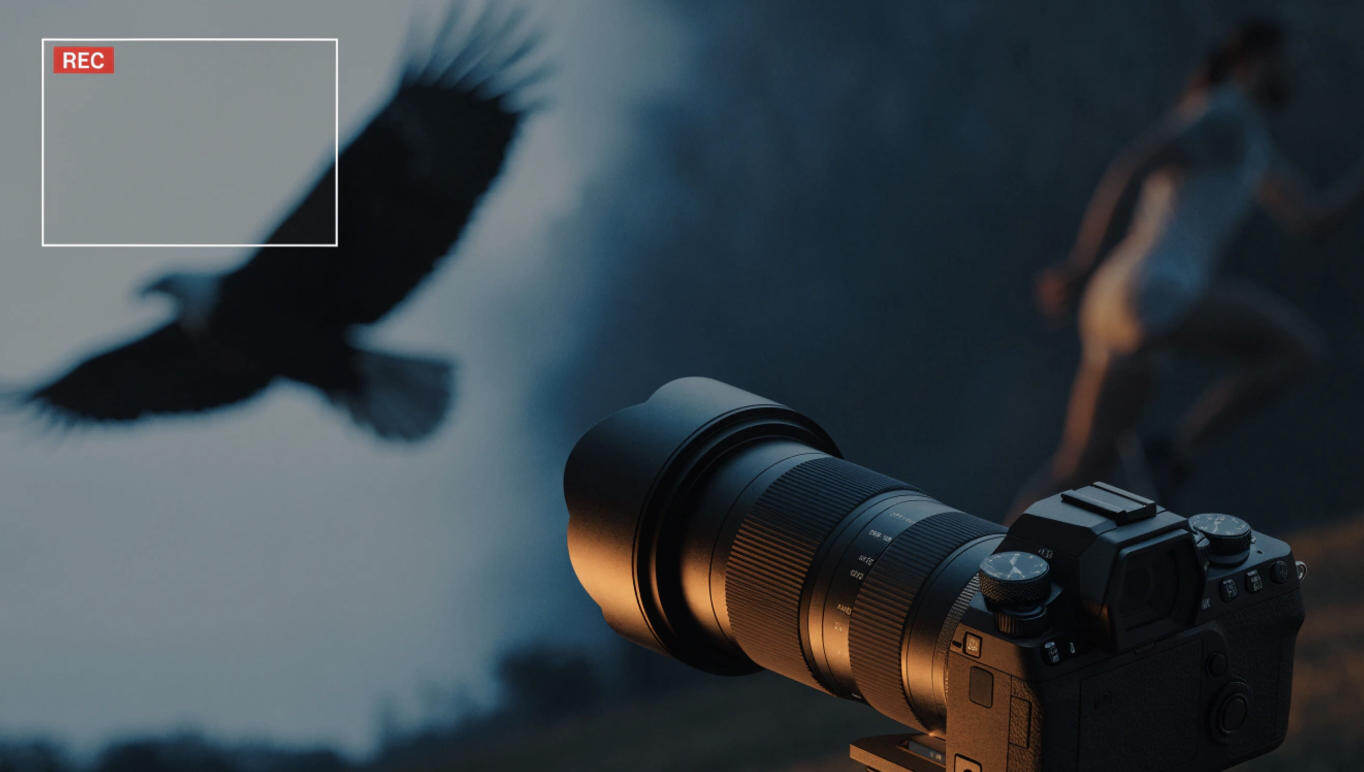
The earliest cameras solved one problem: preserving a scene. Modern cameras solve a different problem: helping people capture cleaner, more controlled video without needing a large production crew.
That shift is especially clear in live streaming, online education, events, churches, podcasts, and small video studios. In these settings, creators often need a camera that can follow movement, keep the subject framed, and output polished video without constant manual adjustment.
Modern Camera Pick: OBSBOT Tail 2 Live Production Camera
The OBSBOT Tail 2 is a 4K AI-powered PTZR live production camera designed for creators, educators, speakers, churches, and event teams that need more than a fixed webcam or traditional camera angle.
Instead of treating the camera as a passive recording box, Tail 2 helps manage framing and movement during production. That makes it a natural example of how far cameras have evolved from early optical projection to intelligent video capture.
Why it fits this topic:
- 4K image capture: Tail 2 supports detailed video capture for presentations, livestreams, classes, and event coverage.
- AI tracking: It can keep a subject framed while they move, reducing the need for manual camera operation.
- PTZR control: Pan, tilt, zoom, and rotation support make it more flexible than a fixed-angle camera.
- Production-ready use: It is built for creators and teams that need a practical modern camera for real-time video workflows.
FAQs About Camera History
Did cameras exist in 1920?
Yes. Cameras existed in 1920, and film photography was already well established. People used cameras for portraits, travel, news, family photos, and commercial work.
Did cameras exist in the 1700s?
Camera obscura devices existed in the 1700s, but photographic cameras did not. They could project an image, but they could not permanently capture a photo.
When were cameras first available to the public?
Photography became publicly known in 1839. Cameras became much easier for ordinary people to use after roll-film cameras appeared in the late 1800s.
Did cameras exist in 1971?
Yes. Cameras were common in 1971, especially film cameras. Digital cameras were still experimental and did not become everyday consumer products until much later.
Conclusion
The best short answer is 1826 or 1827, when Joseph Nicéphore Niépce made the oldest surviving photograph from a camera. The larger history starts earlier with camera obscura and continues through public photography, consumer film cameras, and digital imaging.