Best 4K Video Cameras in 2026: 9 Picks for Every Creator
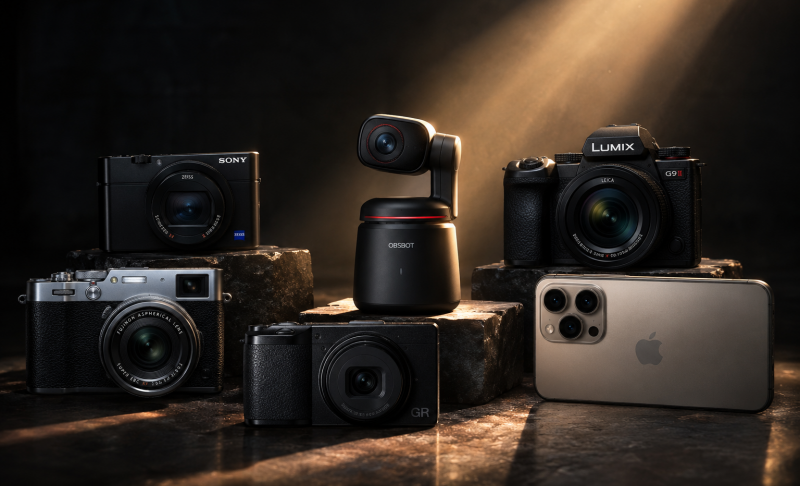
The best 4K video camera is not always the model with the longest specification sheet. A solo streamer may benefit more from reliable tracking and direct video outputs, while a filmmaker may prioritize 10-bit recording, dynamic range, and lens choice. This guide compares nine 4K cameras across live production, vlogging, travel, filmmaking, and fixed-venue use so you can match the camera to the way you actually shoot.
Best 4K Video Cameras Compared
Start with the intended use and main limitation. The approximate prices below are useful for positioning, but lenses, media, audio gear, and regional pricing can change the final cost.
| Camera | Camera Type | Best Use | Key Video Capability | Main Limitation | Approx. Price |
|---|---|---|---|---|---|
| OBSBOT Tail 2 | AI PTZR live production camera | Solo streaming, events, lectures | 4K60, AI tracking, 5x optical zoom | Less lens flexibility than an interchangeable-lens camera | About $1,199 |
| Sony SRG-A40 | Fixed PTZ camera | Auditoriums, education, fixed venues | 20x optical zoom and auto-framing | Expensive and not designed for handheld creation | About $4,280 |
| Sony ZV-E10 II | APS-C mirrorless | YouTube and solo vlogging | 4K60 and 10-bit 4:2:2 | No in-body stabilization | About $1,200 |
| DJI Osmo Pocket 3 | Pocket gimbal camera | Travel and walk-and-talk video | 4K120 and 3-axis mechanical stabilization | Fixed wide lens | About $499 |
| Canon EOS R50 | APS-C mirrorless | First interchangeable-lens camera | Oversampled 4K30 and strong subject AF | No IBIS; 4K60 is cropped | About $680 |
| Sony FX30 | Super 35 cinema camera | Short films, music videos, small crews | 4K120, 10-bit 4:2:2, active cooling | Needs lenses and production accessories | About $1,800–$2,100 |
| Panasonic Lumix S5II | Full-frame mirrorless | Low-light and hybrid photo/video work | 6K30, 4K60, 10-bit recording | 4K60 uses an APS-C crop | About $2,000 with kit lens |
| Panasonic Lumix GH7 | Micro Four Thirds mirrorless | Long-form and advanced video production | 4K120, internal ProRes RAW, active cooling | Large body and modest battery life | About $2,200 |
| Blackmagic Pocket Cinema Camera 6K G2 | Super 35 cinema camera | Narrative work and intensive color grading | 6K recording and 12-bit Blackmagic RAW | No continuous tracking AF or IBIS | About $2,000 |
Quick Picks
- For automated live production: OBSBOT Tail 2 can track, reframe, zoom, and output video without requiring a full-time camera operator.
- For a fixed auditorium: Sony SRG-A40 provides the optical reach and remote control needed when the camera stays mounted far from the subject.
- For YouTube and vlogging: Sony ZV-E10 II combines dependable autofocus, a flip screen, and flexible lenses.
- For travel: DJI Osmo Pocket 3 is the easiest model here to carry and stabilize without extra gear.
- For a first 4K mirrorless camera: Canon EOS R50 keeps the initial cost and learning curve relatively low.
- For a cinema workflow: Sony FX30 offers professional video controls without moving into full-frame cinema-camera pricing.
- For low light and hybrid use: Panasonic Lumix S5II combines a full-frame sensor with effective stabilization.
- For long-form recording: Panasonic Lumix GH7 offers active cooling, extensive codecs, and strong stabilization.
- For RAW and color grading: Blackmagic Pocket Cinema Camera 6K G2 rewards experienced users who are comfortable with manual production.
Which Type of 4K Video Camera Do You Need?
- Mirrorless camera: Choose mirrorless cameras when image quality, lens choice, autofocus, and the ability to shoot both photos and video matter. Remember to budget for lenses.
- Camcorder: A traditional 4K camcorder is often easier for long events because it combines a built-in zoom lens, familiar video controls, and extended recording in one body.
- Cinema camera: This type prioritizes codecs, dynamic range, monitoring tools, audio, and rigging. It usually expects more post-production and extra accessories.
- Pocket or gimbal camera: Choose this for travel, walk-and-talk footage, and quick social video when carrying a lens system would slow you down.
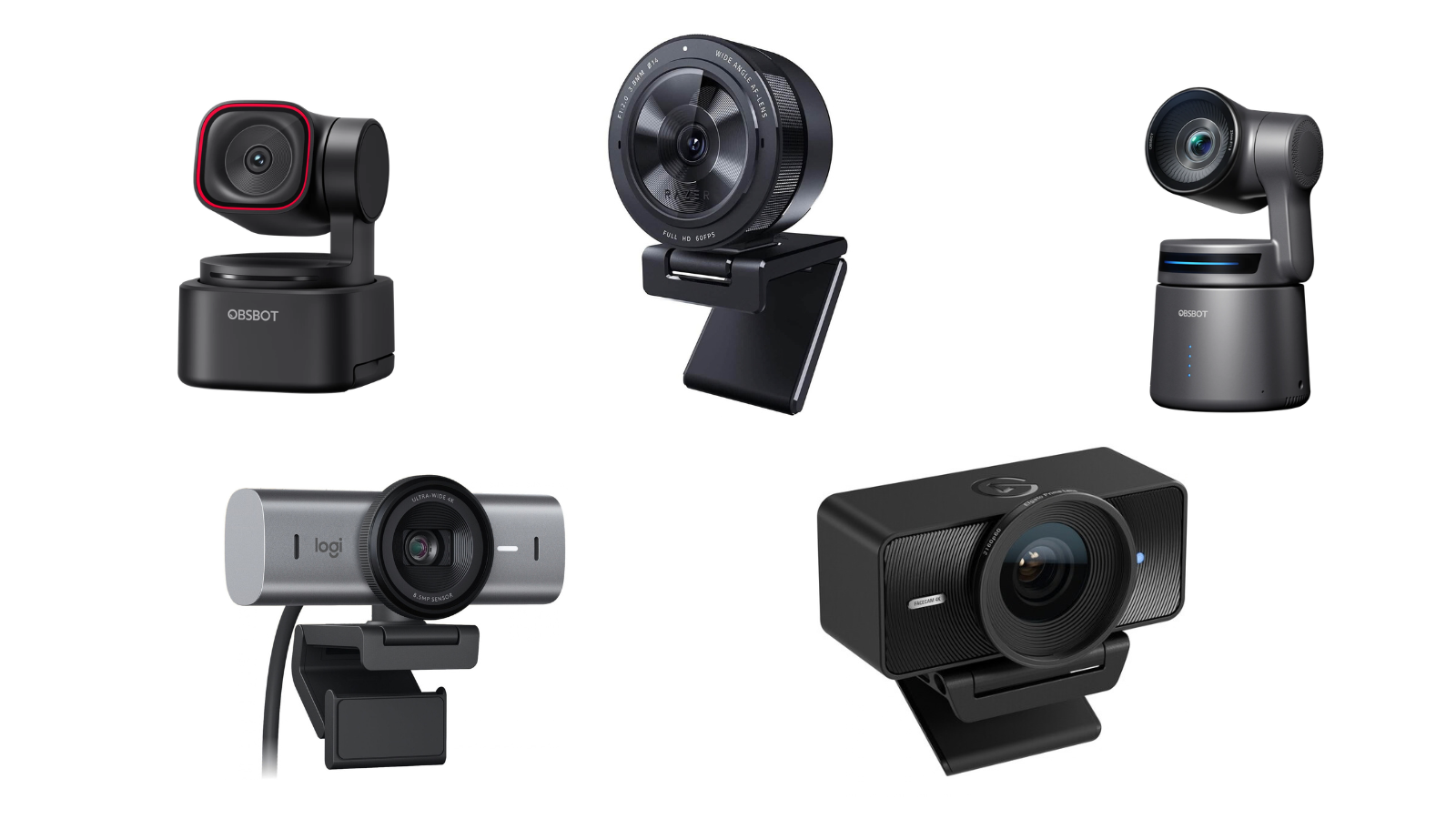
- PTZ or live production camera: This format is designed for remote operation, tracking, streaming, lectures, worship, and events rather than handheld filmmaking.
Best 4K Video Cameras in 2026
1. OBSBOT Tail 2 [$1199]
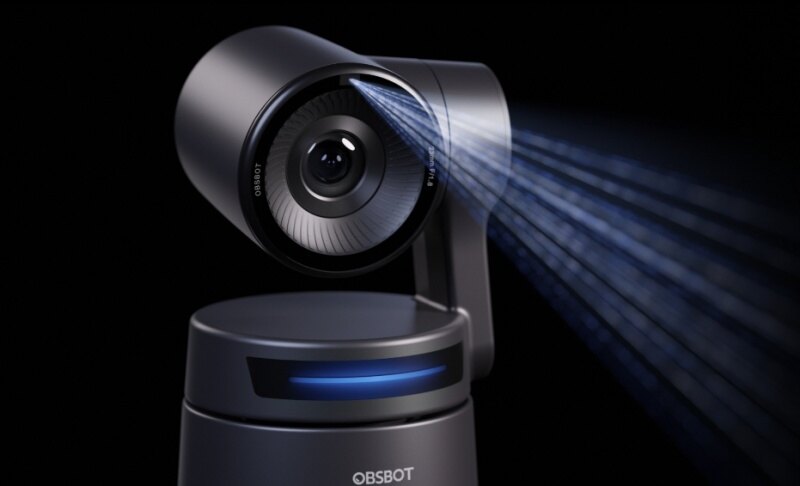
The OBSBOT Tail 2 is built for a production problem that conventional mirrorless cameras do not solve on their own: keeping a moving subject framed when there is no dedicated camera operator. Its AI tracking, PTZR movement, 5x optical zoom, and 4K60 recording make it particularly useful for solo streaming, lectures, performances, and small event teams.
What changes in practice:
- Human, animal, and object tracking reduces constant joystick or tripod adjustments.
- HDMI, SDI, USB-C, Ethernet, and NDI support let it enter anything from a simple laptop setup to a multi-camera IP workflow.
- The 90-degree rotation supports native horizontal and vertical production without cropping a landscape frame afterward.
The trade-off is lens flexibility. You cannot build a lens kit around it as you can with a mirrorless camera. Choose it when automation and connectivity will save more time than interchangeable lenses would add creative options.
2. Sony SRG-A40 [$4,280]
The Sony SRG-A40 belongs in a fixed venue, not a camera bag. Its 20x optical zoom can move from a wide room view to a close speaker shot from the back of an auditorium, while auto-framing reduces the amount of manual PTZ control needed during a lecture or presentation.

HDMI, 3G-SDI, and IP output make it suitable for installed education, corporate, and event systems. The 4K output tops out at 30 fps, which is sufficient for presentations but less suited to fast action. At roughly $4,280, it only makes sense when long optical reach, permanent mounting, and remote operation are essential. A creator shooting handheld video will get far more value from another model in this guide.
3. Sony ZV-E10 II [$1199.99]
The strongest reason to choose the Sony ZV-E10 II is not one headline specification. It is how easily its autofocus, fully articulating screen, compact body, and E-mount lens selection fit a one-person YouTube workflow.

It records 4K up to 60 fps and supports internal 10-bit 4:2:2, giving creators more room to adjust color than a basic 8-bit vlogging camera. Face and eye tracking are useful when you cannot monitor focus continuously.
The important limitation: there is no in-body stabilization. A stabilized lens, tripod, careful handheld technique, or gimbal may be needed for walking footage. Its total cost also rises once you add a lens, spare battery, and microphone.
4. DJI Osmo Pocket 3 [$499]
Think of the DJI Osmo Pocket 3 as the option for capturing a moment before a larger camera would even be ready. The one-inch sensor, rotating screen, and built-in 3-axis gimbal are combined in a body small enough for travel, behind-the-scenes clips, and walk-and-talk recording.

- Mechanical stabilization produces smoother motion without a separate gimbal.
- 4K120 gives you short high-resolution slow-motion clips.
- ActiveTrack helps a solo presenter remain framed.
Its fixed wide lens is the price of that portability. It cannot replace a long-zoom camcorder or an interchangeable-lens camera when the subject is distant, but it is one of the most practical 4K cameras for creators who value speed and mobility.
5. Canon EOS R50 [$679.99]
At around $680, the Canon EOS R50 is a sensible entry point for a beginner who wants better autofocus and lens flexibility without jumping directly to a cinema-oriented body.

Its uncropped 4K30 is oversampled from 6K, so normal-speed footage can look detailed without requiring advanced settings. Dual Pixel CMOS AF II and the articulating touchscreen also lower the difficulty of filming yourself.
There are two budget catches. The body has no IBIS, and 4K60 applies a substantial crop. The kit lens is convenient but may not provide the wide aperture or wide field of view needed for every setup. It works best for tripod-based YouTube videos, family projects, and learning interchangeable-lens video rather than demanding handheld production.
6. Sony FX30 [$2099]
The Sony FX30 is where this list moves from creator camera to production tool. It uses a Super 35 sensor and Sony Cinema Line interface, with features such as 10-bit 4:2:2 recording, 4K120, S-Cinetone, Log shooting, timecode support, mounting points, and active cooling.

Why a small crew may prefer it: autofocus is still dependable, but the body is designed to accept a cage, monitor, audio handle, external power, or other production accessories. Long recording sessions are also less worrying than on compact bodies without active cooling.
The body price is only the beginning. Lenses, ND filters, fast cards, audio, and rigging can make the complete system significantly more expensive. It is worthwhile for short films, music videos, and commercial work, but unnecessarily complex for casual vlogging.
7. Panasonic Lumix S5II [$1999]
If low-light image quality, handheld shooting, and still photography all matter, the Panasonic Lumix S5II is one of the more balanced options here. Its full-frame sensor gives it an advantage in dim interiors, while its 5-axis stabilization can reduce the need for a gimbal during controlled handheld movement.

The S5II records 6K30 and 10-bit 4K, uses phase hybrid autofocus, and includes cooling for extended recording. That combination suits interviews, weddings, documentary work, and creators who need one camera for both photos and video.
Its 4K60 mode uses an APS-C crop, and the full-frame body plus L-mount lenses is less portable than an entry-level APS-C kit. Buyers who need SSD recording or more advanced streaming features should also compare the S5IIX before deciding.
8. Panasonic Lumix GH7 [$2199.99]
The Panasonic Lumix GH7 earns its premium through recording flexibility rather than sensor size. It can record 4K at high frame rates, offers internal ProRes and ProRes RAW options, supports 32-bit float audio with the compatible XLR adapter, and uses active cooling for long sessions.

For event, documentary, and production users, that means fewer compromises around external recorders, audio peaks, or overheating. The Micro Four Thirds lens system also offers compact lens choices and useful reach.
What you do not get is the same shallow depth of field or high-ISO performance as a comparable full-frame camera. The body is also large for its sensor format. Buy it for codecs, stabilization, audio, and reliability, not because it is the smallest option.
9. Blackmagic Pocket Cinema Camera 6K G2 [~$1995]
The Blackmagic Pocket Cinema Camera 6K G2 is aimed at users who want to shape the image in post rather than rely on automatic shooting. Its Super 35 sensor, 12-bit Blackmagic RAW, ProRes support, dual native ISO, and large touchscreen create a strong capture-to-DaVinci Resolve workflow.

Choose it when: dynamic range, RAW flexibility, exposure tools, and deliberate manual control matter more than convenience.
Look elsewhere when: you need continuous tracking autofocus, in-body stabilization, strong battery life, or a camera that is easy to hand to a beginner. Once lenses, storage, power, and rigging are included, the complete setup costs much more than the body alone.
Key Factors When Choosing a 4K Video Camera
- Camera type: A mirrorless camera offers lens choice, a camcorder provides an all-in-one zoom, a cinema camera prioritizes production tools, and a PTZ camera enables remote operation.
- Frame rate and crop: 4K30 is enough for interviews and normal-speed content. Choose 4K60 for smoother action or modest slow motion. Check whether higher frame rates crop the image or reduce autofocus performance.
- Autofocus: Face and eye tracking matter most when you film yourself or follow unpredictable subjects. Manual-focus cinema work has different priorities.
- Stabilization: IBIS helps handheld mirrorless shooting, while a mechanical gimbal is more effective for walking footage. A tripod-based setup may need neither.
- Low light and dynamic range: Sensor size helps, but lens aperture and lighting are equally important. Log or RAW recording preserves more information only if you are prepared to color grade.
- Recording reliability: Check heat management, recording limits, battery options, and storage requirements before filming long events.
- Audio and outputs: Microphone and headphone ports matter for recording. Clean HDMI, SDI, USB, or IP output may be essential for streaming and multi-camera production.
- Total system cost: Add lenses, memory cards, batteries, filters, microphones, support gear, and editing storage before comparing value.
FAQs about 4K Video Cameras
What is the best 4K video camera for most people?
There is no universal winner. The Canon EOS R50 suits beginners, the Sony ZV-E10 II fits solo YouTube creators, and the Panasonic GH7 is stronger for advanced video production. For automated streaming and tracking, the OBSBOT Tail 2 solves a different problem than a conventional mirrorless camera.
Is a 4K camcorder better than a mirrorless camera?
A camcorder is often easier for long events because it includes a built-in zoom and video-focused controls. A mirrorless camera usually offers better lens choice, a larger sensor, and stronger photo capability. The better option depends on whether convenience or creative flexibility matters more.
Do you need 4K60 for YouTube?
No. 4K30 is enough for talking-head videos, interviews, and most tutorials. Choose 4K60 when you film faster movement or want to slow footage down on a 30 fps timeline.
Is 4K necessary for live streaming?
Not always. Many streams are delivered at 1080p because it requires less bandwidth. A 4K camera can still provide a sharper downsampled image and room to crop, but reliable output, autofocus, audio, lighting, and network stability are usually more important.
What should a budget 4K video camera include?
Look for reliable autofocus, a usable 4K30 mode, a microphone input, a flip screen if you film yourself, and affordable lenses or built-in optics. Calculate the complete kit cost rather than comparing body prices alone.
Conclusion
The best 4K video camera is the one that removes the biggest obstacle in your workflow. Choose tracking and connectivity for automated production, autofocus and a flip screen for solo creation, stabilization for handheld work, or codecs and cooling for filmmaking. Compare the complete setup rather than resolution alone: lenses, audio, power, storage, and support gear can affect the result as much as the camera body. A well-matched 4K30 camera will usually serve you better than a feature-heavy model whose strongest tools you never use.