Optical Zoom vs Digital Zoom: What Is the Difference?
Zoom can make a distant subject easier to frame, but the way a camera creates that closer view determines how much detail remains. This guide explains the difference between optical and digital zoom, which one fits your situation, and how to read the zoom numbers on a spec sheet so you can choose with confidence.
Optical Zoom vs Digital Zoom: The Key Difference
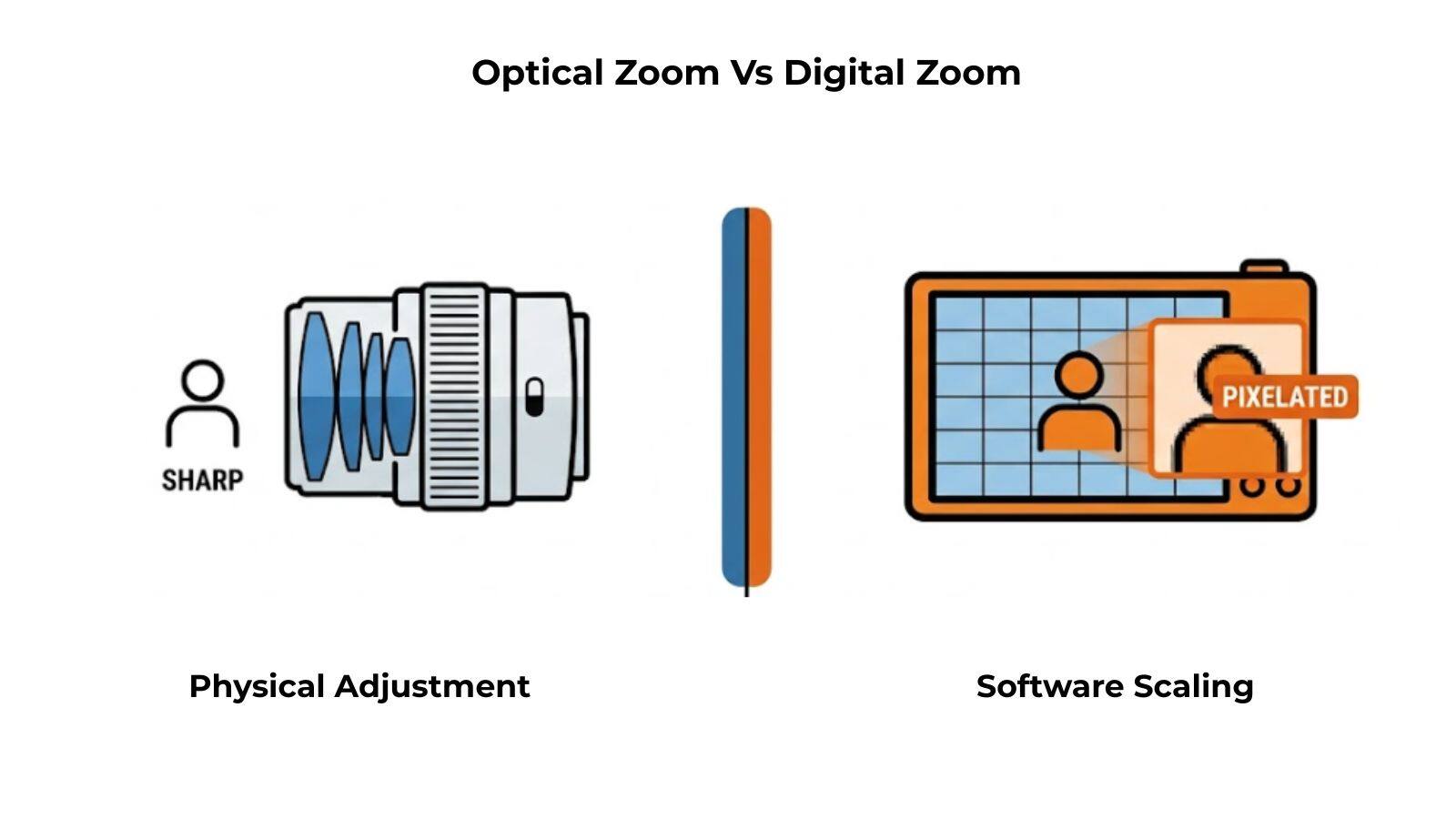
Optical zoom uses the camera lens to bring the subject closer. The lens elements move and change the focal length before the camera records the image. Because the sensor still captures the subject with its available pixels, optical zoom can preserve more detail.
Digital zoom crops and enlarges the original frame. It does not move the lens or capture new visual information. The camera selects a smaller part of the image and scales it up, which can reduce sharpness as the zoom level increases.
| Zoom type | How it works | Effect on detail | Typical use |
|---|---|---|---|
| Optical zoom | Changes the lens focal length | Usually preserves more captured detail | Wildlife, sports, events, classrooms, PTZ cameras |
| Digital zoom | Crops and enlarges the existing frame | Can soften detail or reveal pixelation | Desk webcams, phones, quick framing adjustments |
In short: optical zoom gathers new image information, while digital zoom reuses what was already captured. Everything else in this guide follows from that single difference.
How Each Type of Zoom Affects Image Quality
Why Optical Zoom Preserves More Detail
Imagine filming a speaker from the back of a conference room. With optical zoom, the lens narrows the field of view and places the speaker's face across more of the sensor. The camera is capturing a closer composition rather than enlarging a distant, small subject after the fact.
That is why optical zoom is valuable for sports, stage performances, classrooms, worship spaces, and live events: you can adjust the framing without moving the camera closer or placing it in the audience's way.
Optical zoom does not guarantee perfect footage by itself. Low light, camera shake, focus accuracy, lens quality, and sensor performance still matter. However, it gives the camera more real image information to work with than a simple crop.
Where Digital Zoom Starts to Show
Suppose a person occupies only a small part of a wide shot. When you apply digital zoom, the camera enlarges that small area. The person may appear closer, but the camera has not recovered detail that was never recorded.
At a low zoom level, especially on a high-resolution camera, the result may look clean enough for a video call or social post. The problem becomes easier to see when you push the zoom further: fine hair, text, fabric, and facial details can look soft or blocky.
For a desk webcam, that trade-off may be acceptable. If you sit in one place and only need to adjust the framing slightly, moving the crop can be faster and quieter than using a mechanical lens.
Resolution Sets the Limit on Digital Zoom
A higher-resolution sensor gives digital zoom more pixels to work with. For example, a 4K camera can often crop to a 1080p output more comfortably than a 1080p camera can crop to the same output.
That does not turn digital zoom into optical zoom. It simply gives the crop more room before visible quality loss appears. The result also depends on processing, lighting, compression, and the platform where the video is published.
Which Zoom Should You Choose?
Now that the trade-off is clear, the choice usually comes down to your shooting distance and workflow rather than the zoom label alone. Use the table below to match your situation to an option.
| Your situation | More suitable option | Why it matters |
|---|---|---|
| You film sports or wildlife from a distance | Optical zoom | Preserves more subject detail while keeping the camera position fixed |
| You record a stage, classroom, or conference room | Optical zoom | Lets you switch between a wide room view and a tighter speaker shot |
| You use a webcam at a desk | Digital zoom may be enough | The subject is already close, so a small crop may not be noticeable |
| You need a small framing adjustment for a livestream | Digital zoom or crop | Software control is fast and avoids lens movement during the broadcast |
| You need readable detail from far away | Optical zoom | A crop cannot restore small text or fine details that were not captured |
The decision rule is simple: choose optical zoom when the subject is far away and detail matters. Digital zoom is usually fine when the subject is already close, the crop is modest, or the final video will be viewed in a small window. The need for optical zoom becomes clearer when you cannot move the camera closer and still need faces, signs, instruments, or presentation details to remain recognizable.
What Is Hybrid Zoom, and Where Does It Fit?
Once you start comparing cameras, you will run into a third label that was not part of the original two-way choice: hybrid zoom. It is not a separate physical mechanism. It combines the lens-based optical range with digital cropping and image processing, so the camera can keep zooming after the lens has reached its limit.
The important question is where the optical range ends. A camera advertising "12x hybrid zoom" might offer 5x as true optical and the rest as digital, or it might blend the two more gradually. The further you move into the hybrid range, the more the image depends on cropping and processing rather than captured detail.
Hybrid zoom is genuinely useful when you need flexibility rather than maximum sharpness — for example, when one camera must cover a wide room and a tighter shot without changing lenses. Just do not read the headline number as if all of it were optical.
How to Read Camera Zoom Specifications
Check Whether the Number Is Optical, Digital, or Hybrid
A specification such as "12x zoom" is incomplete without knowing how that number is calculated. A camera may combine optical zoom with digital processing, so the headline number can be larger than the camera's true optical reach. Look for wording such as:
- Optical zoom: the lens-based range.
- Digital zoom: software cropping and enlargement.
- Hybrid zoom: a combination of optical zoom, cropping, and image processing.
Look at the Starting Focal Length
Zoom ratios are relative to the lens's widest setting. A 10x zoom that starts wide does not necessarily give the same reach as a 10x zoom that starts at a narrower field of view.
This is why the camera's focal-length range or field of view can be more useful than the "x" number alone. A wide starting view helps capture a whole room, while a longer telephoto end helps isolate a distant subject.
Consider the Output Resolution
If you plan to publish at 1080p, a 4K camera may give you some room for digital reframing. If you already capture and deliver in 4K, aggressive digital zoom will become visible sooner because the final output needs more detail.
Check the Workflow, Not Just the Lens
For live production, zoom is only one part of the decision. Connections, tracking, stabilization, low-light performance, control options, and the ability to save or stream the image may matter just as much.
For example, a camera with optical zoom may still be inconvenient if it cannot connect to your switcher or streaming software. In a two-camera setup, remote control and repeatable presets can save more time than a larger digital zoom number.
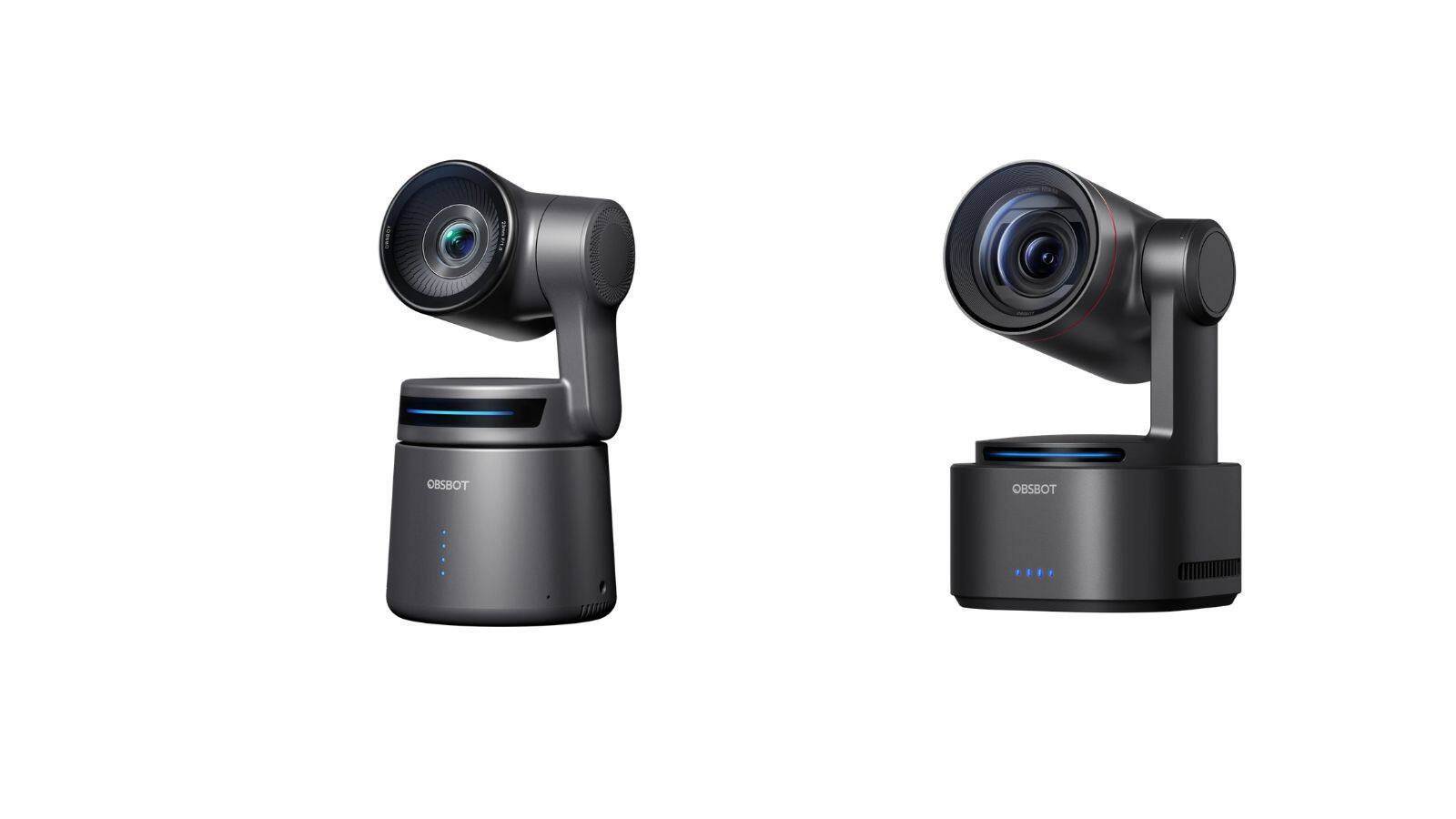
Bonus: A PTZR Camera for Long-Distance Live Production - OBSBOT Tail 2
When a camera is mounted at the back of a stage, venue, classroom, or studio, zoom quality affects more than composition. It determines whether the close-up still looks usable after the camera has to cover a large area.
The OBSBOT Tail 2 is designed for this type of production workflow, with 5x optical zoom, 12x hybrid zoom, 4K video, and PTZR movement for horizontal and vertical framing. Its optical range handles the initial reach, while the hybrid range provides additional framing flexibility when the shot does not need maximum detail.
Why it fits this scenario:
- 5x optical zoom: Brings distant speakers, performers, or presenters closer without relying on a crop alone.
- 4K capture: Leaves more resolution available when you need a moderate crop for the final output.
- PTZR movement: Supports pan, tilt, zoom, and rotation when one camera must cover different compositions.
- AI tracking: Helps keep a moving presenter or performer framed during a live shot.
- Production connections: Supports HDMI, 3G-SDI, Ethernet, USB, NDI, RTMP, RTSP, and SRT workflows.
How to Get the Best Results from Digital Zoom
If your camera only offers digital zoom, it is still a tool rather than a defect. A few habits keep the result usable:
- Shoot at the highest resolution you can. More pixels in the original frame means more room to crop before the image softens.
- Keep the crop modest. A slight reframe usually looks clean; pushing deep into the frame is where detail breaks down.
- Use optical zoom first. Reach the subject with the lens, then use digital zoom only for the last small adjustment.
- Stabilize the shot. A crop magnifies shake along with the subject, so a tripod or gimbal helps more as zoom increases.
- Add light. Digital zoom makes noise and compression artifacts easier to see, and good lighting reduces both.
- Check on a large screen. Softness that is invisible in a phone preview often shows up clearly on a monitor.
FAQs About Optical Zoom vs Digital Zoom
Is optical zoom always better than digital zoom?
Not always. It is better when you need detail from a distant subject, because it captures more real image information. For a close-range webcam or a small framing adjustment, digital zoom can look just as clean and is often more convenient.
Does digital zoom reduce image quality?
It can, and how much depends on how far you push it. Digital zoom enlarges a cropped section of the frame, so fine detail is stretched rather than captured. A light crop on a high-resolution sensor may be hard to notice, while a heavy crop on a low-resolution one looks soft or blocky. Good light and a steady camera reduce the visible damage, but they cannot add detail that was never recorded.
Is digital zoom better than a telephoto lens?
No. A telephoto lens is optical, so it gathers real image detail at a distance; digital zoom only enlarges a crop of what the sensor already recorded. That said, a telephoto lens adds size, weight, and cost, and it usually needs a camera body that accepts interchangeable lenses. Digital zoom is the cheaper, more portable option when the crop stays modest. If reach and detail are the priority, the telephoto lens wins; if you only need a slight reframe, digital zoom is often enough.
Is 4K digital zoom better than 1080p optical zoom?
There is no universal answer. A 4K camera may allow a modest crop while still producing a clean 1080p output, but a true optical zoom can capture more useful detail when the subject is far away. The better choice depends on distance, lighting, output resolution, and the quality of the camera's lens and processing.
What is 10X optical zoom equivalent to?
There is no fixed conversion, because a zoom ratio is always relative to where the lens starts. "10x" simply means the longest focal length is ten times the widest one, so a 10x lens that starts wide and a 10x lens that starts narrow give very different reach. Instead of looking for an equivalent number, compare the actual focal-length range or the field of view at the long end, which is what determines how close the subject will appear.
Is 30X optical zoom good?
A larger number is not automatically better. What matters is how the long end performs: sensor size, aperture, and stabilization decide whether a 30x shot stays sharp and bright or turns soft and noisy, especially indoors or at dusk. Atmospheric haze and heat shimmer also limit how much detail a very long zoom can actually deliver outdoors. Treat 30x as a reach figure, then check image quality, low-light performance, and how much of that range is truly optical rather than hybrid.
Do webcams use optical zoom or digital zoom?
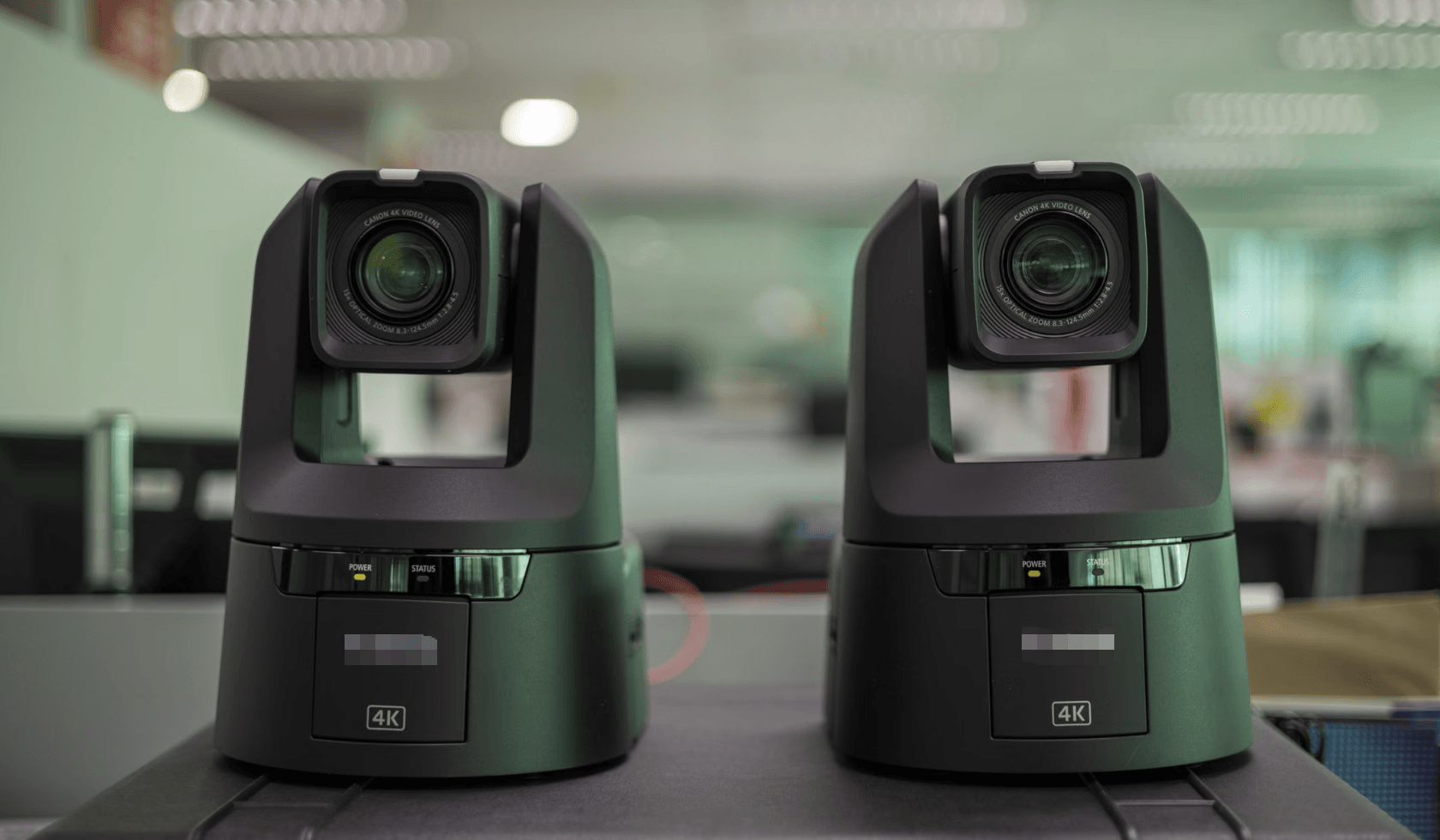
Most desk webcams use digital zoom because the camera is positioned close to the user and digital cropping keeps the design compact. Optical zoom is more common in PTZ cameras and professional webcams used in large rooms, studios, classrooms, and event spaces.
Does the iPhone have digital or optical zoom?
Both, and the distinction is easy to miss. A modern iPhone has several rear lenses with fixed focal lengths, and switching between them (for example, 0.5x, 1x, 2x, or 5x) gives optical-quality steps. Anything beyond the longest lens, or in between those steps, relies on digital cropping and computational processing. The front camera is effectively digital zoom only. So the advertised zoom range mixes true optical steps with digital reach.
Conclusion
Optical zoom is the safer choice when distance and detail matter, while digital zoom suits close-range cameras and small framing changes. Instead of comparing zoom numbers alone, check the optical range, the starting field of view, the output resolution, the lighting performance, and the workflow you actually plan to use — that combination tells you far more than the "x" figure on the box.