6 Best PTZ Cameras for Church Live Streaming in 2026

A PTZ camera for church streaming must do more than produce a sharp image. It may need to frame a pastor from the back of a deep sanctuary, move quietly during prayer, send video over a long cable run, and remain simple enough for a volunteer to control.
This guide focuses only on PTZ cameras for churches. It compares optical reach, tracking, presets, SDI and NDI workflows, installation needs, and total value. If you are also comparing camcorders and mirrorless cameras, read our broader guide to the best cameras for church live streaming.
Quick Comparison: PTZ Cameras for Church
| Camera | Approx. US Price | Video | Optical Zoom | Main Connections | Church Problem Solved | Main Limitation |
|---|---|---|---|---|---|---|
| OBSBOT Tail 2 | $1,199 | 4K60 | 5x | HDMI, SDI, USB-C, NDI/IP | Reduces operator workload in small and medium spaces | Limited reach from the rear of a deep sanctuary |
| AVKANS AV-CM20-NDI | $599 | 1080p60 | 20x | NDI, SDI, HDMI, USB, PoE | Builds an affordable long-zoom or multi-camera system | Default color and software need more setup |
| AIDA PTZ-NDI-X20 | $1,260 | 1080p60 | 20x | NDI, SDI, HDMI, USB, PoE+ | Sends one camera to several production destinations | No 4K and better suited to presets or manual control |
| PTZOptics Move SE 20X | $1,349 | 1080p60 | 20x | SDI, HDMI, USB, IP, NDI | Tracks a moving pastor without a full-time operator | Live PTZ movement should be tested before installation |
| Lumens VC-A61PN | $2,699 | 4K30 | 30x | NDI, SDI, HDMI, IP, PoE+ | Produces close shots from the rear of a deep sanctuary | No built-in subject tracking |
| Panasonic AW-UE50 | $3,299 | 4K30 | 24x | HDMI, SDI, USB, IP, PoE+ | Supports quiet and dependable permanent installation | 4K is not available through every output path |
6 Best PTZ Cameras for Church Live Streaming
1. OBSBOT Tail 2 ($1,199)
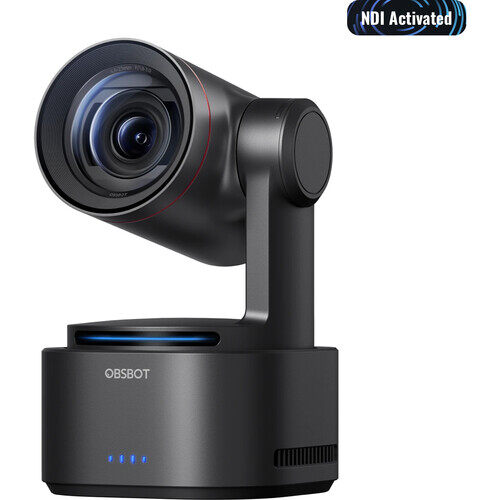
For a small or medium church, the main limitation is often staffing rather than camera reach. One volunteer may be managing sound, slides, OBS, and the video feed at the same time. The OBSBOT Tail 2 is designed for that situation.
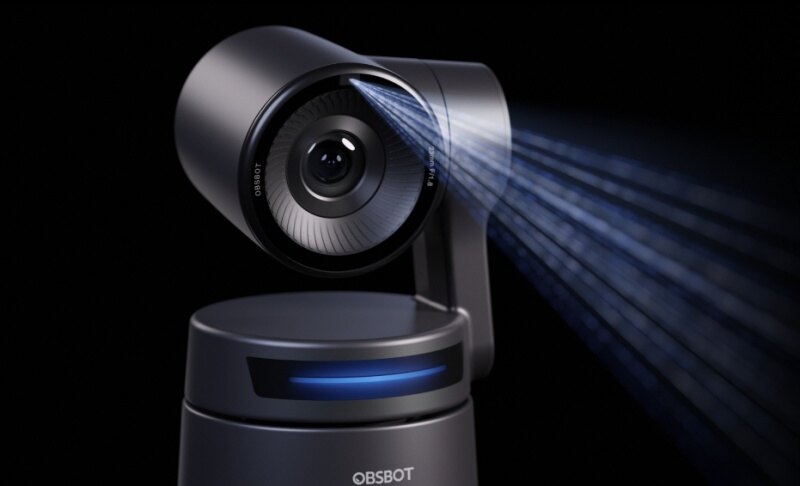
Its AI tracking can follow a pastor or worship leader without continuous joystick input. The 1/1.5-inch sensor and 4K60 output also provide more image detail than many compact PTZ cameras. This helps when the platform has mixed lighting or when the final 1080p stream needs a small crop.
The 5x optical zoom works well when the camera is near the platform, on a side wall, or around the middle of the room. It can move between a full-platform view and a tighter speaker shot without digital zoom doing all the work.
HDMI, SDI, USB-C, and NDI/IP support allow the same camera to fit a laptop-based stream or a more advanced production system.
Important limitation: Five-times optical zoom is not enough for a tight head-and-shoulders shot from the rear of a long sanctuary. Measure the camera-to-platform distance before choosing it.
See how OBSBOT cameras can fit into a house-of-worship production.
2. AVKANS AV-CM20-NDI ($599)
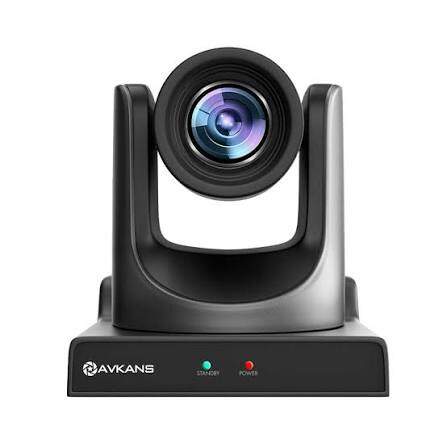
The AVKANS AV-CM20-NDI makes the most sense when the church needs optical reach but cannot spend more than $1,000 on each camera.
Its 20x optical zoom can frame a pastor from farther back than compact AI cameras. It produces up to 1080p60 and includes NDI, 3G-SDI, HDMI, USB, IP streaming, and PoE. That is an unusually broad connection set at this price.
For an OBS-based church, a single Ethernet cable can carry power, control, and NDI video. A church can also start with HDMI or SDI and move toward an IP workflow later. This flexibility makes it easier to build a two-camera system without spending the entire budget on camera bodies.
What requires more work: Default color can look flat beside cameras from another brand. Exposure, white balance, and color should be matched before the first service. The control software and documentation are also less polished than those from higher-priced manufacturers.
This is a value choice. It is most convincing in a well-lit sanctuary where budget and optical reach matter more than premium image processing.
3. AIDA PTZ-NDI-X20 ($1,260)
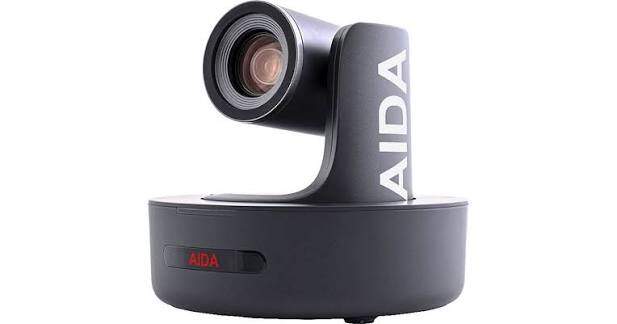
The strongest reason to choose the AIDA PTZ-NDI-X20 is its output flexibility.
It can send 1080p60 video through NDI, 3G-SDI, HDMI, USB 3.0, and IP at the same time. One feed can go to the main switcher. Another can supply an overflow room. USB can remain available for a temporary laptop setup.
That solves a common upgrade problem. Churches often replace equipment in stages. The AIDA can work with an existing SDI system now and move into an NDI workflow later without replacing the camera.
Its 20x optical zoom suits a medium sanctuary or a camera mounted toward the rear. PoE+ reduces the amount of wiring needed at the mounting point.
This camera fits an operator-led workflow better than a fully automated one. Save repeatable positions for the pulpit, worship leader, choir, and wide platform view. A joystick or software controller can then recall those shots during the service.
Consider the output target: It records in Full HD rather than 4K. That is usually enough for a 1080p church stream, but it provides less cropping room than the 4K models in this guide.
4. PTZOptics Move SE 20X ($1,349)
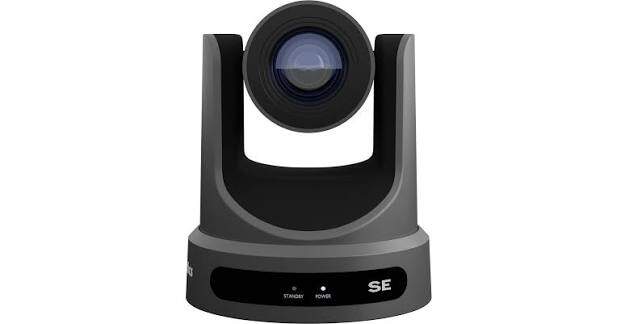
A pastor who regularly walks away from the pulpit can make fixed presets feel restrictive. The PTZOptics Move SE 20X addresses that problem with built-in auto tracking and useful optical reach.
Its 20x lens covers a larger room than the Tail 2. The camera can output 1080p60 through SDI, HDMI, USB, or IP. NDI support also allows video, control, and power to share the network when the switch and cabling are suitable.
The wider PTZOptics ecosystem is another advantage. Churches can use browser-based controls, presets, software tools, or a dedicated joystick. This makes the camera easier to expand into a two-camera or three-camera system.
- Use auto tracking when one pastor moves around the platform.
- Save presets for the pulpit, worship leader, choir, and baptism area.
- Recall a new position while another camera is live.
- Test tracking with people crossing in front of the speaker.
A wider tracking frame is often safer than an aggressive close-up. The camera stops at 1080p, so choose it for workflow and 20x tracking rather than for 4K delivery.
5. Lumens VC-A61PN ($2,699)
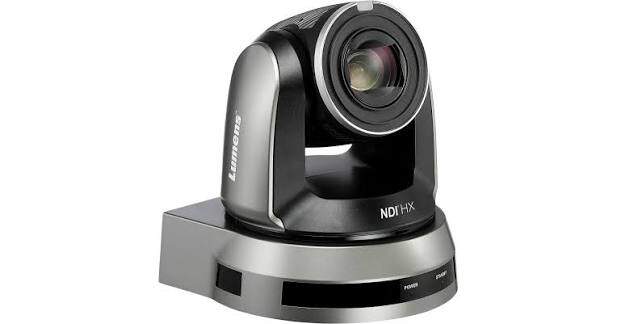
A rear-mounted camera needs real optical reach. The Lumens VC-A61PN provides 30x optical zoom, which is the longest lens in this comparison.
That extra reach matters in a deep sanctuary. It can move from a wide platform view to a close shot of the pastor without relying on a heavy digital crop. The camera also captures up to 4K30, giving the production team more detail for recording or reframing.
NDI|HX, 3G-SDI, HDMI, and IP streaming allow it to fit either a network-based system or a conventional switcher. PoE+ simplifies a ceiling or wall installation.
The VC-A61PN is especially useful in a multi-camera church system. One unit can provide the main rear close-up while other cameras cover the worship team and a wide safety shot. Its 30x lens reduces the need to install a camera close to the congregation.
Plan for an operator: This model does not offer the same built-in subject-tracking approach as the Tail 2 or Move SE. A booth operator should use presets or a joystick. That tradeoff makes sense when predictable framing and long reach matter more than automation.
6. Panasonic AW-UE50 ($3,299)
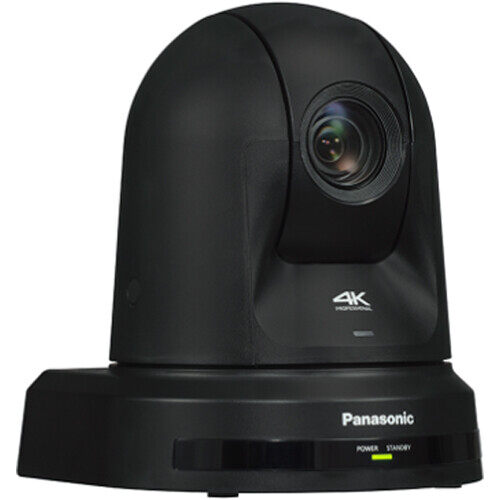
Some sanctuaries remain very quiet during prayer, scripture readings, weddings, or classical performances. In those spaces, audible PTZ movement can be distracting. The Panasonic AW-UE50 uses a quiet direct-drive motor and suits permanent installations where camera noise and reliability matter.
The 24x optical zoom provides enough reach for many medium and large churches. Its wide end can also cover a platform or choir without requiring the camera to sit far away.
Panasonic supports remote controllers, web control, presets, PoE+, SDI, HDMI, USB, and IP workflows. Built-in single-person tracking can follow a pastor when an operator is unavailable. A larger Panasonic system can also manage several cameras from one control position.
Plan the 4K signal path:
- UHD 4K is available through HDMI.
- 3G-SDI and common IP workflows are intended for HD delivery.
- PoE+ can reduce wiring at the camera position.
- Presets and remote controllers support multi-camera operation.
The AW-UE50 costs more than the entry and midrange options. Its value comes from quiet operation, mature control options, and long-term integration.
How to Choose a PTZ Camera for Church
-
Measure the camera-to-platform distance.
Optical zoom should match the room, not the congregation count. A 5x camera can work well near the platform. A rear camera in a medium sanctuary usually needs around 20x. Deep rooms may need 24x or 30x.
-
Choose the signal path before choosing 4K.
HDMI works well for short runs near a streaming computer. SDI uses locking connectors and is safer for long permanent cable runs. NDI sends video and control over the network. It can simplify a multi-camera installation, but the network must have enough bandwidth and proper configuration. Confirm that the camera and switch use compatible PoE standards.
-
Decide between tracking and presets.
Auto tracking helps when one pastor moves around and volunteers are busy with other tasks. Presets are often more predictable during worship, choir performances, or services with several people on stage. Many churches use tracking for the sermon and saved positions for the rest of the service.
-
Check low-light and exposure behavior.
The pastor may stand under bright stage lights while the congregation remains dark. Small-sensor PTZ cameras can add noise or overexpose faces when lighting changes. Improve platform lighting and test face exposure, white balance, autofocus, and stained-glass backlighting in the actual room.
-
Budget for the complete system.
Include wall or ceiling mounts, safety cables, SDI converters, capture cards, PoE switches, a controller, networking work, and installation labor. For several angles, plan the full multi-camera live streaming workflow before purchasing the first camera.
Where to Place PTZ Cameras in a Church
- Rear center: Use this position for the main sermon close-up. It provides a natural view of the platform and predictable left-to-right movement.
- Side position: Use a second camera for the worship team, musicians, baptisms, or a wider platform angle.
- Wide safety shot: Keep one camera on a stable wide view. The director can cut to it while another PTZ camera moves to a new preset.
Avoid mounting a camera so high that every shot looks down at the speaker. Keep it away from vibrating speaker cabinets, direct stage lights, and stained-glass windows that can dominate exposure.
Frequently Asked Questions
What is the best PTZ camera for a small church?
The OBSBOT Tail 2 works well when the camera can sit near or midway to the platform and AI tracking can reduce volunteer workload. The AVKANS AV-CM20-NDI provides more optical reach at a lower price, but it requires more setup.
How much optical zoom does a church PTZ camera need?
Use around 5x for close or mid-room placement. A medium sanctuary often needs 20x. A deep sanctuary or rear balcony position may require 24x or 30x. Test the proposed position before buying.
Is 1080p enough for church live streaming?
Yes. A well-exposed 1080p60 image is enough for most YouTube, Facebook, and embedded church streams. Choose 4K when you need local 4K recording, greater cropping room, or a longer upgrade cycle.
Is NDI better than SDI for a church?
Neither is always better. SDI is simple, reliable, and suitable for long cable runs. NDI carries video and control over an Ethernet network and can reduce cabling in a multi-camera system. NDI requires more network planning.
Can one volunteer control several PTZ cameras?
Yes. Presets, auto tracking, browser controls, Stream Deck integrations, and a joystick can allow one volunteer to operate several cameras. Keep a wide safety shot available whenever another camera is moving.
Should a church choose auto tracking or a joystick?
Choose tracking when the main subject is one moving speaker. Choose a joystick when framing changes need creative judgment or several people share the platform. Many churches use tracking during sermons and presets or joystick control during music.
Final Recommendation
Choose the PTZ camera that solves the church's main production problem. OBSBOT Tail 2 reduces staffing pressure in closer setups. AVKANS stretches a small budget. PTZOptics adds longer-range tracking. AIDA supports mixed SDI and IP workflows. Lumens provides 30x reach, while Panasonic suits quiet permanent installations. Measure the room, confirm the signal path, and test lighting before ordering. Those decisions will affect the weekly stream more than resolution alone.