Best Cameras for Church Live Streaming in 2026: 9 Picks for Every Setup

Church live streaming creates challenges that ordinary indoor video does not. The platform may be bright while the congregation remains dark. The camera may sit dozens of feet from the speaker. One volunteer may need to manage video, audio, slides, and the stream.
The best camera for church live streaming must therefore match the sanctuary depth, lighting, available operators, cable runs, and total system budget.
This guide compares nine PTZ cameras, camcorders, and mirrorless cameras. The recommendations cover small churches seeking affordable 4K video, budget systems around $1,000, and larger venues that need optical zoom, SDI or IP connectivity, and multi-camera support.
Quick Comparison: Best Church Live Streaming Cameras
Approximate US prices below are for the camera or body only. Lenses, controllers, NDI licenses, capture devices, mounts, and cabling may increase the final system cost.
| Camera | Type | Best Church or Use | Video | Reach | Workflow and Staffing | Budget Position |
|---|---|---|---|---|---|---|
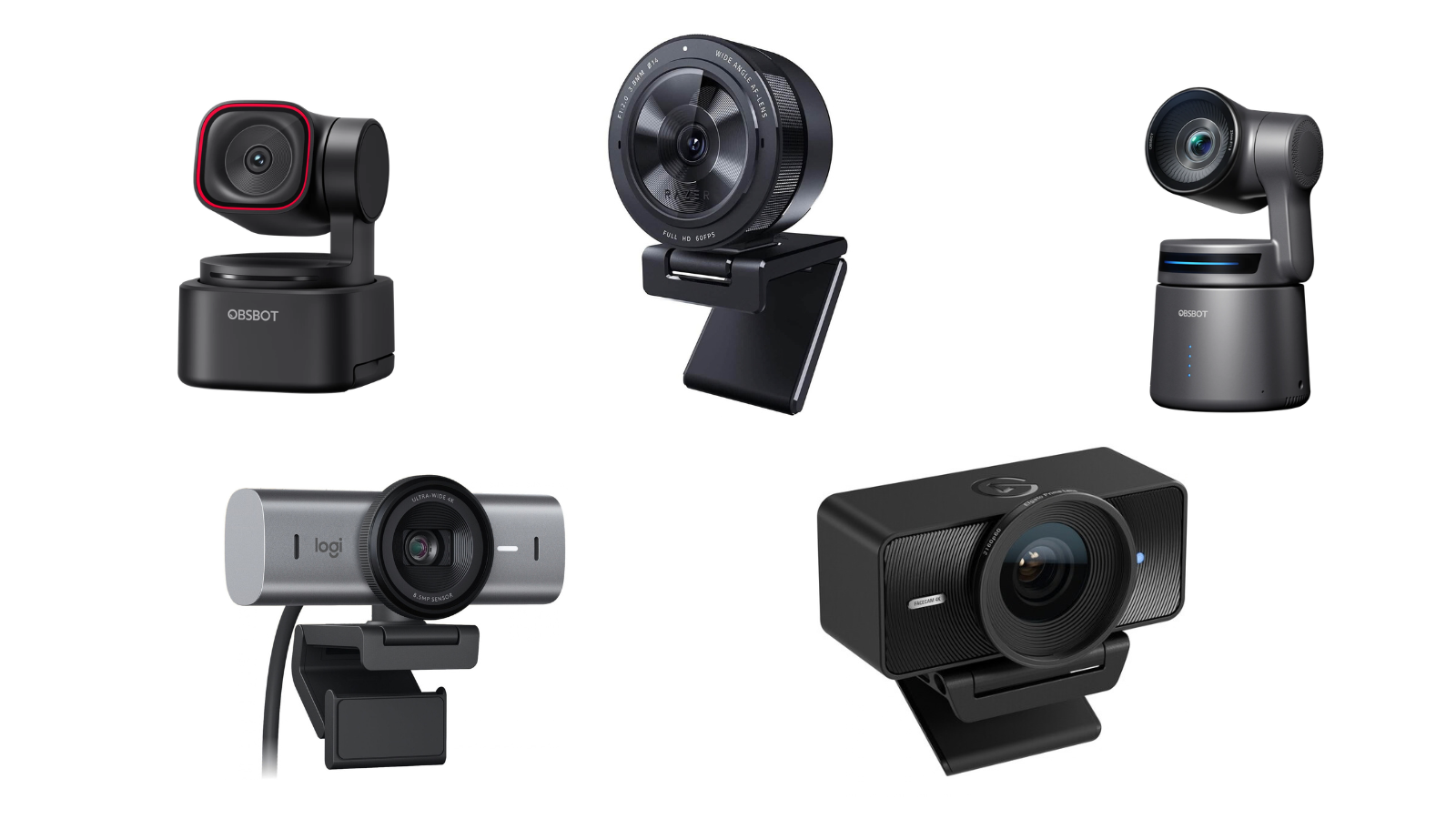
| OBSBOT Tail 2 | AI PTZ camera | Volunteer-led production and moving speakers | Up to 4K60 | 5x optical; 12x hybrid | SDI, HDMI, USB-C and IP/NDI; AI tracking | Approx. $1,199 |
| OBSBOT Tail Air | Compact AI PTZ camera | Small churches and portable setups | Up to 4K30 | Digital zoom; short to medium range | HDMI, USB-C and IP; NDI available separately | Approx. $499; $598 with NDI |
| Canon CR-N300 | Installed PTZ camera | Deep sanctuaries and permanent installations | Up to 4K30 | 20x optical zoom | SDI, HDMI and IP; presets and remote control | Approx. $2,400 |
| Canon VIXIA HF G70 | Camcorder | Simple, operator-controlled church streams | Up to 4K30 | 20x optical zoom | HDMI or USB workflow; familiar controls | Approx. $1,200 |
| Canon XA75 | Professional camcorder | Churches using SDI and external audio | Up to 4K30 | 15x optical zoom | 3G-SDI, HDMI, USB-C and dual XLR | Approx. $3,000 |
| Panasonic HC-X2100 | Professional camcorder | Long services and distant platforms | Up to 4K60 | 24x optical zoom | 3G-SDI, HDMI, XLR and network features | Approx. $2,199 |
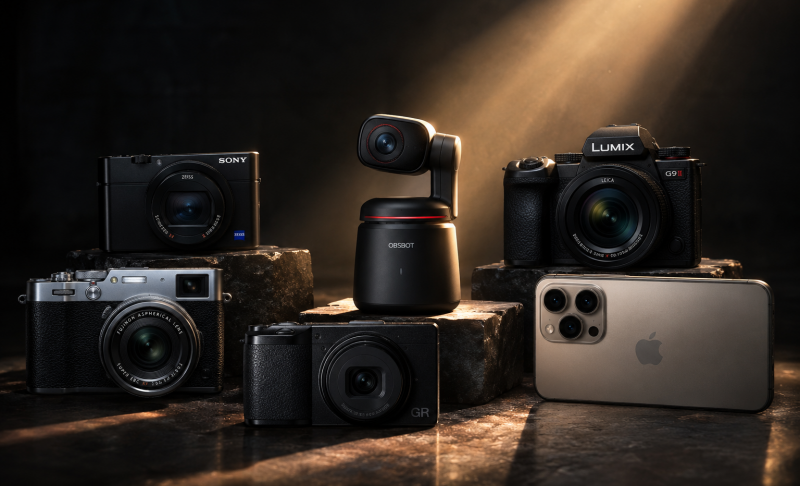
| Sony ZV-E10 II | APS-C mirrorless camera | Small churches wanting a close 4K angle | Up to 4K60 | Interchangeable lens | Micro HDMI or USB; lens and power required | Approx. $1,199 body only |
| Sony A7S III | Full-frame mirrorless camera | Dark sanctuaries and premium low-light video | Up to 4K120 | Interchangeable lens | Full-size HDMI; capture device normally required | Approx. $3,500–$4,000 body only |
| Panasonic Lumix GH7 | Micro Four Thirds mirrorless camera | Staffed multi-camera productions | Up to 5.7K60 internally | Interchangeable lens | Full-size HDMI and active cooling | Approx. $2,200 body only |
Best PTZ Cameras for Church Live Streaming
1. OBSBOT Tail 2: Best Overall for a Small Production Team
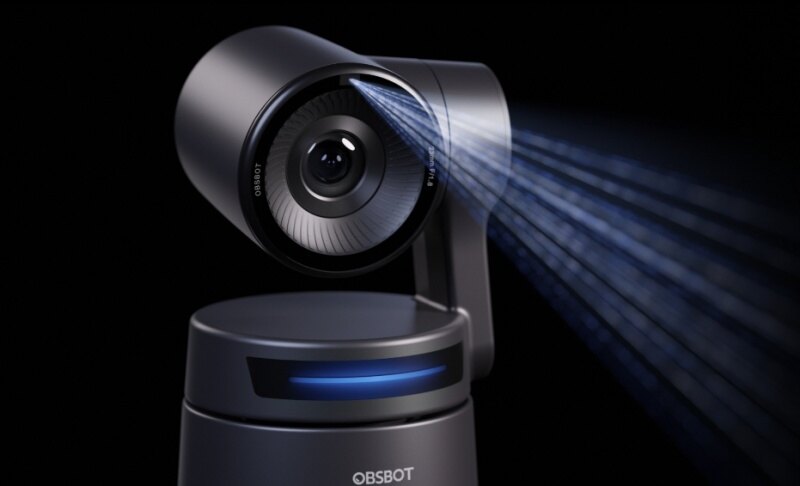
The OBSBOT Tail 2 reduces the need for a dedicated camera operator. It can track a pastor while another volunteer manages OBS, audio, or presentation slides.
Why it works during a service:
- AI tracking keeps a moving speaker in frame.
- Gesture control allows basic framing changes from the platform.
- The 5x optical zoom provides real lens reach.
- 4K60 keeps movement smooth and allows limited cropping.
- SDI, HDMI, USB-C, and IP/NDI support different production systems.
This is especially useful when a church has more production tasks than volunteers. Tracking can create a more active shot without requiring constant joystick input.
Main limitation: A small church should confirm that automated tracking and professional connections will reduce its workload before paying for features it may not use.
2. OBSBOT Tail Air: Best Budget Church Streaming Camera
The Tail Air brings AI tracking and 4K video into a much smaller budget.
Its lower price leaves room for other essentials:
- A tripod or wall mount
- Continuous power
- An HDMI capture device
- A direct feed from the church soundboard
- Basic lighting for the platform
The compact body can sit closer to the platform without blocking sightlines. It works well in chapels, youth rooms, portable churches, and small sanctuaries.
Placement matters: The Tail Air relies on digital rather than optical zoom. Place it at short or medium distance. It is not intended to produce tight close-ups from the rear of a deep room.
Standard models cost about $499. An NDI-activated package costs more, so check whether the church will actually use an IP video workflow.
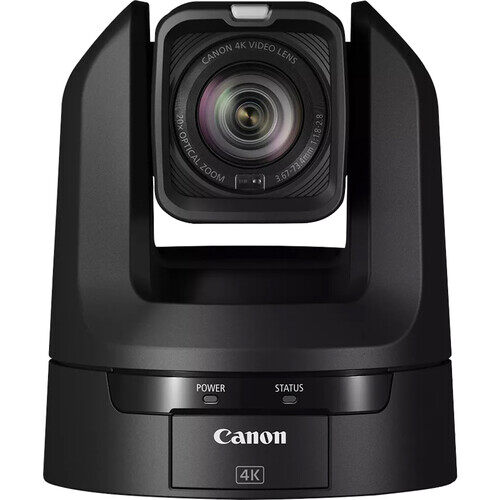
3. Canon CR-N300: Best 4K PTZ Camera for a Deep Sanctuary
A long sanctuary requires genuine lens reach. The Canon CR-N300 provides 20x optical zoom, allowing it to frame a speaker from the rear without heavy digital cropping.
Why it fits permanent installations:
- SDI supports longer cable runs to a control booth.
- IP control allows remote operation.
- Saved positions can cover the pulpit, choir, worship leader, and baptism area.
- Multiple Canon PTZ cameras can use a consistent control workflow.
The CR-N300 is best when the church already has a switcher, network plan, or production booth. Its installation features may be unnecessary for a single-camera stream beside a laptop.
Budget beyond the camera: Include mounting, cabling, control equipment, and any optional tracking software.
Best Camcorders for Church Live Streaming
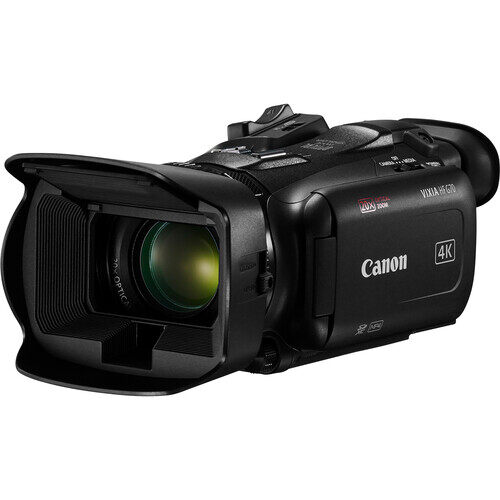
4. Canon VIXIA HF G70: Best Simple Camcorder for Church Services
The VIXIA HF G70 is designed for straightforward video operation. The lens is attached, the controls are familiar, and volunteers do not need to learn an interchangeable-lens system.
Its 20x optical zoom can move between:
- A wide view of the platform
- A medium worship-team shot
- A tighter sermon framing
The camera is easier to hand from one volunteer to another than a mirrorless setup with separate lenses, adapters, and power accessories.
Low-light trade-off: Its smaller sensor needs adequate platform lighting. It cannot match the Sony A7S III in a dark sanctuary, but it provides more built-in reach at a much lower total cost.
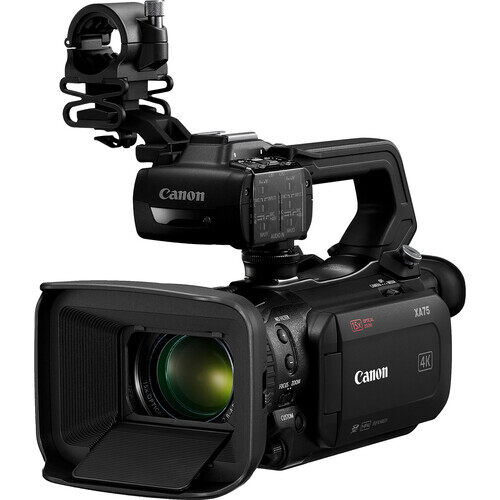
5. Canon XA75: Best Camcorder for SDI and Audio Integration
The Canon XA75 is built for churches that need reliable connections between the sanctuary and a production booth.
Its 3G-SDI port uses a locking BNC connector. This is safer for long, permanent cable runs than an unsecured HDMI connection.
Workflow advantages include:
- Dual XLR inputs for mixer or microphone signals
- Dual SD card slots for relay or backup recording
- A 1-inch sensor for better image quality than smaller-sensor camcorders
- 15x optical zoom for rear or mid-room placement
- USB-C UVC output for compatible computer workflows
The XA75 is most useful when the church already uses SDI and balanced audio. For a camera placed next to a streaming laptop, the professional I/O may not justify its higher price.
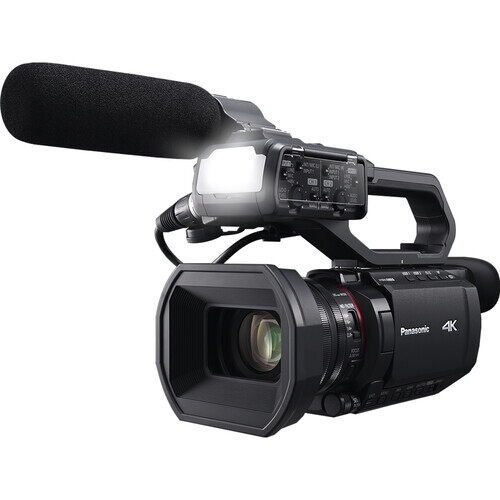
6. Panasonic HC-X2100: Best for Long Services and Distant Subjects
The Panasonic HC-X2100 combines long optical reach with a video-first design.
Its 24x optical zoom can cover processions, worship teams, sermons, and special events without changing lenses. It also records up to 4K60 for smoother movement.
It suits churches that need:
- A rear-of-room operated camera
- Reliable recording through long services
- SDI or HDMI output
- XLR audio connections
- A wide-to-telephoto lens in one body
Image consideration: The smaller sensor benefits from good platform lighting. Its strengths are consistent operation, long zoom reach, and fewer accessories than a mirrorless system.
Best Mirrorless Cameras for Church Live Streaming
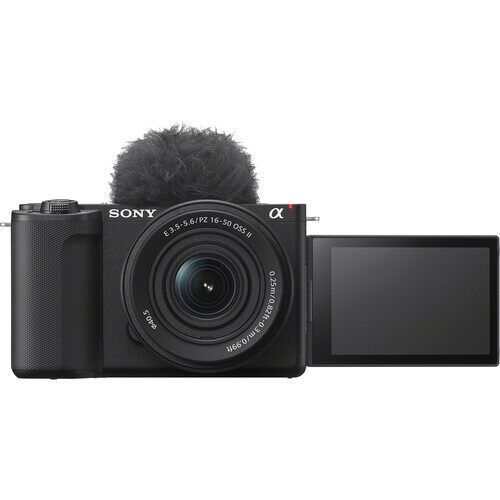
7. Sony ZV-E10 II: Best Compact 4K Mirrorless Camera for a Small Church
The Sony ZV-E10 II works best as a nearby platform camera or fixed worship-team angle.
Its APS-C sensor can create a cleaner image than many entry-level camcorders. It also records up to 4K60 and supports a wide range of Sony E-mount lenses.
Plan for the complete setup:
- A suitable lens
- Continuous USB or AC power
- A tripod or fixed mount
- A micro-HDMI cable
- A capture device when needed
- Audio from the church mixer
The current body price is about $1,199. The final cost will be higher after adding a lens and streaming accessories.
It remains a good small-church option when image quality matters and the camera can stay close to the platform.
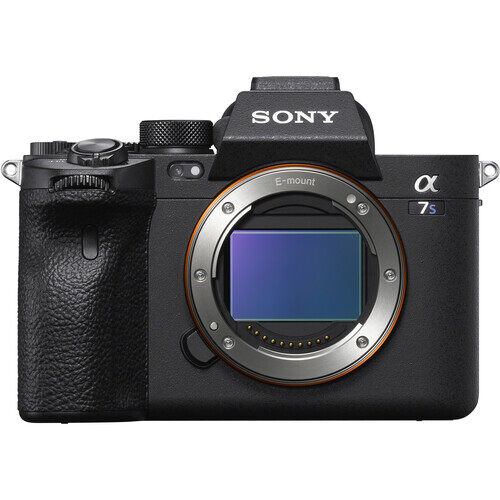
8. Sony A7S III: Best for Low-Light Church Video
The Sony A7S III is designed for situations where lighting cannot easily be improved.
Its full-frame sensor helps preserve faces and shadow detail without adding excessive noise. This is valuable in traditional sanctuaries, candlelit services, and worship spaces that remain intentionally dark.
What the higher price provides:
- Strong low-light performance
- Wide dynamic range
- Reliable autofocus
- High-frame-rate 4K recording
- A more secure full-size HDMI port
The A7S III works best as an operated close-up camera or premium fixed angle. It still needs a lens, continuous power, mounting, and capture hardware.
If limited staffing is the main problem, a remotely controlled PTZ camera may solve more production issues.
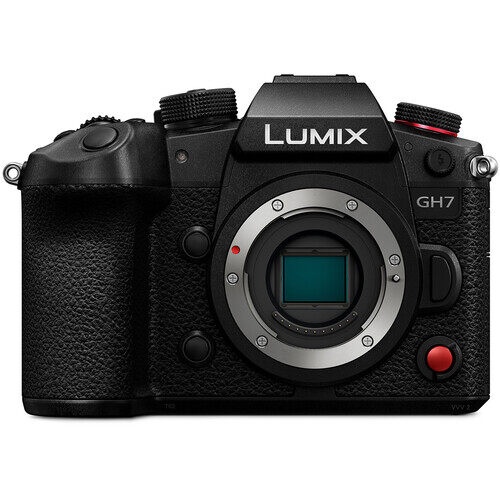
9. Panasonic Lumix GH7: Best for a Multi-Camera Church Production
The Lumix GH7 is suited to churches with a staffed video team and a hardware switcher.
Its Micro Four Thirds lens system provides useful telephoto reach without requiring very large full-frame lenses. Active cooling also supports longer recording sessions.
In a multi-camera system, the GH7 can serve as:
- A close speaker angle
- A worship-team camera
- A side view of the platform
- A high-quality local recording camera
Matching cameras, frame rates, white balance, and exposure will make switching look more consistent.
For more help planning camera roles and switching, read this guide to multi-camera live streaming.
Who should skip it: The GH7 is not the easiest choice for one volunteer. It makes more sense when the church already understands lenses, continuous power, HDMI routing, and camera matching.
Key Features to Look for in Cameras for Church Live Streaming
-
Low-Light Performance: Sanctuaries often keep the audience dark while using limited stage lighting. A larger sensor and bright lens can reduce noise and preserve faces. Compare low-light ability together with lens reach.
-
Dynamic Range and Exposure: A bright pulpit and dark seating area can exceed a camera's exposure range. Look for manual exposure, highlight protection, and wide-dynamic-range modes that remain stable as the speaker moves.
-
Strong Optical Zoom: Deep sanctuaries need real lens reach. A 20x–30x optical zoom can produce expressive close-ups from the rear of the room and preserve more detail than digital cropping.
-
PTZ and Tracking: PTZ presets can cover the pulpit, choir, and worship leader. Tracking can follow a moving pastor. Confirm whether it is built in or requires a computer, license, or controller.
-
SDI, NDI/IP, or HDMI: HDMI suits short runs. SDI provides locking connectors for long permanent cables. NDI/IP carries video and control over a network but requires enough bandwidth and correct configuration.
-
Multi-Camera Support: A useful three-camera system includes a wide shot, speaker close-up, and worship angle. Match resolution, frame rate, color, and exposure, and confirm that the switcher has enough inputs.
Frequently Asked Questions
What is the best camera for live streaming a church service?
For a church with limited volunteers, the OBSBOT Tail 2 combines 4K video, AI tracking, remote operation, and multiple connection options. A deep sanctuary that prioritizes optical reach may be better served by the Canon CR-N300 or a long-zoom camcorder.
What is the best camera for a small church live stream?
The OBSBOT Tail Air suits small churches that need automated tracking at a lower price. The Canon VIXIA HF G70 is better when a volunteer will manually operate the camera. The Sony ZV-E10 II provides a stronger large-sensor look but requires a lens and additional streaming equipment.
Can a church build a 4K camera system for around $1,000?
Yes, but the budget must cover more than the camera. The Tail Air leaves room for mounting, cables, capture hardware, and continuous power. A mirrorless body around $1,000 usually exceeds the budget after adding a lens and accessories.
Is a PTZ camera better than a camcorder for church streaming?
A PTZ camera is better for permanent mounting and remote operation. A camcorder is often easier when a volunteer stands behind the camera. Staffing, placement, and cable distance matter more than resolution alone.
How many cameras does a church need?
One camera is enough for a stable starting setup. Two cameras add a wide safety shot and close-up. Three cameras can separately cover the speaker, worship team, and full platform.
Final Recommendation
The best camera for church live streaming depends on the production bottleneck. Choose the OBSBOT Tail 2 when AI tracking can reduce volunteer workload, or the Tail Air for a smaller budget and closer placement. The Canon CR-N300 and long-zoom camcorders suit deeper sanctuaries. Mirrorless cameras provide better low-light or image quality but require lenses, power, and capture hardware. Before buying, measure the camera distance, review the lighting, count available operators, and choose HDMI, SDI, or IP. These decisions matter more than resolution alone.