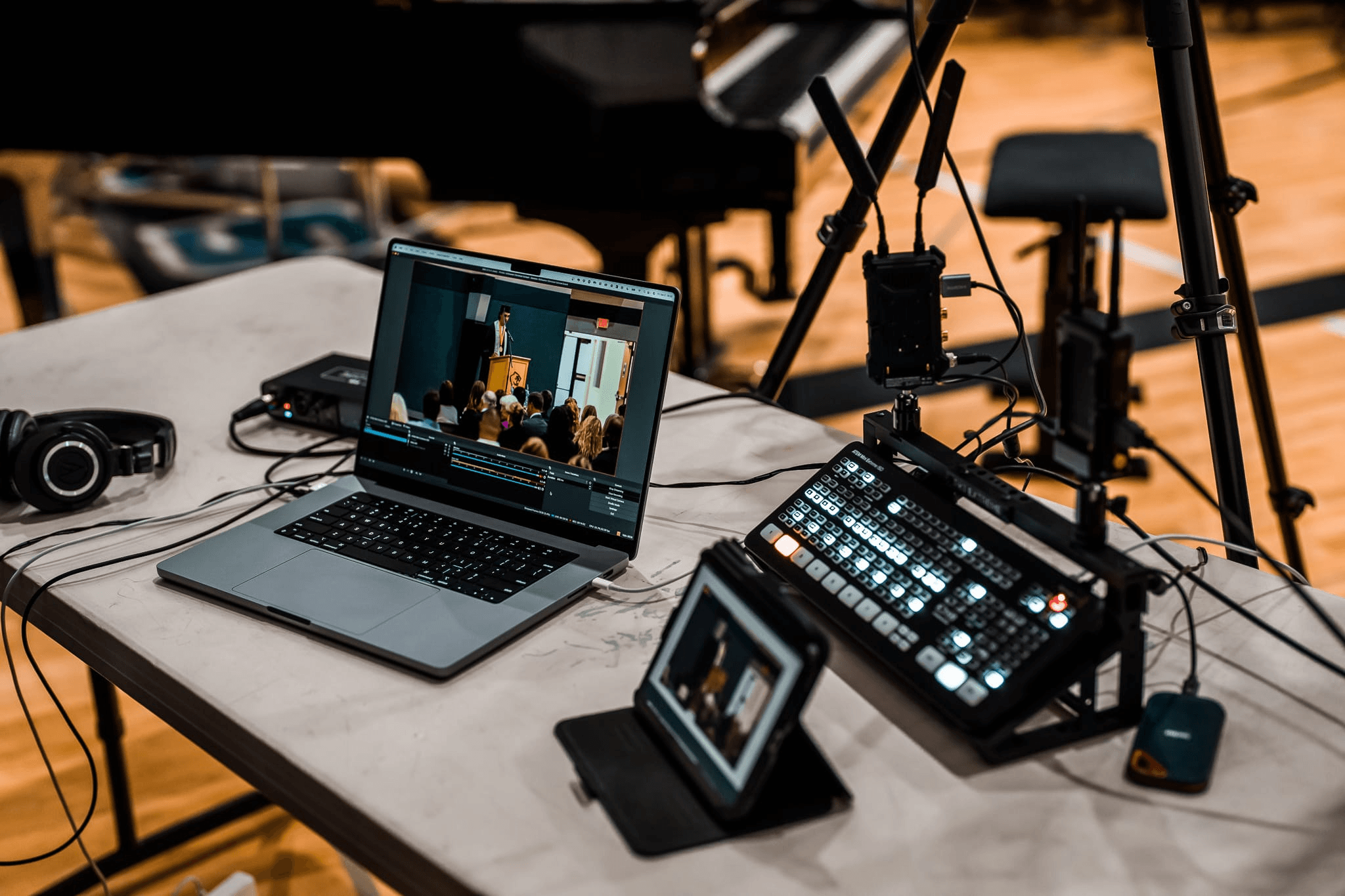
Best Live Shopping Platforms: Find the Right One for Your Business

A live shopping platform combines real-time video, live chat, and in-stream checkout into a single session. Viewers watch a host demo a product, ask questions, and buy without leaving the stream.
Two models dominate:
- Broadcast (one-to-many): One host, many viewers, high volume. Works best under $500 AOV.
- Consultation (one-to-one): Private video between a rep and a single buyer. Conversion runs 40–70%. Best for luxury and high-consideration purchases.
Overall, live shopping converts at 9–30% versus the 2–3% average for static product pages — and that gap is why brands are moving fast. This guide covers the seven best live shopping platforms.
Best Live Shopping Platforms
| Platform | Best For | Pricing | Checkout | White-Label | Audience |
|---|---|---|---|---|---|
| Sprii | Retail brands, multichannel | From $1,055/mo | Shopify, WooCommerce, Magento | Yes | Owned + social |
| LiveMeUp | SMBs, Shopify stores | From $49/mo, free tier | Shopify, PrestaShop, WooCommerce | Yes | Owned site |
| Channelize.io | Dev teams, custom builds | Free tier + paid plans | Shopify, Magento, WooCommerce, Wix | Yes (API) | Owned site + apps |
| Bambuser | Enterprise, luxury brands | Lite to Enterprise | Shopify, Salesforce, SAP, headless | Yes | Owned site |
| TikTok Shop | Creators, discovery brands | Commission on sales | TikTok + Shopify native | No | TikTok's audience |
| Whatnot | Collectibles, drops, auctions | 12–12.5% commission | Whatnot checkout | No | Whatnot's audience |
| Amazon Live | Amazon sellers | Free (seller fees apply) | Amazon checkout | No | Amazon's audience |
1. Sprii

Sprii is built for retailers running live shopping as a recurring revenue channel. From one dashboard, you simulcast to your website, Facebook, Instagram, and YouTube at the same time. Order management, inventory sync, abandoned cart notifications, and post-show analytics all live in the same place — which matters when you're going live weekly. Pricing starts at $1,055 a month, targeting mid-market and enterprise brands in fashion, beauty, and electronics. One Shopify merchant summed it up: "customers can comment and buy right from the stream, which made a big difference in sales." If you need a live stream shopping platform that operates like a retail channel — not a social media experiment — Sprii is the one to evaluate.
- Multichannel simulcasting to website, Facebook, Instagram, and YouTube
- Automated order management, inventory sync, and abandoned cart notifications
- Branded overlays and gamification tools (polls, quizzes)
- Shopify, WooCommerce, and Magento integration with automatic catalog import
- Post-show shoppable clips for ongoing social distribution
2. LiveMeUp

LiveMeUp was built because other live shopping apps were too expensive or too complex for smaller merchants. It's Shopify-native: viewers watch and buy directly on your store, no separate app required. Checkout stays on-brand and frictionless, and the 5.0 Shopify App Store rating reflects that. Pricing starts at $49/month with a free tier, making it the most accessible dedicated live selling app in this list. Auto-generated replays convert every session into a shoppable video on your product pages, extending the ROI indefinitely. For small businesses asking which livestream shopping app delivers the most without a steep learning curve, LiveMeUp is the clear answer.
- One-click Shopify setup; streams run natively on your store — no viewer app needed
- Auto-generated shoppable replays published to product pages post-event
- Real-time product feed sync prevents overselling during demand spikes
- SMS reminders to boost attendance from pre-registered viewers
- Flat pricing by streaming hours — no surprise charges as your audience grows
3. Channelize.io

Channelize.io is a PaaS product — brands embed live shopping into their own websites and mobile apps via APIs, SDKs, and pre-built UI kits. No traffic redirects to a third-party marketplace. It connects natively with Shopify, WooCommerce, Magento, PrestaShop, and Wix. Brands on the platform report a 36% sales increase and 50% reduction in cart abandonment. A free plan covers four events per month, making it one of the few live commerce platforms where you can run real events before paying anything. Multi-host selling and multistreaming are on paid tiers. The right pick for developer teams that want full control over the buyer experience.
- API, SDKs, and UI kits for white-label integration on web and mobile
- In-show product spotlight and one-click add-to-cart without leaving the video
- Multi-host selling for co-hosted shopping shows
- Multistreaming to YouTube, Facebook, and custom RTMP on paid plans
- Real-time and post-event analytics for sales, engagement, and KPIs
4. Bambuser

Bambuser targets enterprise fashion, beauty, and luxury brands with two modes most platforms don't combine: one-to-many broadcast and one-to-one video consultations. That consultation mode turns a brand rep into a personal shopper, where average order values climb well above the typical live commerce range. HUGO BOSS uses it for live events; Pai Skincare achieved a 17% conversion rate and generated 10% of e-commerce revenue from Bambuser shows. Pricing runs from Lite to Enterprise with dedicated client management. If your buyers spend over $500 per order and personal trust drives the sale, Bambuser's dual-mode model is worth a proper evaluation.
- One-to-many broadcast and one-to-one consultation modes in a single platform
- Custom-branded video player with full theming on Enterprise plans
- Product tagging, live chat, polls, and direct in-stream purchasing
- Integrations with Shopify, BigCommerce, Salesforce Commerce Cloud, SAP, and headless stacks
- Dedicated client manager and show monitoring on Enterprise tier
5. TikTok Shop

TikTok Shop's algorithm is its real product: it sends your items to new buyers without paid advertising, purely through watch time and engagement. Global GMV hit $64.3 billion in 2025 — a 94% year-over-year jump — with projections of $112 billion by end of 2026. There's no subscription fee; TikTok takes a commission on sales. Best for beauty, fashion, and gadget brands targeting under-40 shoppers who trust creators over brand ads.
- Algorithm-driven discovery reaches new audiences without paid promotion
- Native in-app checkout — viewers buy without leaving TikTok
- Creator marketplace for influencer partnerships and affiliate tracking
- Live gifting and interactive Q&A to extend session time
- Shopify native integration for automatic catalog and order sync
6. Whatnot

Whatnot is a livestream shopping platform built around real-time auctions and drops. Sellers drove $8 billion in GMV in 2025, more than doubling the prior year. Buyers average 95 minutes per day in the app, with 80%+ monthly retention. The auction format creates urgency that static listings can't replicate. It started with collectibles and is expanding fast into beauty, fashion, and electronics. Sellers pay a 12–12.5% commission with no upfront subscription. For independent sellers in high-interest or limited-edition categories, Whatnot's built-in buyer community is hard to match.
- Real-time auction format drives competitive bidding and impulse purchasing
- 80%+ monthly buyer retention — among the highest in live commerce
- No subscription fee — 12–12.5% commission on sales only
- Live drops with countdown timers and waitlists for limited releases
- 95-minute average daily session time per user
7. Amazon Live

Amazon Live places your stream in three spots simultaneously: the product listing page, the Amazon Live hub, and search results. No standalone live shopping app matches that placement. It's free for approved sellers and Amazon Influencer Program members, with one-click purchasing built directly into the video player. Hosts can issue live-only discount codes to create urgency without touching the main listing price. Best for brands already selling on Amazon with products that benefit from demonstration — tech, kitchen, skincare, and fitness categories all convert well here.
- Streams appear on product listings, Amazon Live hub, and search results at once
- One-click purchase from the video with no viewer app download required
- Live-only discount codes to reward viewers and create urgency
- Free to access for approved sellers and Influencer Program members
- Backed by Amazon's same-day and next-day fulfillment infrastructure
Bonus: OBSBOT Talent Live Streaming Studio
OBSBOT Talent packs an encoder, switcher, recorder, and monitor into one compact device. If your live shopping setup calls for multiple camera angles — close-ups on product details, a wide host shot, a second presenter — Talent connects multiple PTZ cameras via NDI, streams to multiple platforms at once, and lets you control everything from a touchscreen, no camera operator required. For brands running live commerce events weekly, it closes the gap between a small team and a broadcast-quality production.
- Solo multi-camera control: manage up to three PTZ cameras from one touchscreen
- Stream to multiple platforms at once via Wi-Fi, Ethernet, or 4G LTE
- Real-time scene switching with PiP overlays and countdown timers for product demos
- Redundant connectivity keeps the stream alive if one connection drops
- Built-in recording turns every session into reusable shoppable video content
How to Choose the Right Live Shopping Platform for Your Business
Start with your average order value (AOV). That single number determines which platform type actually fits your business before you look at any feature list.
- Under $200: Use broadcast platforms — TikTok Shop, Whatnot, or LiveMeUp. Volume justifies commission or low subscription costs.
- $200–$1,000: Test both a marketplace and a white-label solution. Run a few events and let the data decide.
- Over $1,000: Use Bambuser's consultation model or a white-label platform like Channelize.io. High-ticket buyers need personalization, not a marketplace scroll.
Six questions to ask before signing:
- Does the event run on my domain, or redirect to a third-party marketplace?
- Who owns the customer data collected during the stream?
- Does checkout integrate with my existing stack without a separate payment flow?
- Is pricing flat-fee, GMV-based, or per-viewer?
- Can the platform handle my peak concurrent viewer count?
- Is there a free trial before committing to an annual contract?
Common Live Shopping Mistakes — and How to Avoid Them
Mistake 1: Choosing a platform before defining AOV. A broadcast tool for $30 impulse buys won't close $2,000 orders. Run the matrix above first.
Mistake 2: Going live with no pre-event promotion. Build at least 72 hours of email and social lead-up. Viewers don't show up to events they don't know about.
Mistake 3: Using a marketplace platform for high-ticket products. You lose first-party data and brand control. White-label keeps buyers on your domain.
Mistake 4: Testing checkout live for the first time. Do a full dry run — cart, purchase, inventory deduction — before the real stream.
FAQs About Live Shopping Platform
How does live streaming shopping work on platforms like Alibaba and Shopify?
On Alibaba's Taobao Live, sellers and KOLs host streams inside the Taobao app. Viewers chat, ask questions, and tap to purchase in one place. On Shopify, apps like LiveMeUp or Channelize.io recreate that experience by embedding a live video player directly into your storefront and routing purchases through your existing checkout.
Can I use multiple live shopping platforms at the same time?
Yes. Platforms like Sprii and Channelize.io support native multistreaming. If yours doesn't, a device like OBSBOT Talent pushes one feed to up to six destinations via RTMP.
Do live shopping platforms charge commission or a flat fee?
Both. Marketplace live shopping platforms (TikTok Shop, Whatnot) take a percentage of sales with no upfront cost. SaaS platforms (Sprii, LiveMeUp) charge flat monthly fees — which works out cheaper at higher sales volumes.
Can I integrate live shopping into my existing e-commerce website?
Yes. Channelize.io and Bambuser offer APIs and pre-built integrations for most major live commerce platforms. Shopify merchants can install LiveMeUp or Channelize.io in a few clicks and keep buyers on their own domain throughout.
How do live shopping platforms handle inventory sync during a stream?
Most live shopping platforms connected to Shopify or WooCommerce deduct inventory in real time and pull sold-out products from the in-stream carousel automatically. Run a test purchase in a dry run before going live to confirm the sync works.
Conclusion
Live shopping is reshaping retail by delivering conversion rates far superior to static e-commerce pages. The key to choosing the right live shopping platform lies in alignment: brands must match their Average Order Value (AOV) and growth strategy with either audience-rich marketplaces or high-control, white-label solutions. By avoiding the pitfalls of poor pre-event promotion and mismatched pricing models, businesses can successfully turn real-time engagement into sustained revenue and long-term customer loyalty.