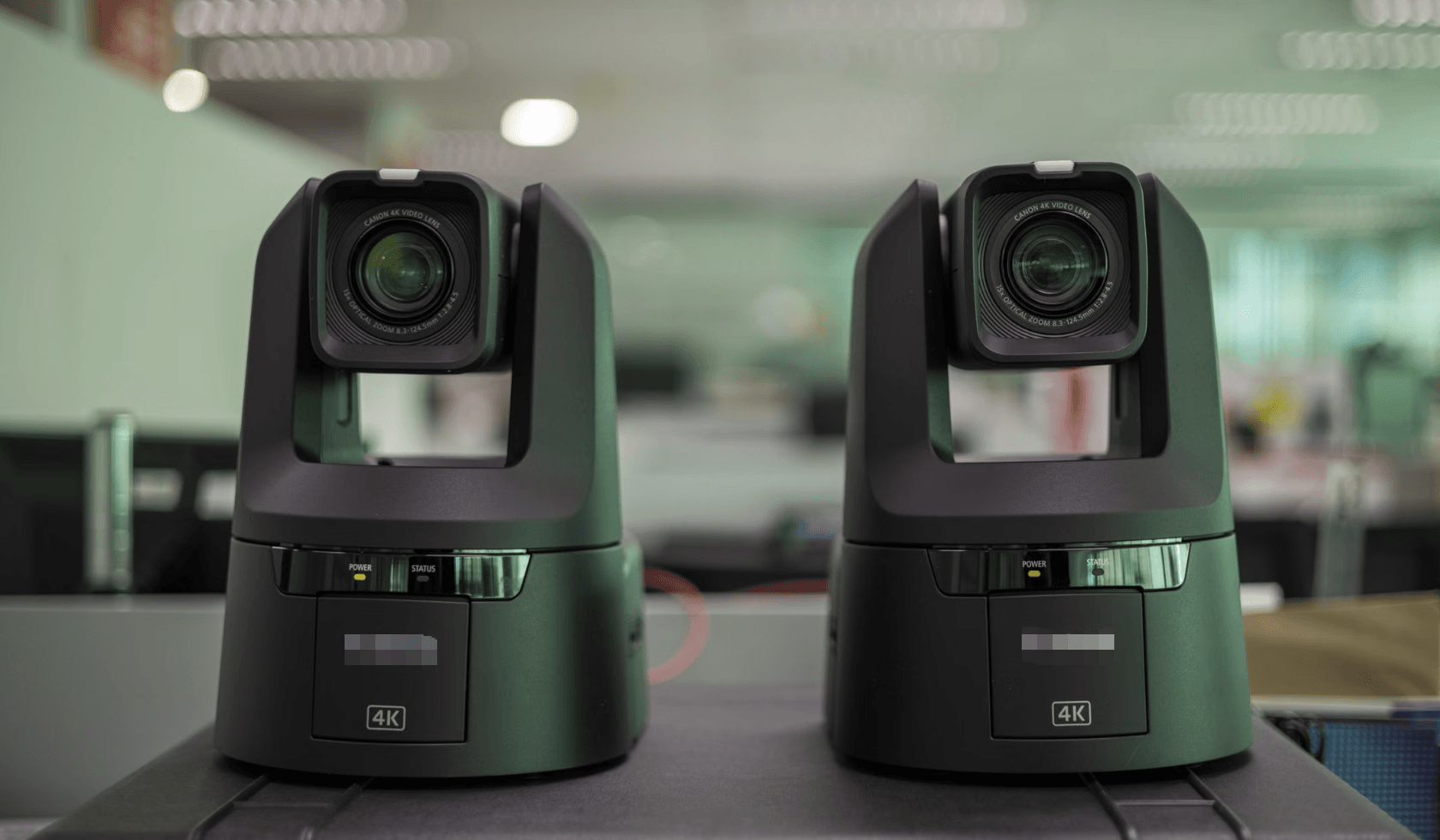
7 Best Blogger Cameras: For Every Content Creator
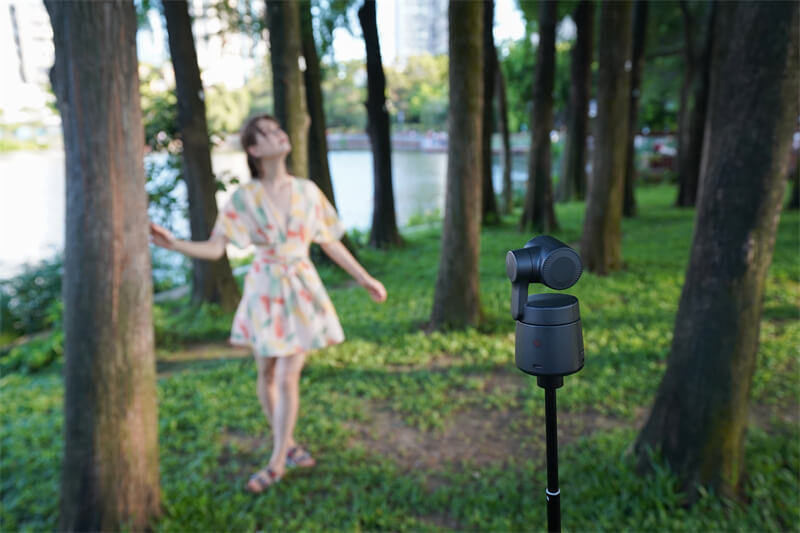
High quality content plays a key role in helping you stand out in a crowded digital space. As platforms become more competitive, viewers expect sharper videos, smoother motion, and clearer audio. With evolving tech like AI tracking, 4K video, and advanced stabilization, choosing the right device matters more than ever. This article will help you discover the best blogger cameras for every style and budget, so you can confidently upgrade your setup and create content that looks professional without complicating your workflow.
Mobile vs Dedicated Blogger Cameras: When Should You Upgrade?
- Smartphones offer convenience but limited control
Stick with your phone while your priority is accessibility and rapid sharing. It remains the right choice until you encounter scenarios requiring interchangeable lenses, superior low-light clarity.
- Dedicated cameras unlock creative flexibility
Transition to a dedicated camera the moment you require specific depth control and cinematic textures. This upgrade is necessary when you need to customize your gear for evolving styles, moving beyond the automated constraints of mobile software to achieve a unique visual identity.
- Upgrade when quality starts limiting growth
If your videos lack clarity, stability, or professional feel, switching to a dedicated camera makes sense. Improved visuals can directly impact audience retention. You may also notice better engagement when your content looks more polished.
- Choose based on your content goals
If you create casually, a smartphone may work fine. If you aim to grow professionally, investing in a blogger camera becomes a smart decision. Your choice should align with how often you create and the level of quality you want to achieve.
Top 7 Blogger Cameras for Every Style and Budget
| Model | Sensor Size | Resolution & Frame Rate | Stabilization | Focus System | Weight | Battery Life |
|---|---|---|---|---|---|---|
| OBSBOT Tail Air | 1/1.8” CMOS | 4K 30fps | 2-axis PTZ Mechanical Gimbal | AI Tracking + Phase Detection | ~350g | ~150 mins |
| Canon PowerShot V10 | 1” CMOS | 4K 30fps | Digital Stabilization | Contrast Detection AF | ~211g | ~55 mins |
| DJI Osmo Pocket 3 | 1” CMOS | 4K 120fps | 3-axis Gimbal | Hybrid AF with Face Tracking | ~179g | ~140 mins |
| Fujifilm X100VI | APS-C X-Trans CMOS | 6K 30fps / 4K 60fps | Digital Stabilization | Hybrid AF with Subject Detection | ~521g | ~350 shots |
| Sony ZV-E10 II | APS-C CMOS | 4K 60fps | Electronic Stabilization | Real-time Eye AF + Tracking | ~377g | ~125 mins |
| Insta360 Ace Pro 2 | 1/1.3” CMOS | 4K 120fps | FlowState Stabilization | AI Tracking + Phase Detection | ~180g | ~100 mins |
| Nikon ZR | APS-C CMOS | 4K 60fps | In-body Stabilization (IBIS) | Hybrid AF with Eye Detection | ~395g | ~90 mins |
OBSBOT Tail Air Streaming Camera
This camera is ideal for hands-free content creation in controlled environments. Its intelligent tracking system allows you to move naturally while presenting, making it perfect for educators, streamers, and presenters. The setup works best when mounted on a tripod, giving you a reliable and consistent filming experience for indoor content. If you're exploring creative content ideas to maximize this type of setup, you can check out OBSBOT vlog video ideas guide.
- AI Tracking: You stay perfectly framed while moving, so you can focus on speaking or teaching instead of adjusting the camera.
- 2-axis PTZ Mechanical Gimbal: You get smooth, steady motion that makes your videos look polished without extra equipment.
- 4K 30fps Video Quality: You capture sharp and detailed footage that looks clear on any platform.
- HDR and Low-Light Performance: You record balanced and bright videos even in challenging lighting conditions.
- Remote and App Control: You control angles, tracking, and settings easily from your phone, which saves time and effort during recording.
Price: $499
Review:

Canon PowerShot V10
This camera focuses on simplicity and ease of use, making it a strong choice for beginners. Its all-in-one design removes the need for extra accessories, allowing you to start recording almost instantly. It's particularly suited for casual creators who want a lightweight, portable option for everyday content.

- All-in-One Design: You don't need extra gear, so you can set up faster and start recording right away.
- Built-In Stand: You can place your camera on any flat surface, which makes filming hands-free and more convenient.
- Integrated Microphone: You get clear audio without needing an external mic, which keeps your setup simple.
- 4K Video Recording: You create sharp and detailed videos that look great on social platforms.
- Ultra-Portable Size: You can carry it easily in your pocket or bag, so you're always ready to capture content on the go.
Price: $499.00
Review:

DJI Osmo Pocket 3
This camera is designed for creators who want a simple, grab-and-go setup without sacrificing professional results. Its compact design makes it easy to carry anywhere, while the intuitive touchscreen and fast subject tracking help you film quickly with minimal setup. It's especially useful for daily vlogging, travel content, and spontaneous shooting situations where speed and convenience matter.

- 3-Axis Gimbal Stabilization: You capture steady, shake-free videos while walking or moving, which makes your content look smooth and professional.
- Compact Pocket Size: You can carry it easily in your pocket, so you're always ready to film wherever you go.
- 4K HDR Video Recording: You create bright, detailed footage with balanced colors, even in mixed lighting.
- Rotating Touchscreen: You can switch quickly between vertical and horizontal shooting, which helps you create content for different platforms.
- Fast Face Tracking: You stay in focus automatically, which makes solo recording easier and more reliable.
Price: $519.00
Review:

Fujifilm X100VI
This camera is built for creators who prioritise visual storytelling and aesthetic quality. It offers a more photography-focused experience, making it ideal for lifestyle bloggers and creatives who want to produce visually distinctive content with minimal setup complexity.

- APS-C Sensor: You capture sharp images with strong detail and natural depth, which makes your content look more refined.
- Film Simulation Modes: You can apply unique color styles instantly, helping you create a consistent and eye-catching visual identity.
- Fixed High-Quality Lens: You get reliable sharpness and clarity without worrying about changing lenses, which keeps your workflow simple.
- Compact Premium Design: You carry a camera that looks stylish and professional, which also makes shooting more enjoyable.
- Advanced Manual Controls: You adjust settings easily, giving you more control over exposure and creative results.
Price: $1,799.00
Review:

Sony ZV-E10 II
This camera is designed for creators who want flexibility and room to grow. Its interchangeable lens system allows you to experiment with different shooting styles, making it a strong choice for vloggers looking to elevate their production quality over time. If you're still comparing options, this detailed guide on the best camera for vlogging can help you evaluate your choices further.

- 26MP APS-C CMOS Sensor: Capture stunning detail with rich colours and sharp clarity. It is perfect for both high-quality photos and professional-looking video content.
- 4K Video at 60fps: Record smooth, cinematic footage with impressive resolution which makes it ideal for vlogs, YouTube videos, and content that demands visual quality.
- Fast Autofocus System: Track subjects accurately with quick and reliable focusing. This ensures your shots stay sharp even during movement or dynamic scenes.
- Advanced Audio Options: Use the built-in mic or connect an external microphone. This gives you clear, professional sound for interviews, vlogs, and voiceovers.
- Vari-Angle LCD Screen: Flip and adjust the screen for easy self-recording which makes framing simple whether you're filming yourself or shooting creatively.
- 16–50mm Versatile Lens: Shoot a wide range of scenes with one flexible lens which is great for everyday vlogging, travel, and creative photography.
Price: $1,298.00
Review:

Insta360 Ace Pro 2
This camera is tailored for creators who film in fast-paced and unpredictable environments. It's built to handle movement, outdoor conditions, and action-heavy scenes, making it a reliable option for adventure and travel-focused content.

- Advanced Stabilization: You record smooth footage even during fast movement, which keeps your videos easy to watch.
- AI-Powered Shooting Modes: You get smart adjustments that improve framing and exposure, which saves time during filming.
- 4K+ Video Quality: You capture clear and detailed footage that looks sharp on social platforms.
- Rugged and Durable Design: You can film in tough conditions without worrying about damage, which makes it great for outdoor use.
- Wide-Angle Lens: You fit more into each frame, which helps you capture action scenes and landscapes more effectively.
Price: $479.00
Review:

Nikon ZR
This camera provides a balanced solution for creators who want both photography and video capabilities in one device. It suits users who need versatility for different types of content without switching between multiple cameras.

- In-Body Stabilization: You capture steady shots while shooting handheld, which helps your videos look smoother without extra gear.
- Hybrid Photo and Video Performance: You can switch easily between photos and videos, which makes your workflow more flexible.
- High-Quality Sensor: You get clear images with strong detail and natural colors, which improves overall content quality.
- Fast Autofocus System: You stay in focus while moving, which makes recording easier, especially when filming alone.
- Ergonomic Design: You hold and control the camera comfortably, which helps you shoot longer without fatigue.
Price: $2,199
Review:

Essential Features For A Good Blogger Camera
- Autofocus ensures sharp and professional visuals
Reliable autofocus keeps your subject clear even when you move. Modern cameras use AI tracking and eye detection, which helps maintain focus without manual adjustments.
- Image quality defines your content standard
High-resolution sensors and 4K video recording improve clarity and color accuracy. Better image quality helps your content look polished and engaging across platforms. Viewers are more likely to stay when visuals appear clean and detailed.
- Stabilization improves viewing experience
Strong stabilization reduces shakiness during handheld shooting. Mechanical systems like gimbals provide smoother results than basic digital stabilization. Smooth footage looks more professional and easier to watch.
- Audio quality strengthens engagement
Clear audio keeps viewers interested and reduces distractions. Cameras with microphone support allow you to improve sound quality significantly. Poor audio can make even high-quality video feel unprofessional.
- AI features simplify content creation
Smart tools like auto-framing, background blur, and subject tracking save time. These features help you focus more on storytelling instead of technical setup. You can produce content faster without sacrificing quality.
Streamlining Your Daily Workflow with Your Blogger Camera
- Use a power bank to extend shooting time
Many cameras support USB charging, allowing longer recording sessions. This is useful for live streaming or extended shoots. You can keep your camera powered without constantly swapping batteries during important recordings.
- Optimize settings for battery efficiency
Lower brightness, disable unused features, and choose efficient frame rates. These small adjustments help extend battery life. You can also turn off wireless connections when not in use to reduce power drain.
- Transfer videos quickly with modern connectivity
Newer cameras support fast wireless transfers, including Wi-Fi 7 technology. You can move files to your phone quickly and start editing immediately. Faster transfers reduce downtime between shooting and publishing your content.
- Build a simple and consistent workflow
Follow a routine: record, transfer, edit, and publish. A streamlined process saves time and keeps your content schedule consistent. You can also create templates or presets to speed up editing.
FAQs about Blogger Cameras
Q1: Which camera do bloggers use?
Many creators prefer cameras like Sony ZV-E10 II or Canon PowerShot V10 because they balance portability, image quality, and ease of use.
Q2: What's the best camera for beginner bloggers?
A beginner-friendly option is Canon PowerShot V10 due to its compact design and simple setup.
Q3: What is the 20 60 20 rule in photography?
This rule suggests that 20% of your shots will be excellent, 60% average, and 20% unusable. It encourages you to take more photos to improve results.
Q4: What kind of camera do most influencers use?
Many influencers use mirrorless cameras like Sony ZV-E10 II or compact options like DJI Osmo Pocket 3 for flexibility and high-quality output.
Conclusion
Choosing the right blogger camera depends on your content style, budget, and long-term goals. Whether you prioritize AI tracking, 4K video, or strong stabilization, each option offers practical benefits that can improve your workflow. Focus on features that match how you shoot, rather than chasing trends or complex specs.