Choosing a camera lens can be confusing when you are faced with different focal lengths, apertures, and lens types. The right choice depends less on having the most advanced specifications and more on how you actually shoot. This guide explains how to choose a camera lens based on your shooting needs, key specifications, compatibility, budget, and shooting style.
Quick Decision Guide
For most beginners, the choice can be simplified further: choose a wide-angle lens for expansive scenes, a standard lens for everyday shooting, and a telephoto lens for distant subjects. Then consider aperture, autofocus, stabilization, and portability based on your specific needs.

Part 1: Choose a Camera Lens Based on Your Shooting Needs
Before comparing focal lengths, apertures, or lens types, define what you need from a camera lens. Your shooting habits will determine which specifications matter most.
Identify Your Needs Before Choosing a Camera Lens
Start by identifying the subjects and situations you photograph most often, such as:
- People and portraits
- Landscapes and architecture
- Street and everyday scenes
- Travel
- Sports and wildlife
- Close-ups and macro
- Video
At this stage, don't worry about choosing a specific focal length. The goal is to understand your most common shooting situations.
Consider Shooting Distance
Think about how far you usually are from your subject. If you often shoot close to your subject, a wider field of view may be more useful. If your subjects are usually farther away, a longer focal length can make it easier to frame them.
Your typical shooting distance is one of the main factors to consider when choosing a camera lens.
Decide Between Versatility and Portability
Consider how you plan to carry and use your camera.
- Need one lens for different situations? A zoom lens offers more flexibility.
- Prefer a smaller, lighter setup? A prime lens may be a better choice.
- Travel frequently? Weight and size may matter more than having the widest possible aperture.
This helps narrow down whether you should prioritize a versatile zoom or a compact prime when choosing a camera lens.
Consider Low-Light Performance
If you frequently shoot indoors, at night, or in other low-light environments, pay more attention to the lens's maximum aperture.
A wider aperture allows more light to reach the sensor and can help you use faster shutter speeds while also creating a shallower depth of field.
Decide How Much Background Blur You Need
If you want strong subject separation and blurred backgrounds, this should be a priority when comparing lenses later in this guide. If background blur isn't important to your photography, you have more flexibility and don't need to prioritize this feature.
Choose a Camera Lens for Photography, Videography, or Both
Your primary use also affects which lens features matter most. Photography relies mainly on focal length, aperture, autofocus, and image quality. Videography requires a few additional considerations, such as focus breathing, autofocus noise, and stabilization.
Part 2: Choose a Camera Lens Based on Key Specifications
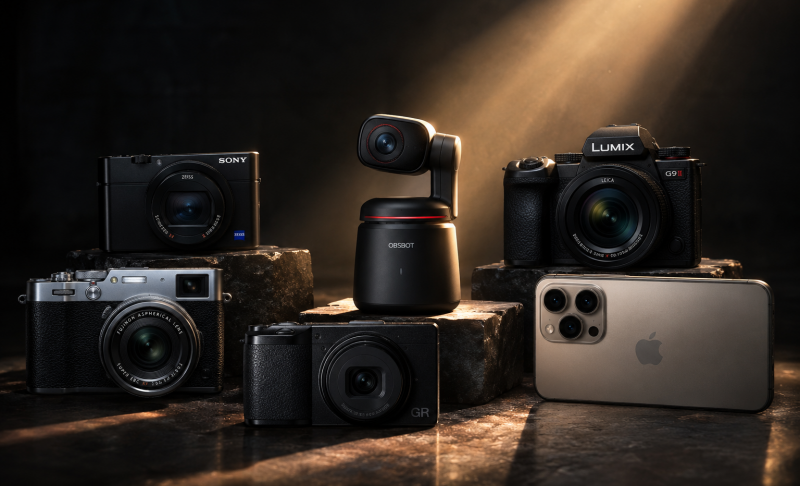
Before choosing a lens, make sure you understand what type of camera you are using and how you plan to shoot. If you're still comparing camera systems, see our guide to different types of cameras to understand the main options and how they differ.
Once you know your camera type and shooting priorities, you can narrow down the lens features that matter most.
| Focal Length | Common Type | Typical Uses |
|---|---|---|
| 16–35mm | Wide-angle | Landscapes, architecture, interiors |
| 24–70mm | Standard zoom | Travel, everyday photography |
| 50mm | Standard prime | Street, portraits, everyday shooting |
| 70–200mm | Telephoto zoom | Portraits, sports, events |
| 100–600mm | Super telephoto | Wildlife, distant sports |
Shorter focal lengths capture more of the scene, while longer focal lengths provide a narrower field of view and make distant subjects easier to frame.
Don't choose a focal length simply because it is popular. Choose one that matches your usual shooting distance and subject.
Choose the Right Aperture for a Camera Lens
Maximum aperture indicates how wide the lens can open. It is expressed as an f-number, such as f/1.4, f/2.8, or f/4.
A wider aperture, such as f/1.4, provides:
- More light for low-light shooting
- Faster shutter speeds when needed
- Shallower depth of field
- Stronger background blur
A lens with f/2.8 is often a practical balance between light-gathering ability, size, and price. An f/4 lens may be sufficient when you mainly shoot outdoors in good light.
Remember that a smaller f-number means a wider aperture.
Choose Between Prime and Zoom Camera Lenses
Prime lenses have a fixed focal length, such as 35mm or 50mm.
They are often a good choice if you prioritize:
- A wide maximum aperture
- Compact size
- Low-light performance
- Simple shooting
Zoom lenses cover a range of focal lengths, such as 24–70mm or 70–200mm.
They are better suited to users who prioritize:
- Framing flexibility
- Convenience
- Travel
- Events and changing shooting distances
Neither type is universally better. Choose a prime if you value simplicity and portability; choose a zoom if you need flexibility.
Part 3: Choose a Camera Lens for Compatibility and Performance
Specifications alone aren't enough. Check whether the lens works well with your camera and shooting style.
Check Lens Mount and Camera Compatibility
The lens mount must be compatible with your camera body. Different camera systems use different mounts, so check compatibility before buying.
Native lenses are designed specifically for a manufacturer's camera system. Third-party lenses can offer competitive performance and pricing, but you should verify autofocus, stabilization, firmware, and other compatibility features for your specific camera.
Full-Frame and APS-C Compatibility
Sensor size affects the field of view you get from a lens.
For example, a 50mm lens produces a narrower effective field of view on an APS-C camera than it does on a full-frame camera. The exact crop factor depends on the camera system.
Also check whether the lens is designed for full-frame or crop-sensor cameras. A full-frame lens can often be used on an APS-C body, but the reverse may result in limitations or a cropped image when used on a full-frame camera.
Autofocus
Fast, accurate autofocus matters most when photographing:
- Sports
- Wildlife
- Children and moving subjects
- Events
- Video
For video, also check whether the autofocus motor operates quietly enough for your recording setup.
Image Stabilization
Optical image stabilization can reduce camera shake during handheld shooting.
It is particularly useful for:
- Low-light photography
- Handheld telephoto shooting
- Handheld video
- Slower shutter speeds
Stabilization doesn't freeze a moving subject, so it cannot replace a sufficiently fast shutter speed when your subject is moving.
Video Features
If you shoot video, look beyond focal length and aperture.
Focus breathing occurs when the field of view changes slightly as the lens changes focus. Excessive focus breathing can be distracting during video.
Also consider:
- Autofocus noise
- Focus transition smoothness
- Stabilization
- Manual focus control
- Zoom smoothness for zoom lenses
Size and Weight
A technically excellent lens may not be the best choice if it is too heavy for your normal use.
For travel and street photography, a smaller lens can make the camera easier to carry and use throughout the day. For wildlife or professional sports, the extra size of a telephoto lens may be justified by the reach and performance it provides.
Part 4: How to Choose a Camera Lens on a Budget
Your budget should narrow your options without forcing you to pay for features you don't need.
Choose Between One Versatile Lens and Multiple Camera Lenses
If you are a beginner or travel frequently, one versatile zoom can be a practical starting point. It lets you cover different focal lengths without changing lenses.
A multi-lens setup makes more sense when you regularly shoot different types of photography and need specialized capabilities.
Compare Prime and Zoom Camera Lenses for Your Budget
A prime lens can give you a wide aperture and compact design at a relatively accessible price, especially at common focal lengths such as 35mm or 50mm.
A zoom lens generally costs more when it combines a wide focal range with a constant wide aperture, but the flexibility may justify the additional cost if you frequently change shooting distances.
Compare Native and Third-Party Camera Lenses
Third-party lenses from brands such as Sigma and Tamron can provide strong image quality and useful features at competitive prices.
When comparing them with native lenses, consider:
- Autofocus performance
- Camera compatibility
- Image stabilization
- Maximum aperture
- Size and weight
- Price
Don't choose based on brand alone. Compare the features that matter for your specific camera and shooting needs.
Choose Between New and Used Camera Lenses
Used lenses can offer good value, but inspect them carefully before buying.
Check:
- Front and rear lens elements for scratches
- Internal glass for fungus or haze
- Focus and zoom rings for smooth operation
- Autofocus performance
- Image stabilization
- Mount condition
- Signs of impact or physical damage
If possible, test the lens on your camera before purchasing.
Part 5: How to Choose a Camera Lens for Different Types of Photography
Match your most common shooting needs with the focal length and lens features that best fit them.
| Photography Type | Recommended Focal Length | Aperture / Key Features |
|---|---|---|
| Portrait | 50–85mm | f/1.4–f/2.8 for background blur and subject separation |
| Landscape | 16–35mm | f/4–f/8; prioritize a wide field of view and sharpness |
| Street | 28–50mm | f/1.8–f/2.8; prioritize compact size and low-light performance |
| Travel | 24–70mm | Versatile zoom; prioritize portability and flexibility |
| Sports & Wildlife | 100–600mm | Fast autofocus, image stabilization, and long reach |
| Macro | 90–105mm | Close focusing and high magnification |
| Video | Depends on the scene | Prioritize autofocus, stabilization, and low focus breathing |
Bonus: OBSBOT Tail 2 Live Production Camera for Flexible Video Shooting
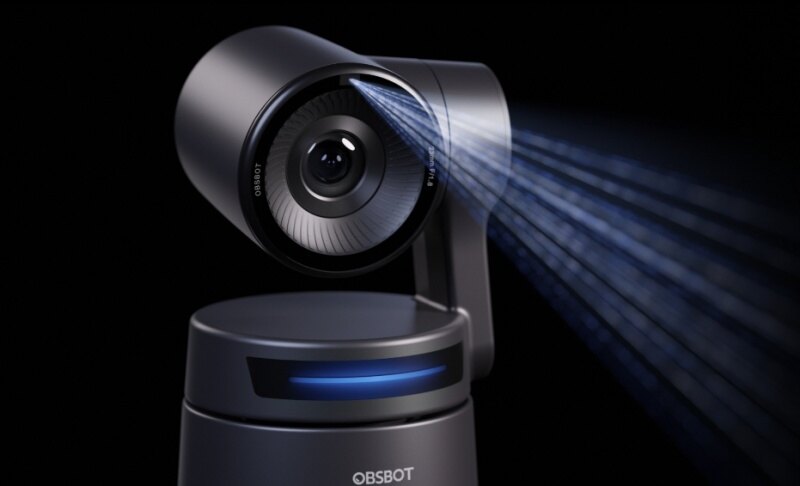
If you mainly shoot video but don't want to build a setup around interchangeable lenses, OBSBOT Tail 2 offers a more streamlined option. Its flexible zoom range and automated shooting features make it useful for creators who need to change framing without changing lenses.
Key Features:
- f/1.8–f/3.0 Aperture: Provides a wide aperture range for capturing more light and creating natural background separation.
- 22–110mm Equivalent Focal Range: Covers wide to telephoto perspectives, giving you more framing flexibility in a single camera.
- 5x Optical Zoom: Lets you frame distant subjects without relying entirely on digital zoom.
- AI Tracking 2.0: Automatically tracks subjects, which is useful for hands-free video and moving subjects.
- 4K at 60fps: Delivers detailed, smooth video for livestreaming, events, and content creation.
- PTZR Design: Combines pan, tilt, zoom, and remote operation in one camera for flexible video setups.
For creators who prioritize flexible framing, subject tracking, and hands-free shooting, Tail 2 can be an alternative to carrying and switching between multiple lenses.
Part 6: FAQs About How to Choose a Camera Lens
1. Should I buy a prime lens or zoom lens first?
Buy a prime lens if you prioritize a wide aperture, compact size, and simple shooting. Choose a zoom lens if you need flexibility and want one lens for multiple shooting situations.
2. What focal length should I choose for portraits, travel, or landscape photography?
For portraits, 50–85mm is a common range. For travel, 24–70mm offers useful versatility. For landscapes, 16–35mm provides a wider field of view.
3. What aperture should I choose for a camera lens?
Choose f/1.4–f/2.8 if you often shoot in low light or want strong background blur. f/4 or smaller can be sufficient for many outdoor and well-lit situations.
4. What do lens numbers and abbreviations such as f/2.8, IS, and USM mean?
f/2.8 indicates the lens's maximum aperture. IS generally refers to image stabilization. USM is a Canon autofocus motor designation. Abbreviations vary by manufacturer, so check the specific brand's terminology.
5. Are third-party lenses as good as native lenses?
They can be. Many third-party lenses offer excellent image quality and competitive features. Compare autofocus, compatibility, stabilization, aperture, size, and price for your specific camera system.
6. Are used camera lenses worth buying?
Yes, if the lens is in good condition and priced appropriately. Check the glass for fungus and scratches, test autofocus and stabilization, and inspect the focus ring, zoom ring, and mount.
7. Can I use a full-frame lens on an APS-C camera?
Yes. A full-frame lens can generally be used on an APS-C camera, though the effective field of view will be narrower due to the crop factor. The reverse isn't always true — some APS-C lenses may not fully cover a full-frame sensor.
Conclusion
Choosing the right lens comes down to matching your shooting needs with the right focal length, aperture, features, compatibility, and budget. Start by identifying what and how you shoot, then narrow down your options based on the specifications that matter most. If you're still unsure how to choose a camera lens, focus on the lens that best fits your most common shooting situations, priorities, and budget.