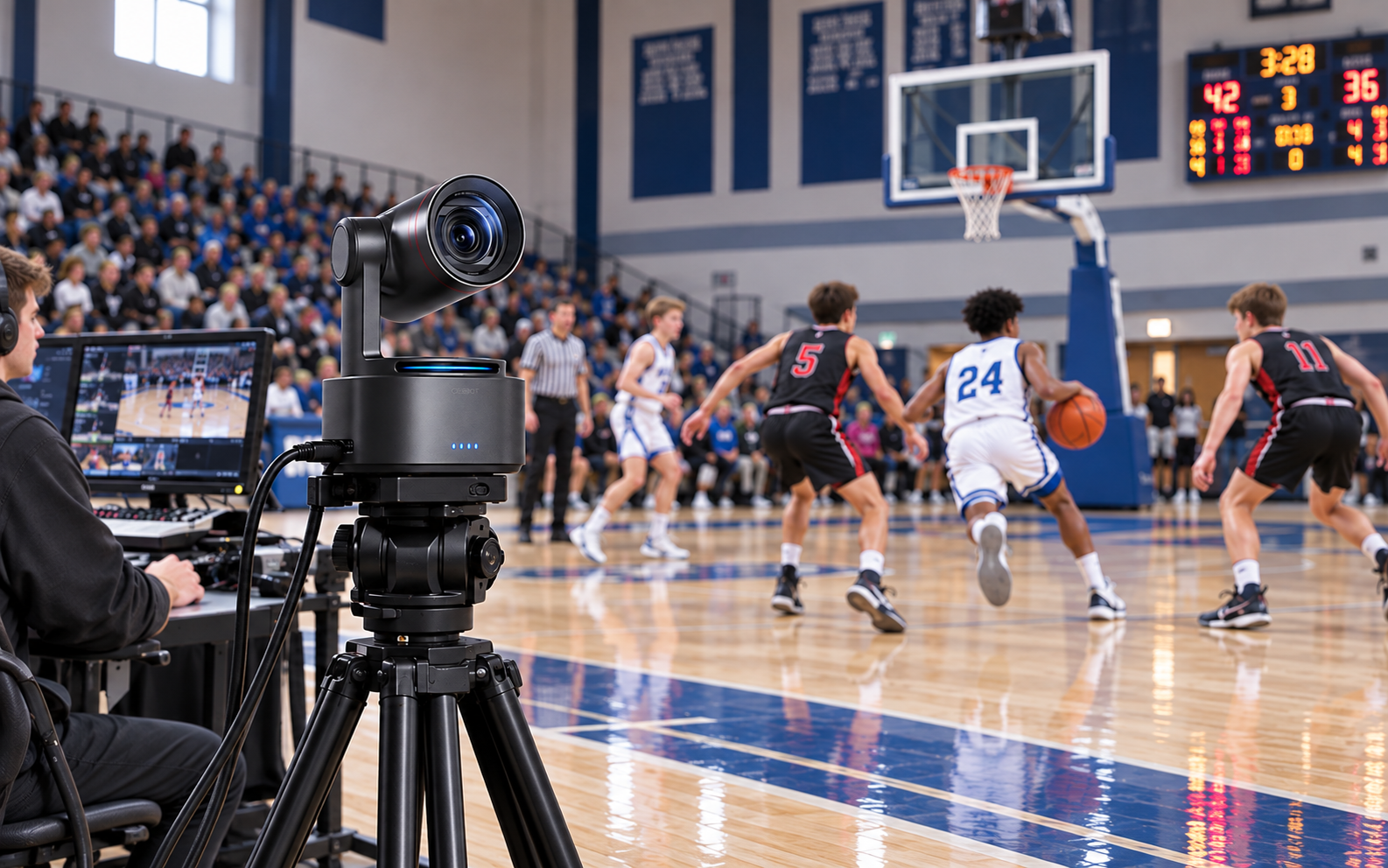
Best Camcorders for Sports: 7 Picks for 2026

If you are filming a full game from the sideline, a phone runs into three problems fast: reach, stability, and recording control. The best camcorders for sports solve those problems with long optical zoom, better handling, smoother stabilization, and video features built for long events. This guide compares the strongest options for parents, coaches, schools, creators, and small sports production teams.
Best Camcorders for Sports Comparison
| Product | Best Use | Max Video | Optical Zoom | Stabilization | Price (Only for reference) |
|---|---|---|---|---|---|
| Panasonic HC-X1500 | Overall sports filming | 4K60 | 24x | 5-axis Hybrid O.I.S. | $1,700 |
| OBSBOT Tail 2 | Auto tracking and live sports production | 4K60 | 5x | 3-axis gimbal stabilization | $1,199 |
| Canon VIXIA HF G70 | Parents and beginner sports recording | 4K30 | 20x | 5-axis stabilization | $1,349 |
| Panasonic HC-X20 | Large field and event coverage | 4K60 | 20x | 5-axis Hybrid O.I.S.+ | $2,900 |
| Sony PXW-Z200 | Professional sports streaming | 4K60 HDR | 20x | Optical image stabilization | $4,678 |
| Canon XA65 | School broadcast and SDI workflows | 4K30 | 20x | Dynamic IS 5-axis | $2,499 |
| Sony FDR-AX43A | Handheld family sports video | 4K24 | 20x | Balanced Optical SteadyShot | $1,199 |
7 Best Camcorders for Sports
1. Best Overall Camcorder for Sports: Panasonic HC-X1500

The Panasonic HC-X1500 is the most balanced pick for sports because it combines 4K60 recording, a long 24x optical zoom, optical stabilization, manual controls, and a relatively compact body. It is a strong fit for soccer, football, baseball, lacrosse, track meets, and other sports where you may need to follow action across a wide field.
Its long zoom is most useful when one person needs to follow a full outdoor game from the stands or sideline. If most of your games are in dim gyms, compare low-light footage before choosing it on zoom reach alone.
Price: $1,700.
If you are buying new, compare the HC-X1500 with the newer HC-X1600 for current availability and price.
Key Features:
- 4K60 recording: keeps fast sports motion smoother than basic 4K30 camcorders.
- 24x optical zoom: helps capture players across the field without relying on digital zoom.
- 25mm wide-angle lens: makes it easier to frame wider field action from the sideline.
- 5-axis Hybrid O.I.S.: reduces shake when following movement handheld or on a monopod.
- Dual SD card slots: useful for longer games, tournaments, and backup recording.
2. Best Tracking Camera for Sports Production: OBSBOT Tail 2
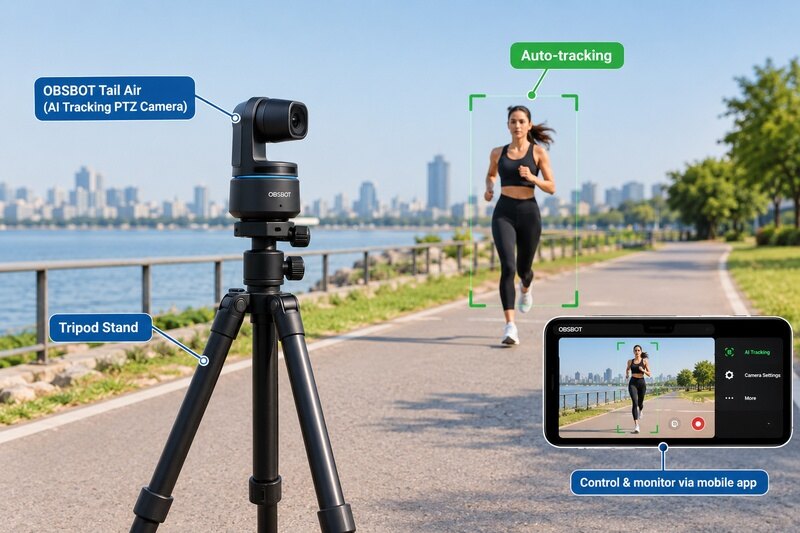
The OBSBOT Tail 2 is not a traditional handheld camcorder, but it belongs in this conversation for teams that need hands-free sports tracking. It fits coaches, schools, clubs, livestreamers, and small production teams that want the camera to follow an athlete, presenter, coach, or performance area without someone manually operating every shot.
Price: $1,199.
Key Features:
- 4K 60fps video: captures smooth sports footage for practice review, livestreams, and event coverage.
- AI Tracking 2.0: helps keep a selected subject framed during movement, which is useful for coaching demos and sideline production.
- 5x optical zoom: gives cleaner reach than digital-only zoom for courts, stages, and smaller fields.
- 12x hybrid zoom: adds flexibility when the camera must stay farther from the action.
- Pro connectivity: HDMI, 3G-SDI, Ethernet, USB, RTMP, RTSP, SRT, and NDI support make it practical for live sports workflows.
Watch out: Tail 2 makes the most sense for fixed-position filming, a selected subject, coaching drills, or a live production setup. If you need one camera operator to follow the ball across a large field and capture the entire game, a long-zoom handheld camcorder is the more direct choice.
3. Best Camcorder for Parents and Beginners: Canon VIXIA HF G70

The Canon VIXIA HF G70 is a sensible pick if you want a real camcorder for games without stepping into a full professional broadcast setup. Its 20x optical zoom, 4K recording, dual SD slots, and 5-axis stabilization make it easier to record youth sports from bleachers, sidelines, or a tripod.
Price: $1,349.
Key Features:
- 4K30 recording: captures detailed game footage for family videos and highlight clips.
- 20x optical zoom: helps reach the far side of a court or field without heavy lens gear.
- 5-axis image stabilization: improves handheld shots when you cannot stay perfectly still.
- Dual SD card slots: support longer recording sessions and backup-friendly workflows.
- USB-C UVC output: allows simple computer-based streaming when needed.
Watch out: Its 4K recording tops out at 30 fps. That is fine for full-game records and family viewing, but fast plays and slow-motion highlights are stronger reasons to consider a model with 4K60.
4. Best 1-Inch Sensor Camcorder for Sports Events: Panasonic HC-X20

The Panasonic HC-X20 is a stronger step-up choice when you want a larger 1-inch sensor, a 20x optical zoom, 4K60 recording, and more professional control. It fits school athletics, event videographers, and sports creators who need better image quality and more manual control than entry-level camcorders offer.
Price: $2,900.
Key Features:
- 1-inch MOS sensor: gives better image quality than smaller-sensor consumer camcorders.
- 4K60 recording: helps sports footage look smoother during fast movement.
- 20x optical zoom: gives useful reach for fields, courts, and ceremonies.
- 5-axis Hybrid O.I.S.+: improves stability during handheld or monopod shooting.
- XLR input and streaming features: make it more suitable for serious event coverage.
Watch out: The HC-X20 is larger and more expensive than beginner camcorders, so it makes the most sense when you will use its pro controls regularly.
5. Best Professional Camcorder for Sports Streaming: Sony PXW-Z200

The Sony PXW-Z200 is built for higher-end sports coverage where autofocus, live streaming, professional output, and broadcast-friendly handling matter. It is a serious option for schools, production crews, and event teams that need reliable 4K footage and live delivery from the field.
Price: $4,678.
Key Features:
- 1-inch Exmor RS CMOS sensor: supports detailed 4K capture with strong motion handling.
- 4K60 HDR recording: gives sports footage smoother motion and better highlight control.
- 20x optical zoom: works well for sideline and press-box coverage.
- AI-assisted autofocus and auto-framing: helps keep moving subjects sharp and framed.
- 12G-SDI, Ethernet, Wi-Fi, SRT, and RTMP/RTMPS: support professional live sports production workflows.
Watch out: This is overkill for casual family sports videos. It is best for users who already need professional output, streaming, and production features.
6. Best Camcorder for School Broadcast Setups: Canon XA65

The Canon XA65 is a compact professional camcorder that fits school broadcasts, small sports programs, and multi-camera event setups. Its standout advantage over simpler camcorders is the combination of 3G-SDI, HDMI, XLR audio, dual-card recording, and a long 20x zoom.
Price: $2,499.
Key Features:
- 4K30 recording: captures detailed sports footage for archiving, highlights, and livestream support.
- 20x optical zoom: helps cover action from bleachers, press areas, or elevated positions.
- 3G-SDI output: makes it easier to connect to production switchers over longer cable runs.
- Dual XLR audio inputs: support commentary, field audio, or external microphones.
- Dynamic IS 5-axis stabilization: helps reduce shake during active handheld shooting.
Watch out: If you do not need SDI or XLR audio, the VIXIA HF G70 may cover similar basic recording needs for less money.
7. Best Handheld Camcorder for Family Sports: Sony FDR-AX43A

The Sony FDR-AX43A is a compact Handycam-style option for parents and casual shooters who want stable handheld sports video without carrying a large camera. Its biggest advantage is Balanced Optical SteadyShot, which helps when you are following action from the sideline by hand.
Price: $1,199.
Key Features:
- 4K24 recording: captures detailed footage for home videos and simple highlight edits.
- 20x optical zoom: gives useful reach for youth sports and school events.
- Balanced Optical SteadyShot: helps reduce handheld shake more effectively than many small camcorders.
- Exmor R CMOS sensor: improves image quality in mixed lighting compared with basic camcorders.
- Compact body: makes it easier to carry to games, practices, and tournaments.
Watch out: This is not the best choice if you specifically need 4K60 or pro livestreaming connections.
How to Choose a Camcorder for Sports
Prioritize Optical Zoom Before Resolution
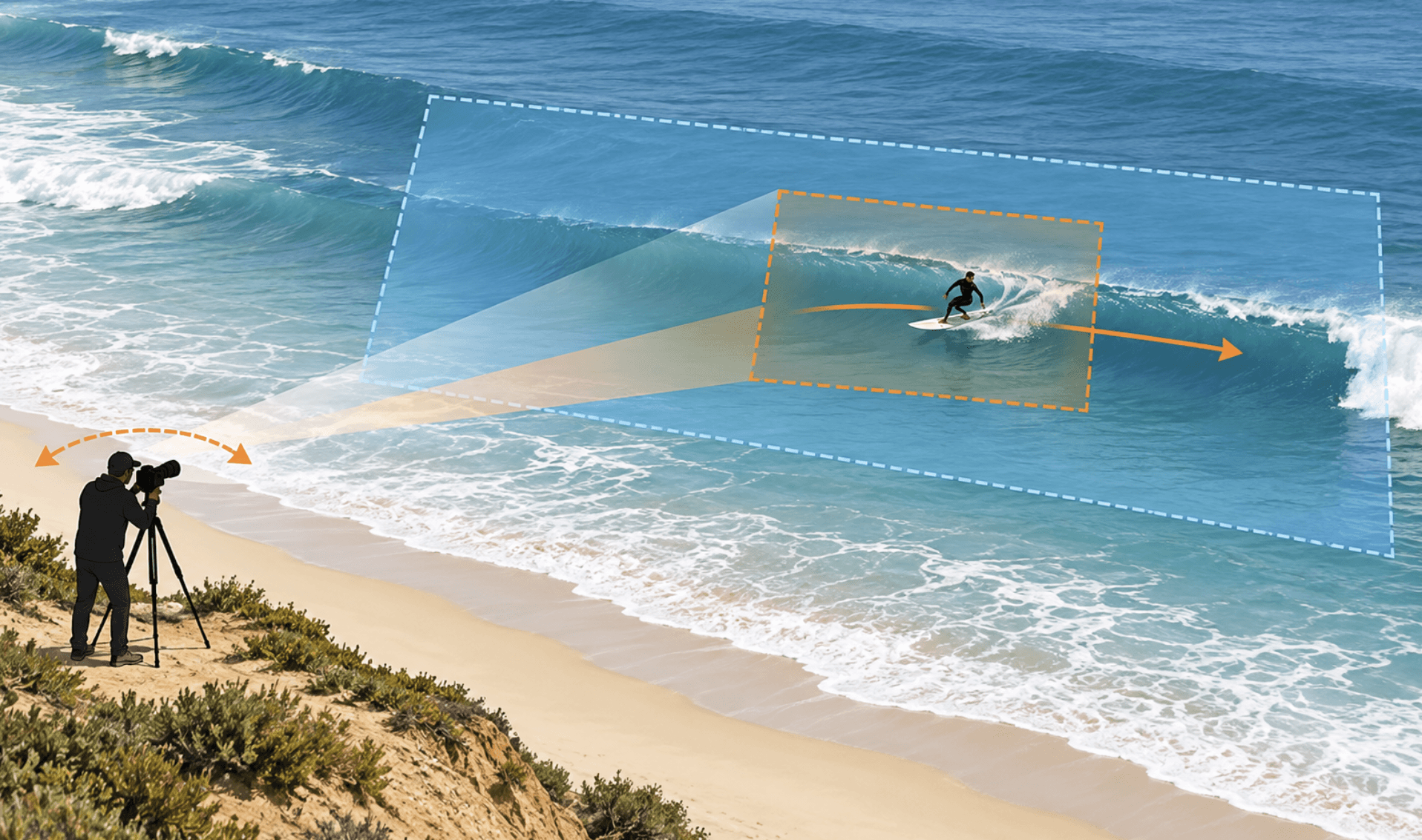
Zoom matters more than 4K alone when you are filming from the stands or sideline. A 20x or 24x optical zoom lets you follow the play without destroying image quality through digital zoom. For field sports, long optical zoom is one of the first specs to check.
Choose 4K60 for Fast Action When Your Budget Allows
Sports involve quick cuts, sprints, turns, and ball movement. A camcorder that records 4K60 can make motion look smoother than 4K30, especially for soccer, basketball, football, volleyball, and skating. If you only need family memories or basic game review, 4K30 can still work.
Look for Strong Stabilization
Even the best camcorder will look shaky if you are zoomed in and following a moving player by hand. Optical or hybrid stabilization helps, but a tripod or monopod is still worth using for full games. For auto-following or fixed-position coverage, a tracking camera can reduce manual camera work.
Think About Where the Camera Will Sit
A parent in the bleachers, a coach on the sideline, and a school broadcast team in a press box all need different setups. Handheld camcorders are easy to carry, pro camcorders offer better control and outputs, and tracking cameras help when one person cannot operate the camera the whole time.
Check Audio and Live Output Early
If you only record video for later review, built-in audio may be enough. If you livestream games, add commentary, or connect to a production switcher, look for HDMI, SDI, XLR, USB, Ethernet, RTMP, or SRT support depending on your workflow.
FAQs About the Best Camcorders for Sports
What is the best camcorder for recording sports?
For filming a full game from the stands or sideline, the Panasonic HC-X1500 offers a useful combination of 24x optical zoom, 4K60 recording, and stabilization. If you need a fixed camera to follow a selected subject or support a livestream, OBSBOT Tail 2 serves a different production setup.
Is a camcorder good for indoor sports?
Yes, especially when you need to record an entire game and zoom smoothly from the stands. Check footage from a similarly lit gym before buying. Indoor light can be difficult for smaller-sensor camcorders, particularly when you zoom in. A larger-sensor model such as the Panasonic HC-X20 gives you more flexibility, while a mirrorless camera with a fast lens may be better for short highlights in a very dim venue.
What is the best device to record kids' sports?
For full games from the bleachers, a camcorder with a long optical zoom is usually the easiest choice. The Canon VIXIA HF G70 is one option, and a tripod or monopod will help keep distant plays steady. A phone works well for close sideline clips, while an action camera is better suited to point-of-view footage than recording the whole field.
What is the best digital camera for sports?
If you want still photos, a mirrorless camera with fast autofocus and a long lens is usually better than a camcorder. If you want long-form video of full games, a camcorder is often easier because it has built-in zoom, better recording ergonomics, and fewer setup pieces.
What is the best action camera for sports?
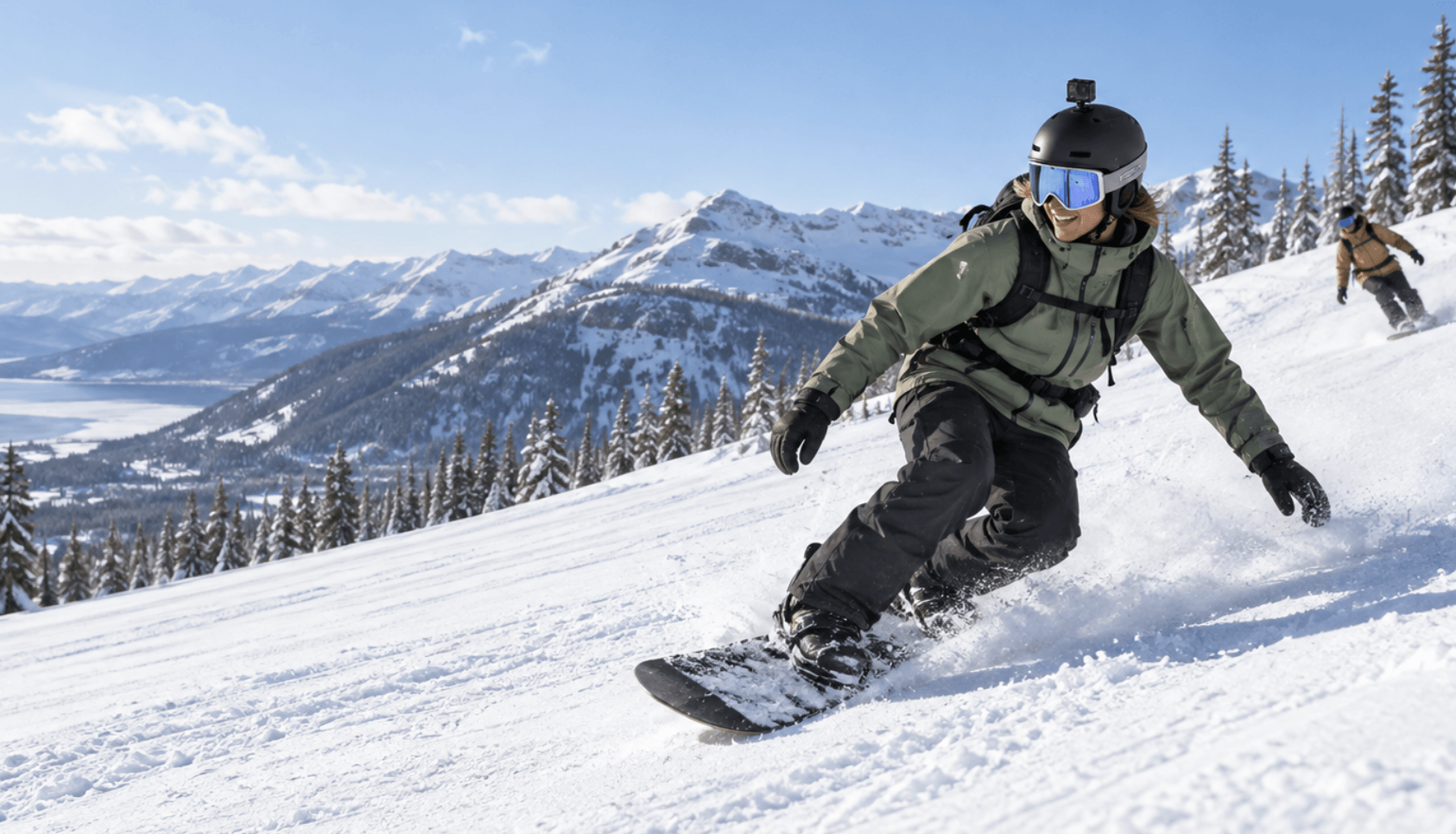
An action camera is best for POV footage, helmets, bikes, boards, and close-up movement. It is not the best replacement for a camcorder when you need to record a full game from a distance because most action cameras have limited optical zoom.
Conclusion
The best camcorders for sports are the ones that match your filming position. For most sports recording, the Panasonic HC-X1500 gives the strongest balance of zoom, 4K60, stabilization, and portability. For hands-free tracking and live production, the OBSBOT Tail 2 fills a different but very useful role. For parents, beginners, and school programs, Canon, Panasonic, and Sony all offer practical options depending on your budget and output needs.