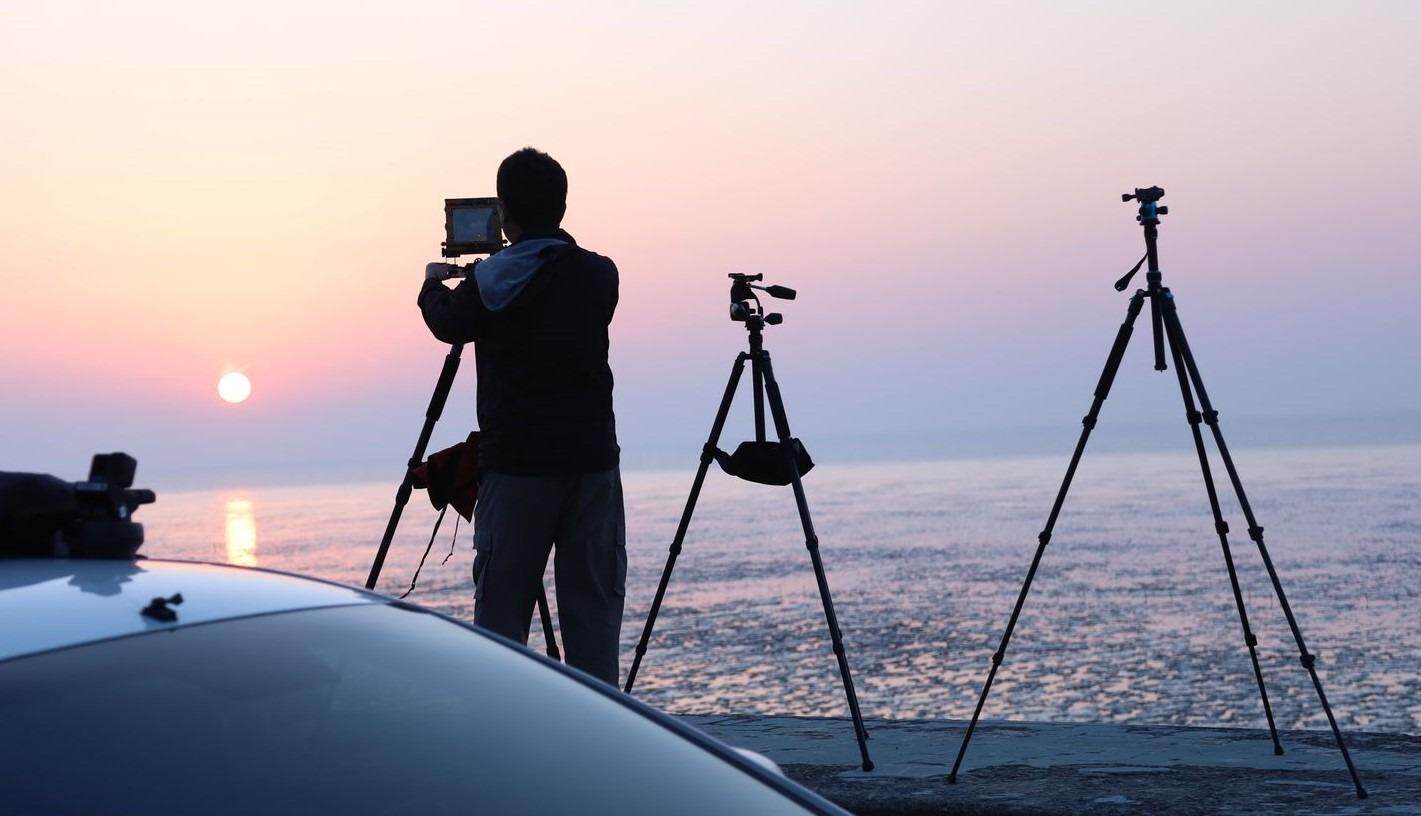
As a videographer, your gear is incomplete without a tripod. It helps maintain stable framing and controlled camera movements during interviews, live streams, events, and professional productions.
However, choosing the right tripod for video cameras can be a little difficult, as features such as performance, portability, and budget vary between models.
This guide compares six video tripods and explains how to choose one for your camera and shooting needs.
Best Tripods for Video Cameras
Let's compare tripod options for different needs, from mirrorless video production to professional broadcasting and affordable studio setups.
| Model | Best for | Approx. price | Head payload | Core advantage | Main limitation |
|---|---|---|---|---|---|
| Sachtler Ace M MS Mk II | Mirrorless cameras | $760 | 4 kg | Adjustable drag and counterbalance | Limited payload of 4 kg |
| Manfrotto 504HD with 546B Legs | Mirrorless and cinema rigs | $959 | 12 kg | Variable fluid drag | Bulky for travel |
| Sachtler aktiv8 flowtech75 MS | Professional production | $2,996 | 12 kg | Fast setup and precise adjustments | Premium price |
| Sachtler Video 18 S2 | Heavy broadcast rigs | $6,435 | 22 kg | Broad counterbalance range | Requires compatible 100 mm support |
| E-Image EG05A2 with GH05 Head | Budget-conscious filmmakers | $400 | 7 kg | Complete tripod kit | Fixed pan and tilt drag |
| Benro A373FBS6PRO | Independent filmmakers | $475 | 6 kg | Portable support system | Less capacity for heavy rigs weighing more than 6 kg |
Best Overall Video Tripod for Mirrorless Cameras
Sachtler Ace M MS Mk II ($760)
The Sachtler Ace M MS Mk II a strong contender for the best video tripod for mirrorless camera setups, offering smoother camera movements and dependable tilt control than basic photo tripods.
It works well for interviews, product videos, and small event shoots.
- Payload and counterbalance: Supports up to 4 kg, with five counterbalance steps to help keep the camera balanced when tilted.
- Pan and tilt drag: Three drag settings let operators adjust movement resistance for interviews, presentations, and event footage.
- Camera positioning: The 75 mm bowl simplifies leveling, while the 104 mm sliding plate range helps balance rigs with added lenses, cages, or monitors.
- Portability: The complete system weighs 4.4 kg and includes a mid-level spreader and carrying bag.
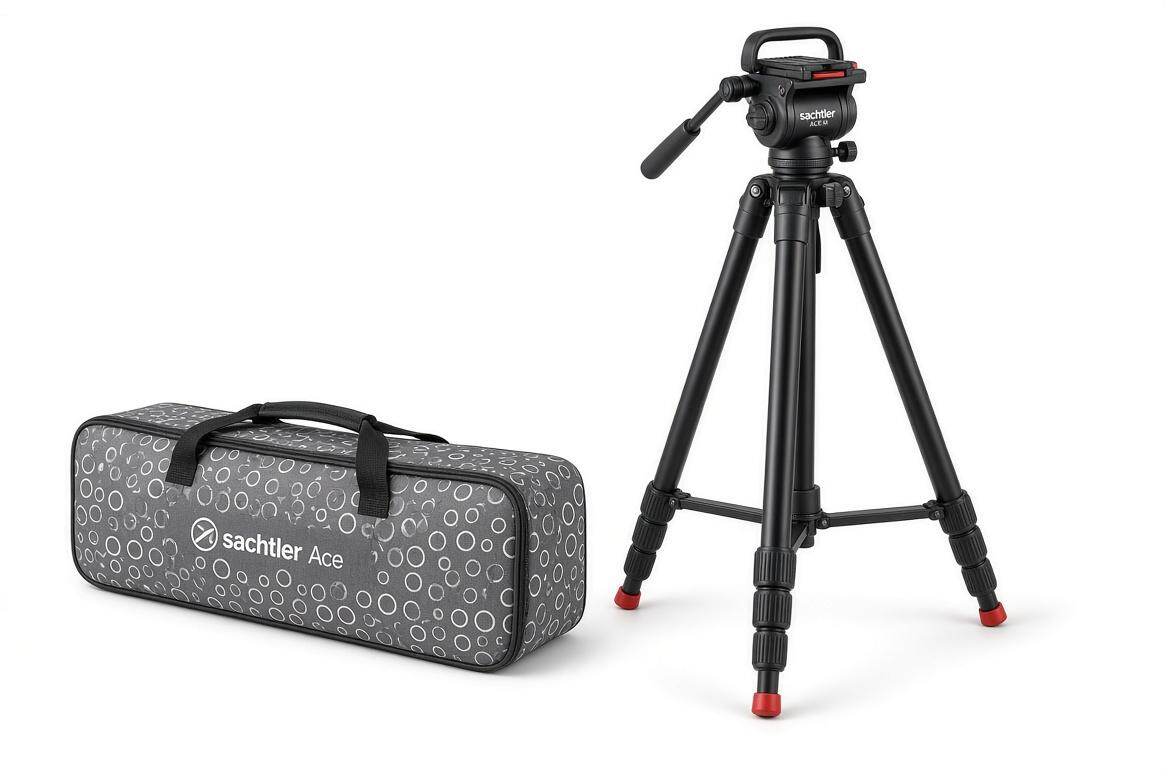
Reviews about Ace M mostly remain positive, with videographers appreciating the improved camera control its fluid head and counterbalance offers compared with basic tripods. Used units may also appeal to budget-conscious filmmakers looking for professional features at a lower price.
The main limitation is its 4 kg payload ceiling, which includes the complete camera rig. If you need a heavier setup, consider the Sachtler Ace XL flowtech75 MS Mk II, which supports up to 8 kg.
Manfrotto 504HD with 546B Legs ($959)
If you need dependable support for interviews, events, and studio production, you may want to consider the Manfrotto 504HD with 546B legs. Some of the features this tripod offers are:
- Fluid movement: Continuously adjustable pan and tilt drag lets you fine-tune resistance for controlled camera movements.
- Counterbalance: It offers four settings for different camera configurations, with counterbalance up to 7.5 kg.
- Levelling: The 75 mm half-ball helps level the head without repeatedly adjusting each tripod leg.
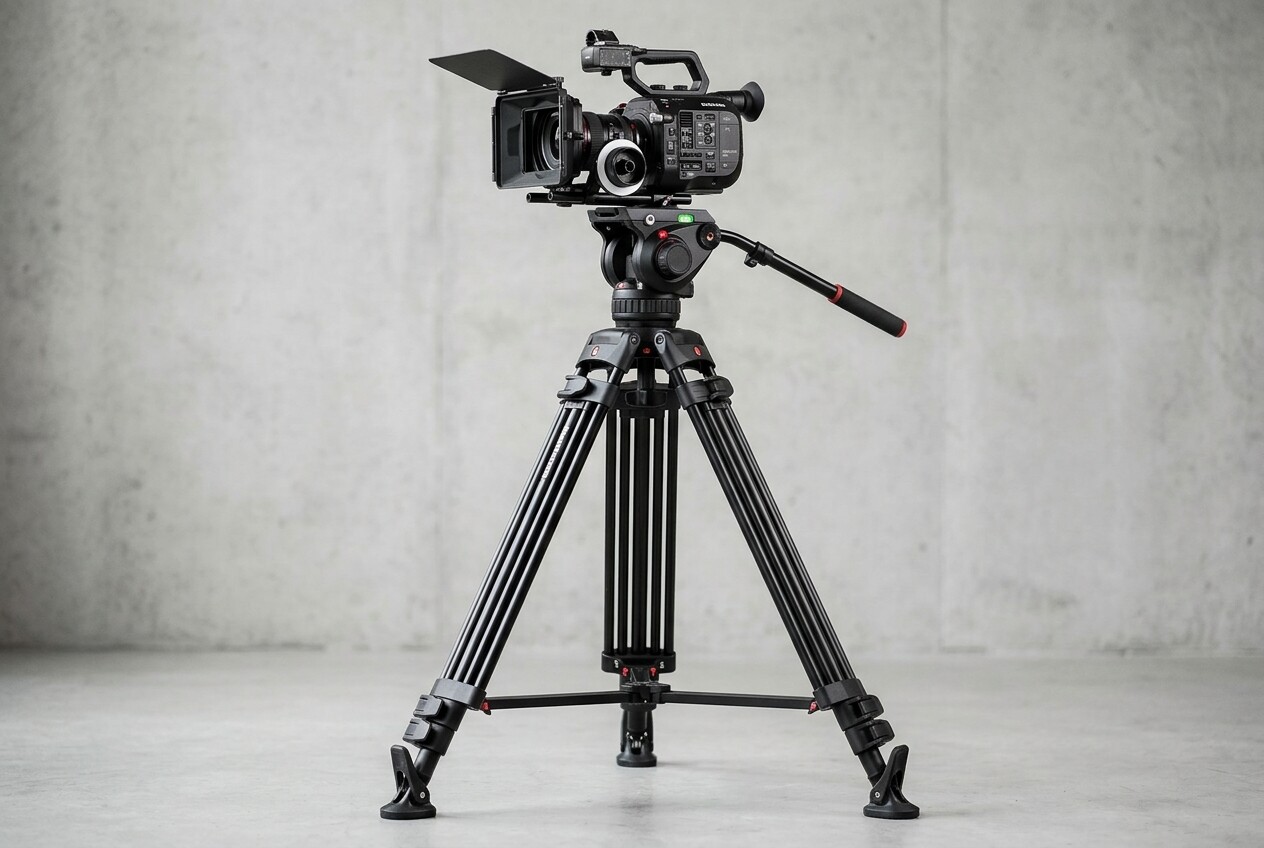
The Manfrotto 504HD with 546B legs stands out for its smooth camera movements and sturdy construction. However, some users have reported a slight grinding sensation when tilting the head and found the mid-level spreader less convenient to handle during setup.
Another trade-off with this tripod is its size and weight. Weighing approximately 6.17 kg, it is better suited to planned shoots, studios, and event locations than to creators who need to travel light.
Best Professional Tripod for Video Cameras
Sachtler aktiv8 flowtech75 MS ($2,996)
The Sachtler aktiv8 flowtech75 MS combines a fluid head with carbon-fiber legs to reduce the overall carrying weight while allowing production teams to reposition cameras quickly. This combination suits studio work, news gathering, documentary filming, and location shoots where portability, stability, and fast setup are important.
The system also includes several features that improve setup efficiency:
- SpeedLevel technology: The leveling mechanism helps operators level the head quickly without repeatedly adjusting individual tripod legs.
- 120 mm sliding range: This provides room to reposition the camera when changing lenses or accessories.
- Quick-release leg brakes: The flowtech75 carbon-fiber legs can be deployed and adjusted quickly, helping during location changes.
- More controlled movement: Fifteen counterbalance steps and seven drag settings help operators adjust the head to their camera and shooting style.
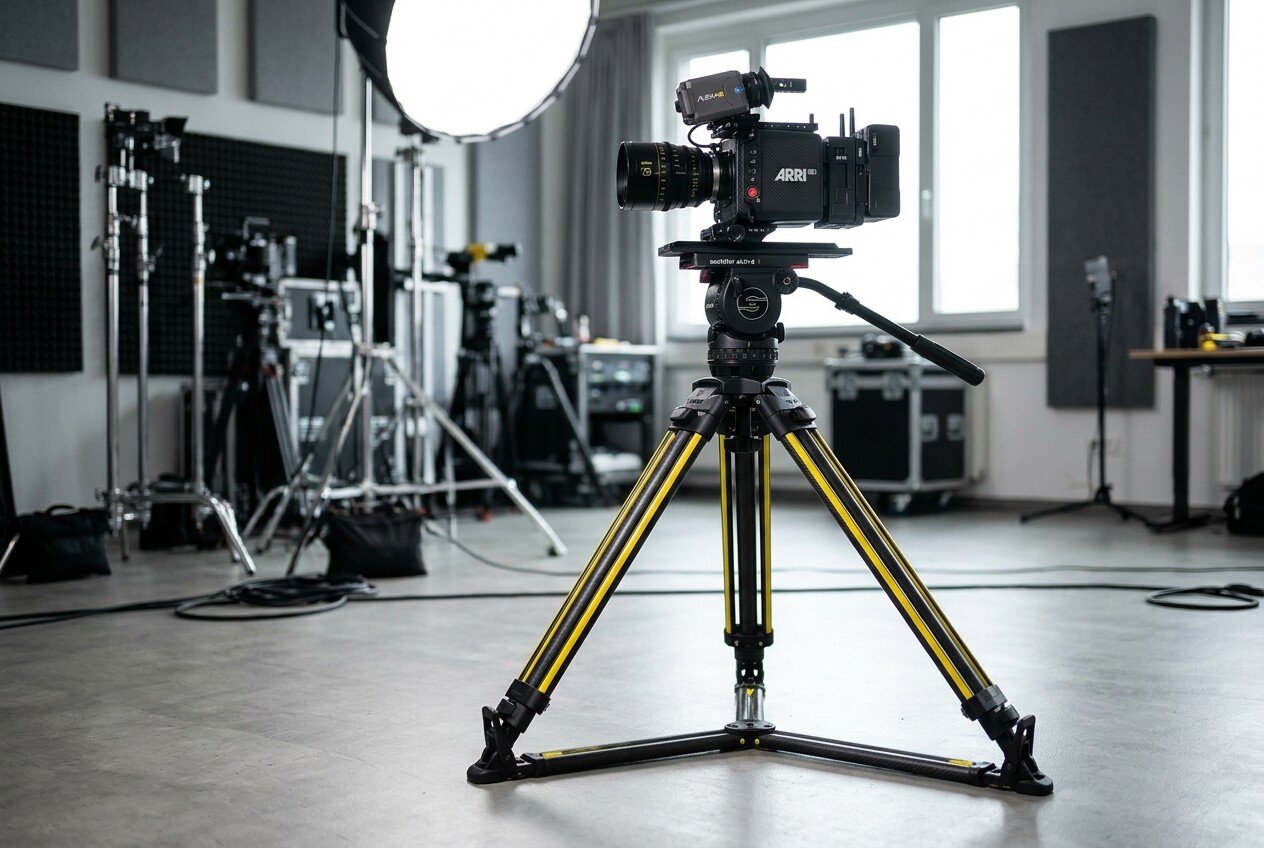
The aktiv8 flowtech75 MS is valued for its ease of use, with some customers highlighting its successful integration with a Canon C400 rig. However, its premium price may be hard to justify for occasional filming or lightweight camera setups.
Sachtler Video 18 S2 ($6,435)
Unlike the complete tripod systems in this guide, the Sachtler Video 18 S2 is a fluid head only. It is designed for professional productions that need to support different camera configurations, including heavier broadcast and cinema rigs.
Here are some reasons why many professionals choose the Sachtler Video 18 S2:
- Supports 22 kg, allowing production teams to accommodate different camera builds without necessarily replacing the head.
- Offers 16 counterbalance steps to help balance cameras of different weights and keep them controlled when tilted.
- Seven drag settings let operators adjust movement resistance for smoother camera movements.
- The 120 mm sliding range provides room to reposition the camera when adding lenses, monitors, or other accessories.
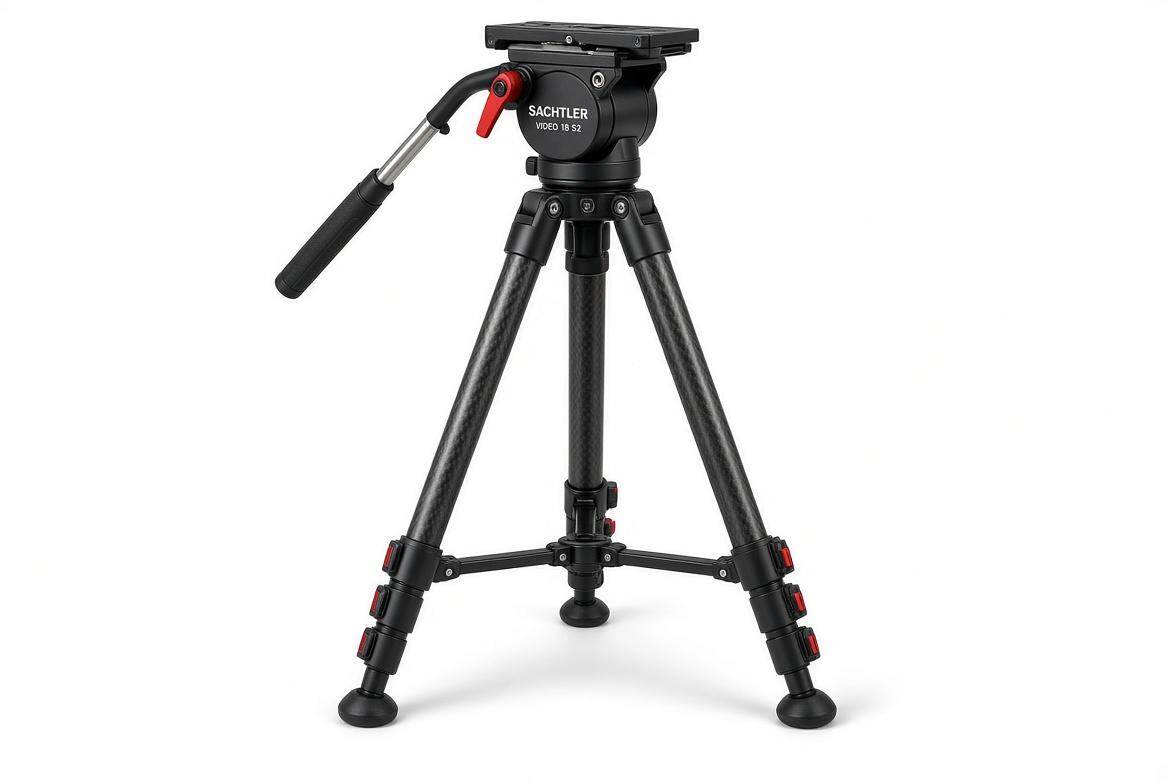
From a Sony a7S II to heavier cinema-camera builds, the Sachtler Video 18 S2 can accommodate a wide range of production setups. Its broad payload range and adjustable counterbalance make it especially useful for crews that regularly switch between different camera rigs.
Best Budget Tripod for Video Cameras
E-Image EG05A2 with GH05 Head ($400)
The E-Image EG05A2 with GH05 head is a budget-friendly option for solo videographers filming interviews, wildlife, and stationary scenes. Its design prioritizes straightforward setup and practical support for smaller camera rigs.
Key specifications and benefits of the EG05A2 include:
- Mono-Lock leg system: Adjusts both leg stages with one twist of a knob, making it easier to change camera height when working alone.
- Payload capacity: Supports up to 7.7 kg leaving room for many DSLR setups with lenses and accessories.
- Counterbalance: Helps control tilt when a camera becomes front-heavy after changing lenses or adding more accessories.
- Included accessories: The kit includes a mid-level spreader and carrying bag for added stability and easier transport.
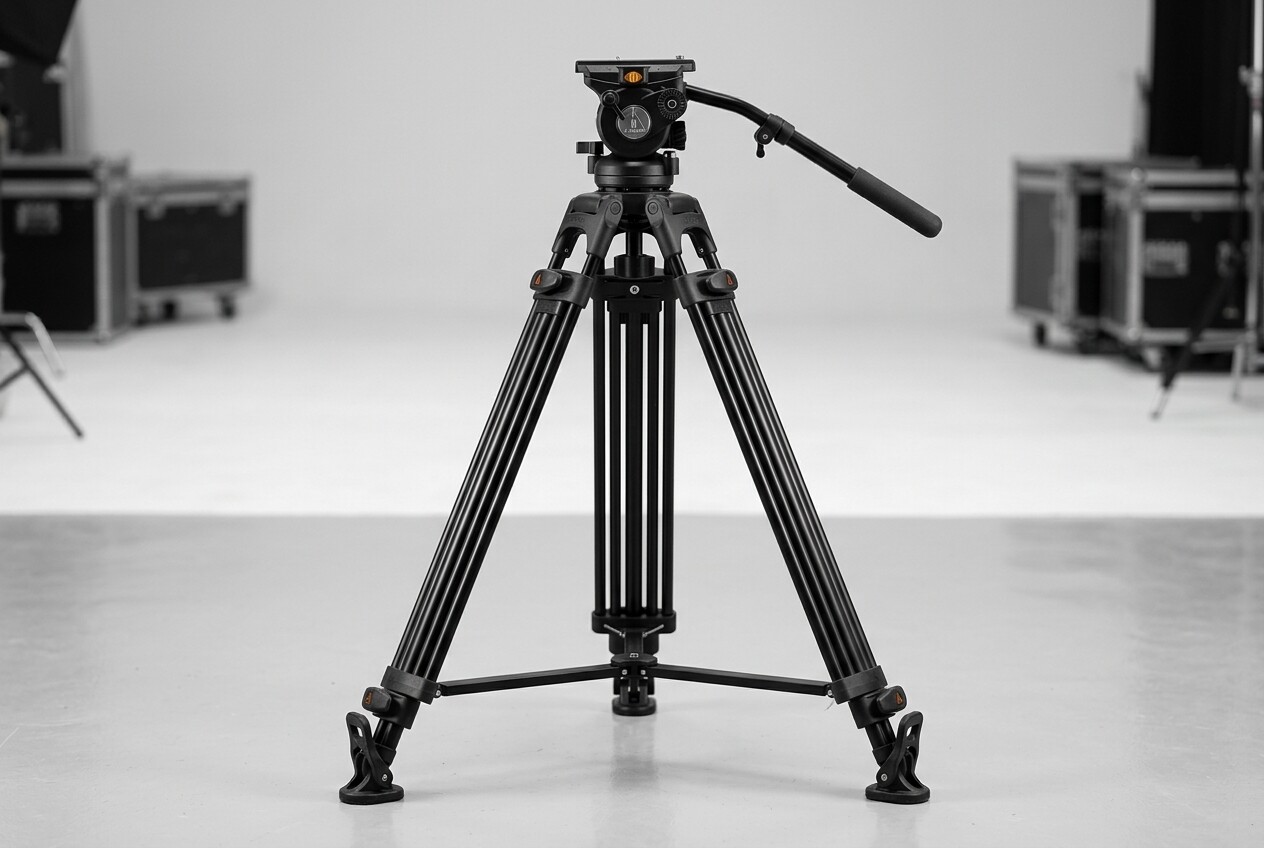
The E-Image EG05A2 appeals to budget-conscious videographers with its easy leg adjustments, good value for money, and practical design for solo field shoots. However, its head offers fewer fine-tuning options than premium models, which may limit control when precise pans and tilts are essential.
Benro A373FBS6PRO ($475)
If what you need is a conventional video tripod for interviews, independent productions, and smaller camera rigs, the Benro A373FBS6PRO might be an ideal option. Here is why it is regarded as one of the best tripod for video cameras on a budget:
- Uneven shooting locations: Independently adjustable leg angles help position the tripod on different surfaces.
- Controlled camera movement: The S6Pro head supports up to 6 kg and offers five counterbalance steps, helping operators manage tilt with compatible camera builds.
- Flexible production setups: Its support configuration can work with compatible sliders, making it useful for controlled product shots and other creative footage.
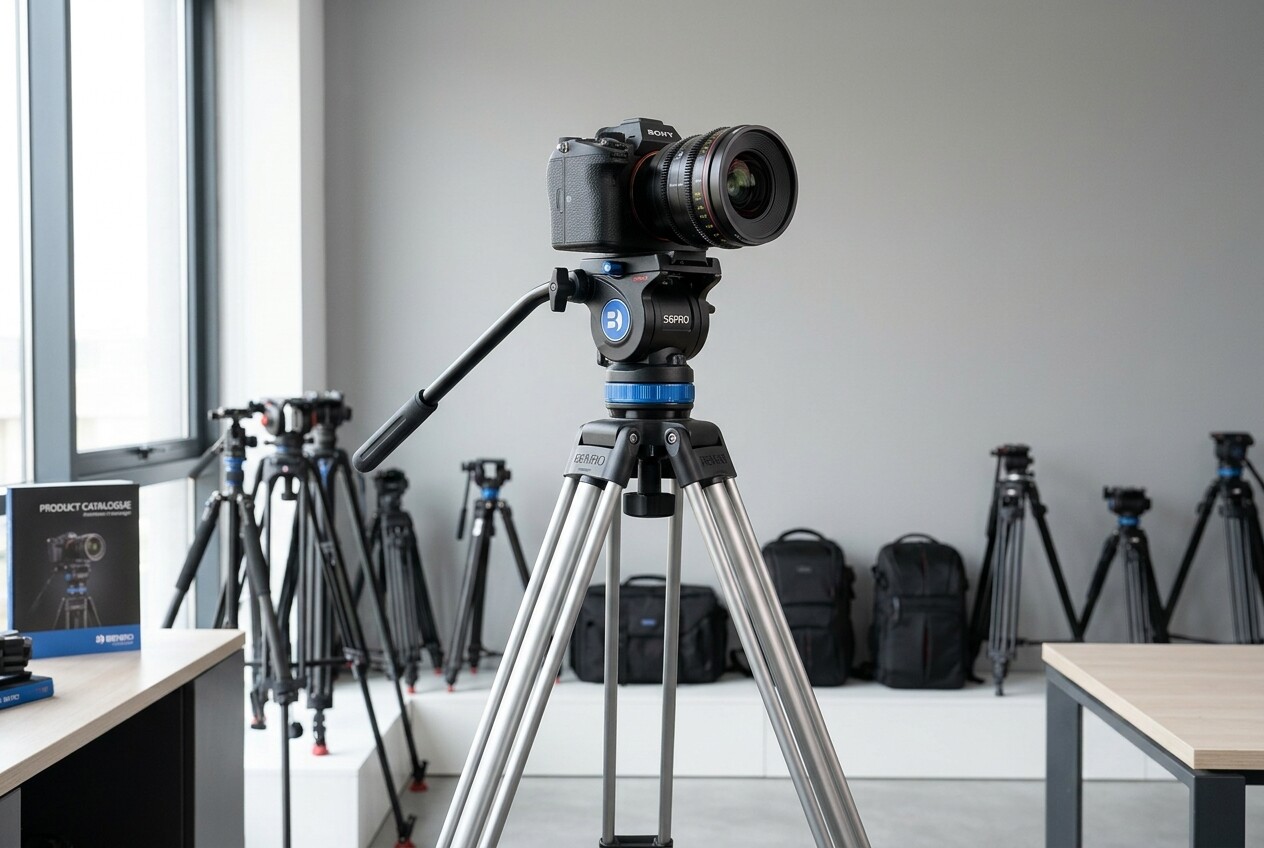
For videographers who frequently move between locations, the Benro A373FBS6PRO offers a practical balance of support and portability. Its easy-to-pack design can make it a more convenient everyday option than bulkier tripods, particularly when working with lightweight camera rigs.
How to Choose the Right Tripod for Your Video Camera
There are so many tripod options for video cameras. Consider these five factors before selecting one for your setup.
Calculate Your Total Payload
Add the weight of your camera, lens, cage, monitor, microphone, battery, and other mounted accessories, then choose a head that supports the complete setup and provides suitable counterbalance.
For example, the Ace M has a payload capacity of 4 kg, which means it might not work with any rig that exceeds this limit.
Choose the Right Head
A fluid head comes in handy when you need controlled pans and tilts. Adjustable drag lets you change movement resistance, while counterbalance helps prevent the camera from tipping when tilted.
If you will be recording from a static position, a simpler head may be enough. However, fluid head offers more control for events, sports, and broadcasting.
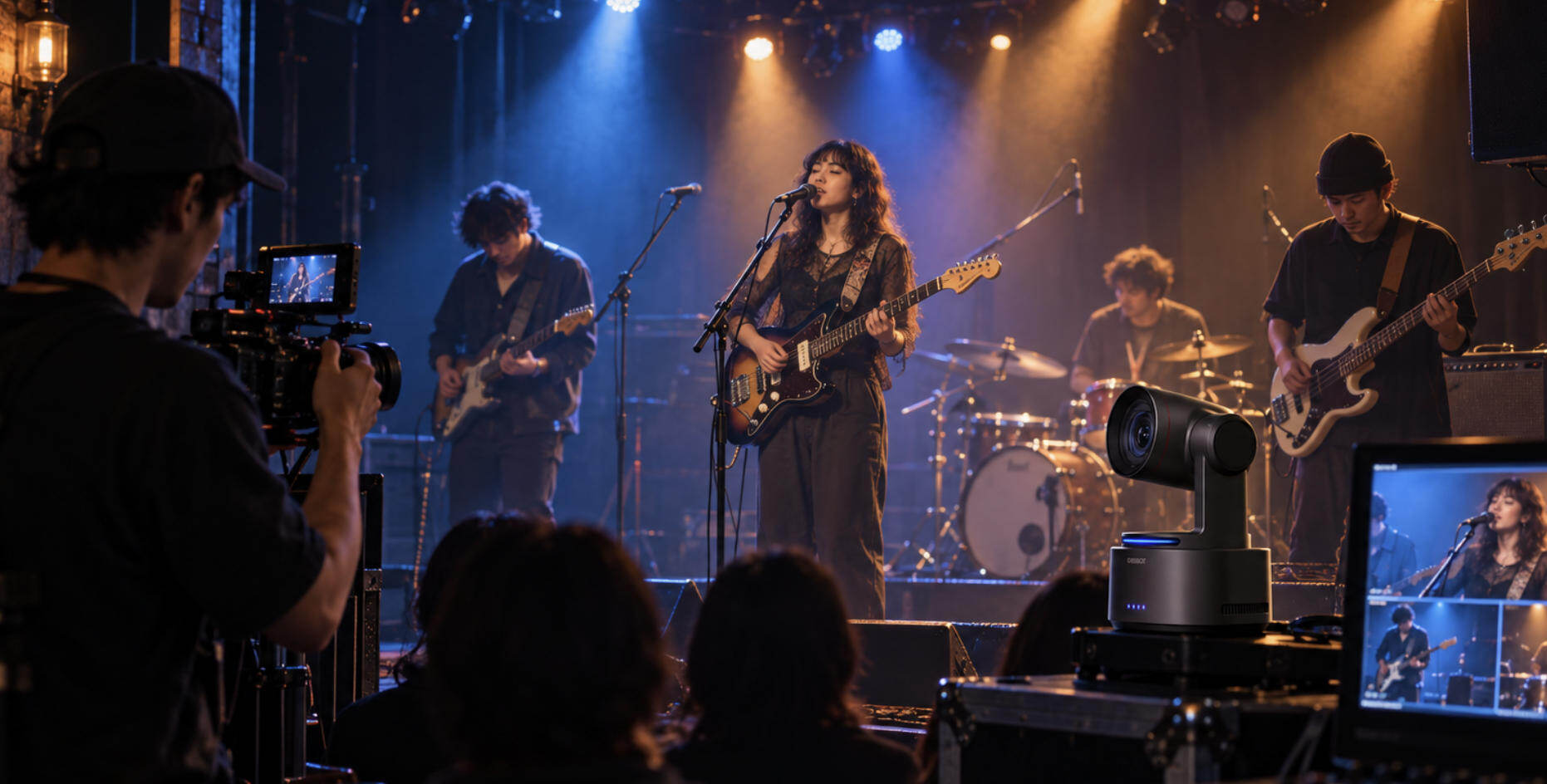
For motorized PTZ cameras, however, a fluid head may not be necessary. The OBSBOT Tail 2 uses a built-in three-axis gimbal and AI tracking to follow speakers or performers while the tripod stays stationary. This makes it useful for church services, presentations, and live events. For this type of setup, prioritize stable legs, secure mounting, and enough clearance for camera movement rather than advanced manual drag controls.
Key Tail 2 features for tripod-based video setups include:
- Built-in 1/4-inch mounting interface: Attaches securely to a compatible tripod or stand without requiring a fluid video head.
- AI Tracking 2.0: Follows speakers and performers automatically while the tripod remains in a fixed position.
- Three-axis PTZR movement and auto leveling: Supports smooth pan, tilt, zoom, and rotation while keeping the horizon level when the camera has enough clearance.
- Up to 4K/60fps and 5x optical zoom: Captures detailed wide shots or closer views from a stable tripod position.
For sports recordings, explore our guide to video equipment for sports to find the right gear for your setup.
Compare Leg Material and Stability
Aluminum legs are often suitable for studio work and budget-conscious setups. Carbon fiber can reduce carrying weight, especially for operators who frequently change locations.
Check for secure leg locks, a sturdy spreader, and firm-grip feet. Wider leg positioning and thicker leg sections help reduce wobble, while keeping the tripod lower improves stability.
Confirm Camera Compatibility
Check the mounting plate, bowl size, mounting thread, and center-of-gravity requirements. A 75 mm bowl, for example, is common in professional video systems, but not compatible with every head and leg combination.
PTZ cameras also need sufficient clearance for rotation. If you're considering the OBSBOT Tail 2, review its specifications and mounting requirements before making a purchase.
Match the Tripod to Your Workflow
Start by considering where you'll use the tripod and the demands of your typical recording setup.
- Studio and remote meetings: Prioritize stable framing, convenient height adjustment, and cable management.
- Live events and broadcasting: Look for adjustable drag, reliable counterbalance, and quick deployment.
- Outdoor filming: Consider carrying weight, secure leg locks, and suitable feet for the ground.
- Travel and solo filming: Choose a lighter system that's easy to carry and set up alone.
FAQs About Video Camera Tripods
The right tripod depends on your equipment, filming environment, and required camera movement. These answers cover common questions you may have before purchasing.
Do I Need a Fluid Head for Video?
Not always. A fluid head such as the Manfrotto 504HD helps control pans and tilts for interviews, events, and moving subjects. A simpler tripod like the Benro Slim may be enough for static talking-head videos. The adjustable drag helps when you need more control over movement resistance.
How Much Tripod Payload Capacity Do I Need?
Add the weight of your camera, lens, cage, monitor, microphone, and all mounted accessories. Choose a head rated for the complete setup, with suitable counterbalance. Never exceed the manufacturer's payload limit.
Can I Use a Professional Video Tripod with a Mirrorless Camera?
Yes. Check that the complete camera rig falls within the head's payload and counterbalance range. A smaller system such as the Sachtler Ace M can suit lightweight mirrorless setups like the Sony a6700, Fujifilm X-S20, or Canon EOS R50. You may need a higher-capacity head for heavier configurations.
How Much Should I Spend on a Video Tripod?
Spend according to your shooting frequency, equipment weight, and movement requirements. Go for budget kits if you will be recording occasionally or the costlier adjustable fluid heads for frequent production work. Also consider long-term reliability and future equipment upgrades.
Can the Same Tripod Support a PTZ Camera?
Yes, if its payload, mounting thread, mounting surface, and stability meet the camera manufacturer's requirements. Also check clearance for pan, tilt, and rotation before attaching the camera.
Conclusion
The best tripod for video camera setups depends on your equipment, shooting style, and budget.
Lightweight models work well for mirrorless cameras and small productions, while heavier rigs may require greater payload capacity and smoother fluid-head controls.
Consider all of these factors and your filming needs to find a tripod that delivers the stability, flexibility, and control your videos need.