Video Production Studio Guide for Creators
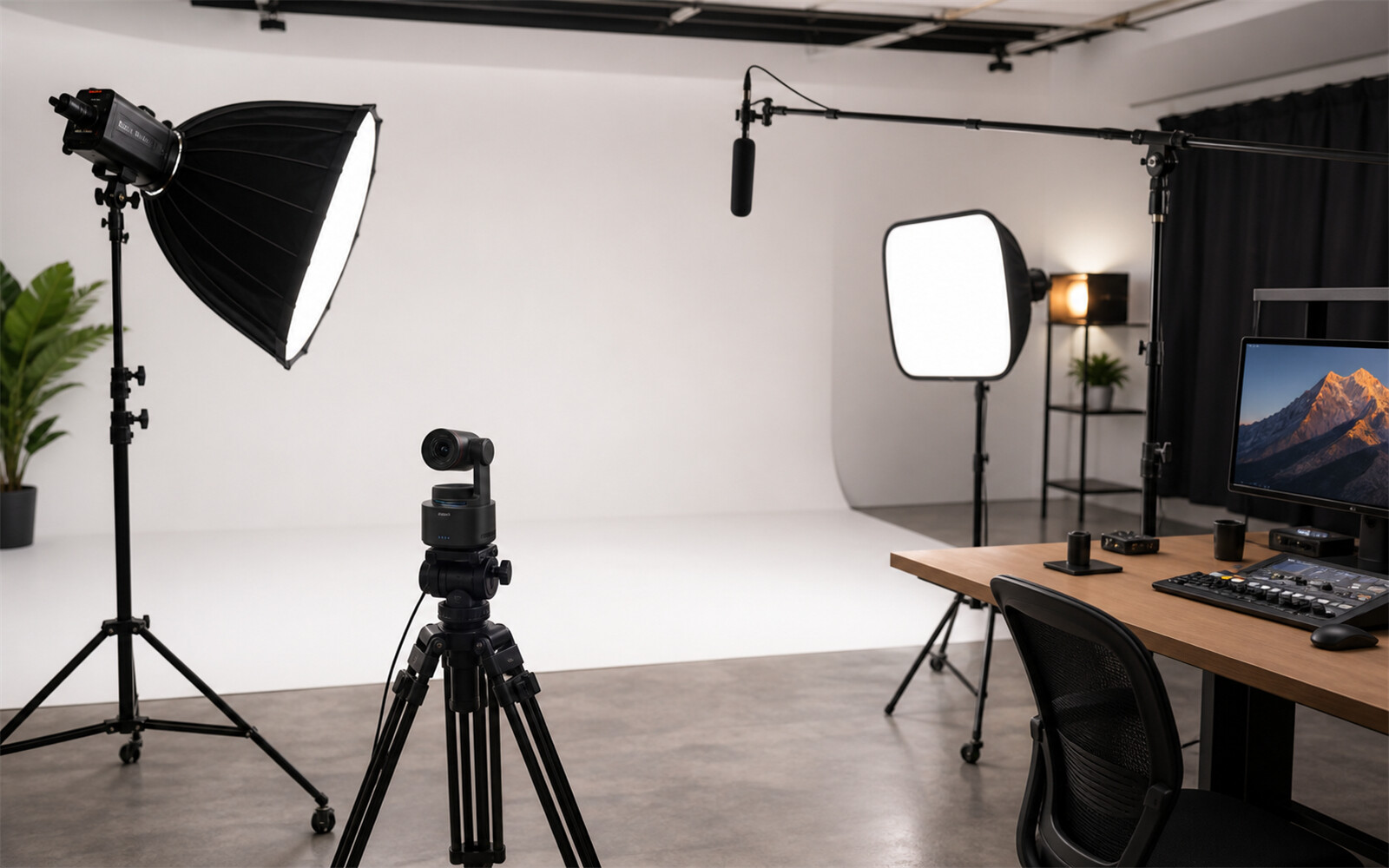
A video production studio is not always something you build yourself. For many businesses, creators, schools, and event teams, the real question is whether to rent a studio, hire a video production company, or set up a repeatable in-house recording space. This guide explains what a video production studio does, how to compare your options, what costs affect the final quote, and what to check before choosing a studio near you.
What Does a Video Production Studio Do?
A video production studio gives you a controlled environment for recording professional video. That control usually includes lighting, sound, camera placement, background, production workflow, and sometimes a crew that handles filming, directing, switching, and editing.
Depending on the business model, a video production studio may offer only the physical space, or it may operate as a full-service video production company. The difference matters. A rental studio gives you the room and sometimes basic gear. A production company helps with creative planning, filming, editing, and final delivery.
Most people searching for a video production studio are trying to solve one of these problems:
- They need a local filming space for interviews, product videos, podcasts, or branded content.
- They want a video production company to handle the full project.
- They are comparing studio rental costs before booking a shoot.
- They want to build a small in-house video studio for recurring content.
- They need a studio that supports livestreaming, training videos, commercials, or social media content.
Rent a Studio, Hire a Company, or Build Your Own?
The right option depends on how often you produce video and how much help you need. A one-day commercial shoot has different needs from a weekly training-video workflow or a monthly podcast.
| Option | Best For | What You Get | Main Watchout |
|---|---|---|---|
| Rent a studio | Interviews, product shoots, podcasts, music videos | A controlled room, backdrops, lights, and optional gear | Hourly limits and add-on fees |
| Hire a production company | Brand videos, commercials, corporate videos, event films | Creative planning, crew, filming, editing, and delivery | Higher project cost |
| Build in-house | Courses, webinars, product demos, weekly social content | A repeatable setup your team can use often | Requires setup discipline and gear management |
If you only need one polished campaign, a full-service team may save time. If you produce content every week, an in-house video production studio can lower friction and help your team record faster.
Video Production Studio Services and Equipment
A strong studio is built around workflow, not just cameras. The best space should help you move from idea to recording to final video without wasting time on setup, audio fixes, or messy files.
| Area | What to Check | Why It Matters |
|---|---|---|
| Camera | Camera type, tripods, monitoring, backup options | Controls image quality and framing consistency |
| Lighting | Key light, fill light, back light, modifiers, stands | Makes footage cleaner and more professional |
| Audio | Lavalier mic, shotgun mic, recorder, headphones | Bad sound is harder to fix than bad framing |
| Set | Backdrop, cyc wall, furniture, props, acoustic treatment | Creates the visual style of the video |
| Production | Switcher, teleprompter, monitor, storage, editing workflow | Keeps recording, review, and delivery organized |
For a rental studio, ask what gear is included in the room rate. For a full-service video production company, ask what is handled before filming, during production, and after the shoot.
Bonus: A Flexible Camera for an In-House Video Production Studio - OBSBOT Tail 2
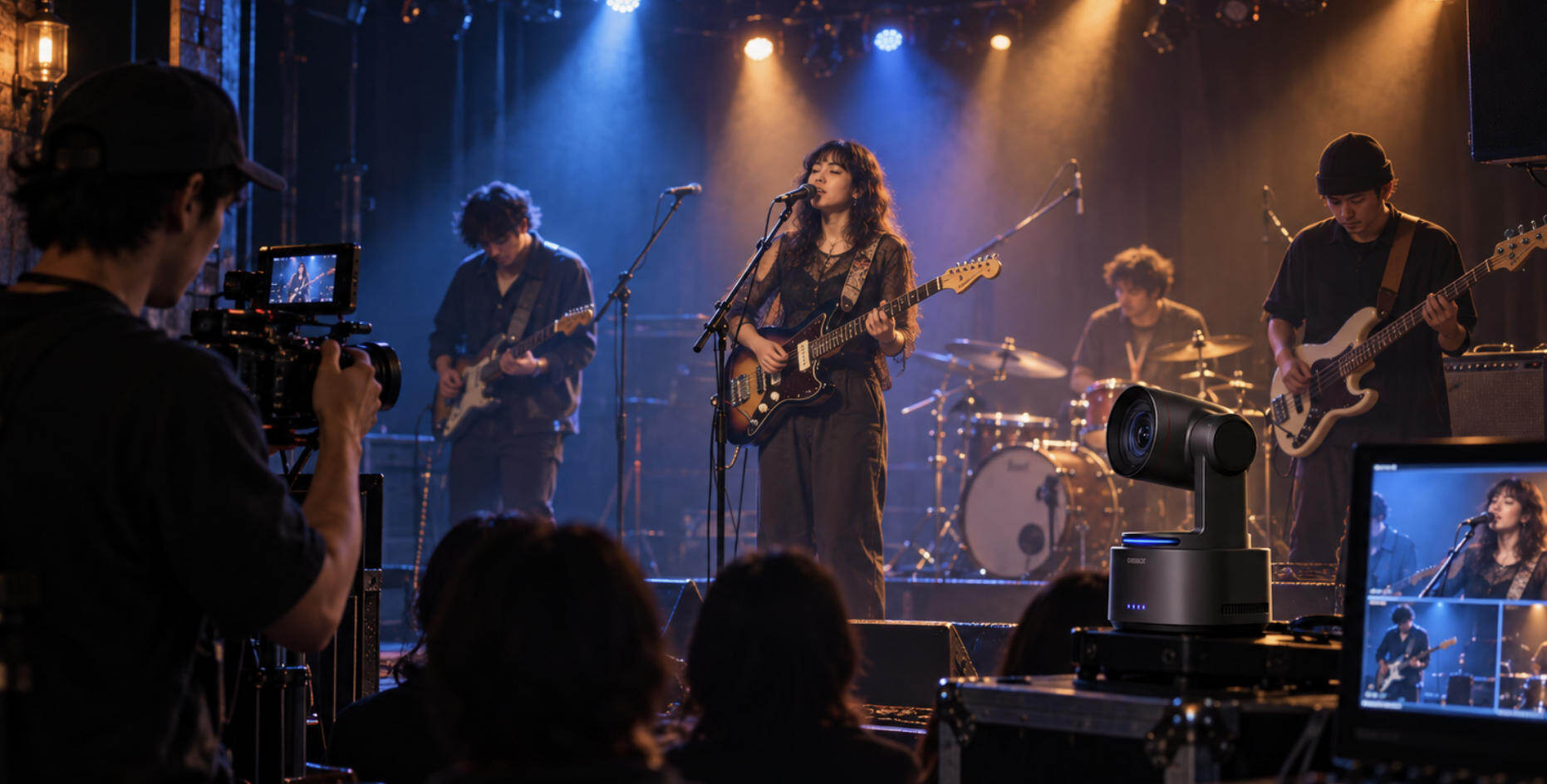
When a team builds a small in-house video production studio, the biggest challenge is often operating the camera while someone is presenting, demonstrating a product, or moving around the set. A locked-off camera can work for simple talking-head content, but it limits movement and framing variety.
The OBSBOT Tail 2 is a practical fit for small studios that need flexible video capture without a full camera crew. It is especially useful for product demos, training videos, live classes, webinars, worship content, creator studios, and multi-camera production workflows.
Why it fits this setup:
- PTZR movement: Supports pan, tilt, zoom, and rotation for more flexible framing.
- AI Tracking 2.0: Helps keep presenters, instructors, and products framed with less manual control.
- 4K 60fps capture: Gives small teams sharp footage for recording and live production.
- Low-light support: Helps preserve detail in darker studio or stage environments.
- Pro connectivity: Supports HDMI, SDI, Ethernet, USB, NDI, RTMP, RTSP, SRT, and control workflows.
How Much Does a Video Production Studio Cost?
Cost depends on whether you are renting space or buying a finished video. Studio rental is usually priced by the hour or day. Full video production services are usually quoted by project scope, crew size, filming days, editing complexity, and delivery requirements.
For rental spaces, rates vary heavily by city and included gear. Marketplace examples such as production studio rental pricing can provide a baseline, but the final cost should always be checked against the specific location, minimum booking time, equipment package, and crew support.
| Cost Type | Common Pricing Basis | What Changes the Price |
|---|---|---|
| Studio rental | Hourly or daily rate | City, room size, lights, backdrops, gear access |
| Production services | Project quote | Crew, scripting, shoot days, editing, motion graphics |
| In-house studio | Upfront setup cost | Camera, audio, lighting, room treatment, software |
A three-minute video may be inexpensive if it is a simple talking-head recording, or much more expensive if it includes creative direction, multiple locations, actors, product styling, animation, music licensing, and revisions. The better question is not only "How long is the video?" but "What has to happen before and after the camera rolls?"
How to Choose a Video Production Studio Near You
Choose by project fit, not by the prettiest studio photo. A good video production studio should match your content type, timeline, technical needs, and comfort level on set.
1. Define the video before contacting studios
Write down the type of video you need: brand film, product demo, training course, podcast, social clips, livestream, event recap, or music video. This helps the studio estimate space, crew, camera setup, lighting, and editing needs more accurately.
2. Ask whether you need a space or a production team
If you already have a videographer, renting a studio may be enough. If you need scripting, filming, editing, graphics, and delivery, look for a video production company or agency instead of a room-only studio.
3. Check the sound before the background
A beautiful room can still be a bad studio if it has echo, traffic noise, loud HVAC, or thin walls. Ask about acoustic treatment, microphone options, and whether the space is suitable for interviews or voice recording.
4. Confirm what is included
Ask whether lights, stands, backdrops, teleprompter, furniture, Wi-Fi, Ethernet, green screen, grip gear, and on-site support are included. A lower hourly rate can become less attractive if every essential item is an add-on.
5. Review portfolio examples that match your project
Do not judge a studio only by its homepage reel. Look for examples close to your actual need: corporate interviews, product launches, educational videos, music videos, livestreams, or social-first content.
6. Ask about post-production workflow
For full-service projects, confirm who handles editing, color correction, audio cleanup, captions, aspect-ratio versions, revisions, and final file delivery. A strong production workflow matters as much as the shoot day.
FAQs About Video Production Studios
How much does video production typically cost?
Video production cost depends on the project scope. Crew size, filming days, studio rental, scripting, editing, motion graphics, music, and revision rounds all affect the final quote.
How much should a 3-minute video cost?
A 3-minute video can cost very different amounts depending on complexity. A simple studio recording may be relatively affordable, while a polished brand video with creative direction, multiple scenes, lighting, editing, and graphics can cost much more.
How much does a filming studio cost?
A filming studio is usually priced by the hour or day. The rate depends on location, studio size, minimum booking time, included lights, backdrops, gear access, and whether technical support is included.
What is the difference between a video production studio and a video production company?
A video production studio usually refers to the space or facility where video is recorded. A video production company usually provides the full service, including planning, filming, editing, and final delivery.
Should I search for a video production studio near me or a video production company?
Search for a video production studio near you if you mainly need a controlled filming space. Search for a video production company if you need help planning, shooting, editing, and delivering the entire video.
What should I ask before booking a video production studio?
Ask what is included in the rate, what gear is available, whether the room is sound-treated, how many people it fits, whether there is parking or loading access, and what happens if your shoot runs over time.
Conclusion
A video production studio should help you create better video with less friction. Rent a studio when you need a professional space for a specific shoot, hire a video production company when you need full project support, and build an in-house studio when content has become part of your regular workflow. The best choice is the one that matches your project, budget, timeline, and production skill level.