6 Best Cameras for Sports Videography in 2026
Sports video is hard to get right. Players don't hold still for a second take, and light at one end of a field rarely matches the other. And in these moments, a perfect camera is the savior you need. But which is the perfect one for you?
The right sports videographer camera depends on: your sport, your shooting distance, your crew size, and whether you need a full game, highlights, or a live stream.
This guide covers what actually matters, then compares six real options.
What Makes a Good Sports Videographer Camera?
Before diving into details, let's understand what makes a good sports camera.
- Autofocus and subject tracking. If your camera is losing focus during a sprint, it will ruin the clip, and you cannot fix that in the edit. Most cameras today use phase-detection autofocus with subject recognition for people, animals, and vehicles.
- Frame rate. It means how smooth your footage looks and how much slow motion you can use later. For most sports, 4K at 60fps gives clean, watchable footage that holds up on a big screen or a broadcast feed. If you want true slow motion for a diving catch or a buzzer-beater, we suggest look for 120fps or higher.
- Shutter speed. There is a basic rule many video professionals use: keep your shutter speed at roughly double your frame rate. That means about 1/120s for 60fps footage. A faster shutter freezes a ball in mid-air, but push it too far and motion starts to look choppy rather than smooth.
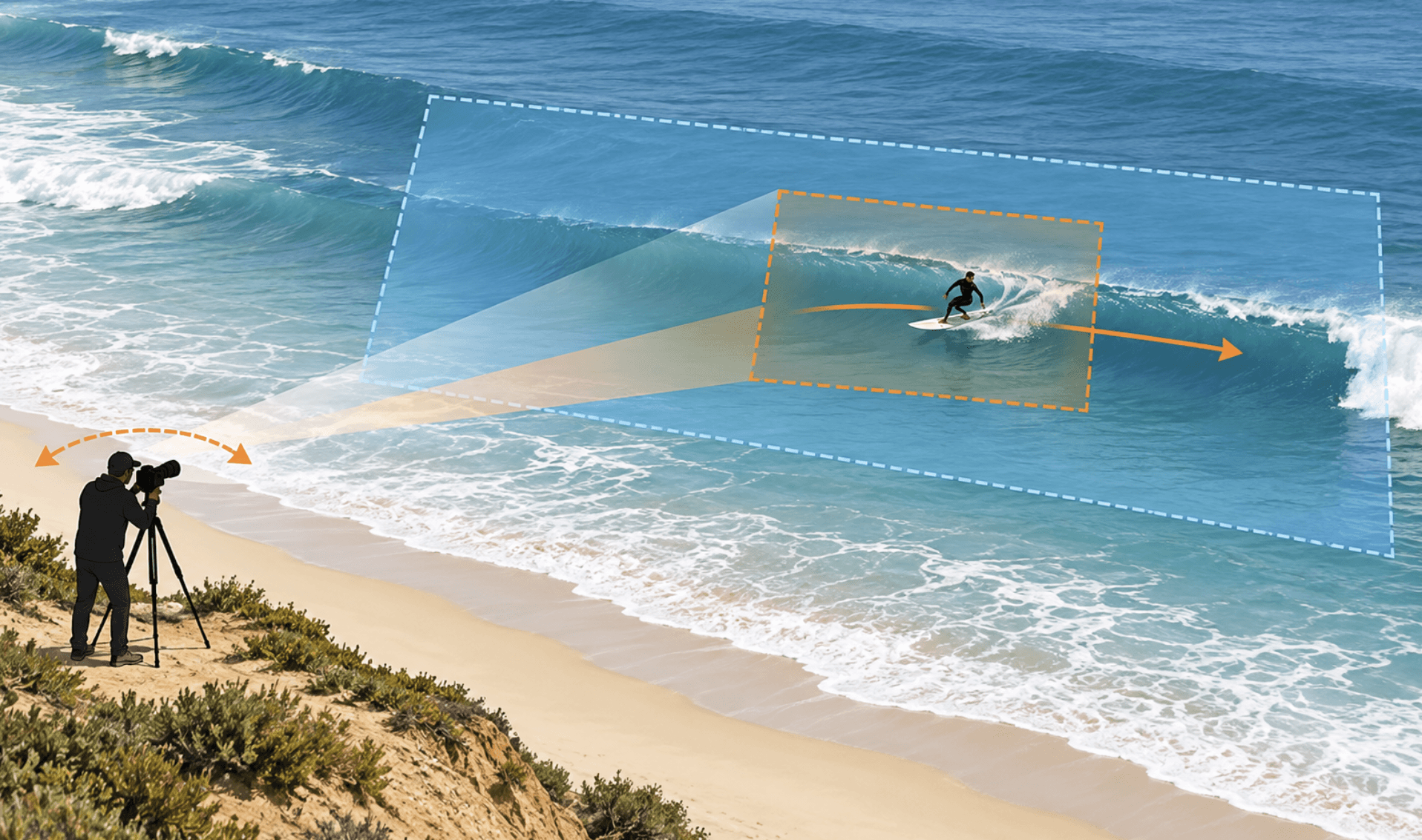
- Zoom reach. Sideline shooters usually stand 30-100 feet back from the play, sometimes further at a large stadium or a wide track. At that range, reach matters more than resolution. A 70-200mm lens or longer covers that on an interchangeable-lens camera.
- Battery and ports. A camera for filming sports has to last through an entire match. Look for 4-5 hour ratings and real outputs like SDI, HDMI, and NDI if you're feeding a stream.
Note: Do not leave shutter speed setting on full auto, since most cameras will pick a shutter speed built for still photos, not clean video. Remember to tune the camera to your subject's speed and your shooting distance. Not to whichever spec sheet looks most impressive.
6 Best Sports Video Cameras
Every sport and budget points to a different camera.
Here are six worth shortlisting, from a solo AI tracker to full-frame bodies broadcast crews use. From fast sports like camera for filming football and best baseball camera that push gear hardest, since both combine long distances with split-second plays to the steady ones.
Quick Comparison
| Camera | Price (Body) | Sensor | Max Video | Zoom / Reach | Best For |
|---|---|---|---|---|---|
| Sony ZV-E10 II | $999 | 26MP APS-C | 4K 60fps | Lens-dependent | Beginners, tight budgets |
| OBSBOT Tail 2 | $1,199 | 1/1.5" CMOS | 4K 60fps | 12x Hybrid (5x optical) | Solo shooters, coaches |
| Canon EOS R5 Mark II | $4,299 | 45MP full-frame stacked | 8K 60fps, 4K 120fps | Lens-dependent | Pros needing stills + video |
| Sony FX3 (FX3A) | $4,298 | 12.1MP full-frame | 4K 120fps | Lens-dependent | Low-light, cinematic footage |
| Nikon Z8 | $3,499-$3,999 | 45MP stacked full-frame | 8K 60fps RAW, 4K 120fps | Lens-dependent | Motorsport, cycling, track |
| Fujifilm X-H2S | $2,499 | 26.1MP APS-C stacked | 6.2K 30fps, 4K 120fps | Lens-dependent (crop reach) | Budget speed shooters |
Sony ZV-E10 II
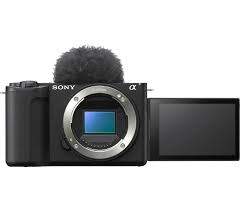
The ZV-E10 II is the entry point on this list, built for beginners who aren't ready to spend thousands on a body and lens kit.
Key Features:
- 26MP APS-C sensor: The same sensor found in Sony's pricier a6700 and FX30.
- 759-point autofocus with real-time Eye AF: Supports real-time Eye AF for both people and animals.
- 4K at 60fps, 1080p at 120fps: Covers standard game footage and basic slow motion.
- Compact, lightweight body: At 377g with the battery, it's easy to pack alongside other gear. This matters for a parent or volunteer coach who is filming games between other jobs.
Price: $999. Add a lens with real reach, and it's still cheaper than most used full-frame kits.
It is an excellent choice for parents, school teams, and solo creators filming youth or amateur games, a use case covered further in this soccer videography guide.
The drawback of this one is that it does not have in-body stabilization or a mechanical shutter, so fast pans can bring some rolling-shutter wobble. That means it works best mounted on a tripod rather than handheld.
Also, it has limited weather sealing means it's better suited to dry-weather games.
OBSBOT Tail 2 4K Live Production Camera
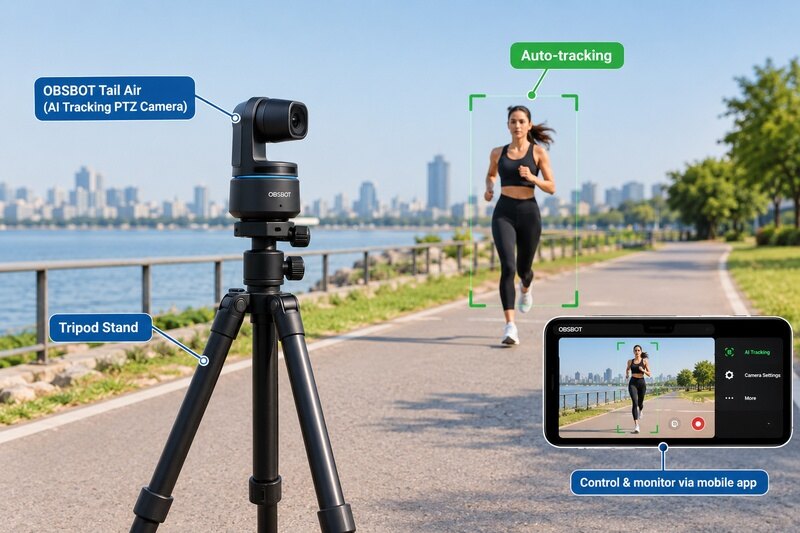
The Tail 2 is not a camera you hold. It is an AI-powered PTZR (pan-tilt-zoom-rotate) camera built for solo operators and small teams. Usually for those who cannot spare someone to run a tripod for an entire game.
Features worth noting:
- AI Tracking 2.0: It locks onto a chosen player, coach, or presenter and automatically follows them, without anyone touching the camera during play.
- 12x Hybrid Zoom (5x optical): Pulls in a distant player without anyone moving the tripod.
- 90-degree lens rotation: Shoots vertical and horizontal from the same session, for social clips and broadcast at once.
- 3G-SDI, HDMI, NDI HX3, POE+ Ethernet: Plugs straight into a switcher or stream without extra converters. These ports fullfil some major requirement for live productions.
- 5,000mAh battery, roughly 5 hours of runtime: Covers most full games without a mid-match swap.
Price: $1,199, less than a third of a full-frame body, before adding a lens.
This one should be a #1 choice for solo coaches, one-person live streams, and teams without a dedicated camera operator.
It replaces both the camera operator and the tripod-hand, something covered in more depth in this guide to cameras for recording basketball games. Image quality tops out below a full-frame sensor, since it's built for automation first.
Canon EOS R5 Mark II
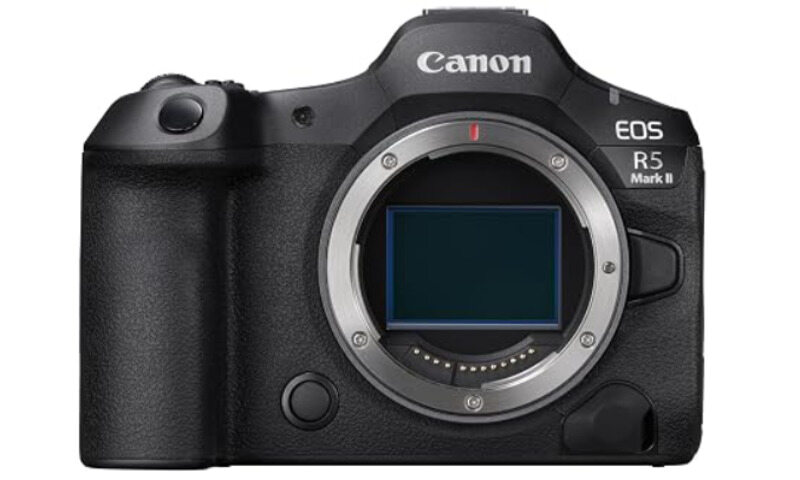
The R5 Mark II is Canon's pick for shooters who need one camera to handle multiple sports and both stills and video. It's built around a new Action Priority autofocus mode that recognizes plays in soccer, basketball, and volleyball, rather than just locking onto the nearest face.
Its key features are:
- 30fps electronic shutter, 12fps mechanical: More frames per second means less chance of missing the exact moment a foot hits the ball.
- Pre-continuous shooting: The camera saves the half-second before you fully press the shutter, so you still catch the play if your reaction is a beat late.
- 8K RAW at 60fps, 4K at 120fps: 8K gives you more room to crop and reframe later. 4K120 is for slow-motion replays that become highlights later.
- Action Priority AF: Tracks ball and player movement together, so focus holds on your subject even when others cross the frame.
Price: $4,299 body-only. A telephoto lens for real reach often costs close to that again.
This one's best for multi-sport pros, school and club teams needing both video and stills.
Tradeoff: the autofocus is built specifically for three sports, not adapted from a general system. Total cost climbs fast once a lens is added, and the body weighs 746g with battery and card. That's heavier than the mirrorless options below.
Sony FX3 (now sold as the FX3A)
The FX3 is Sony's pick for crews shooting under stadium lights or in dim gyms, where low-light performance matters more than resolution.
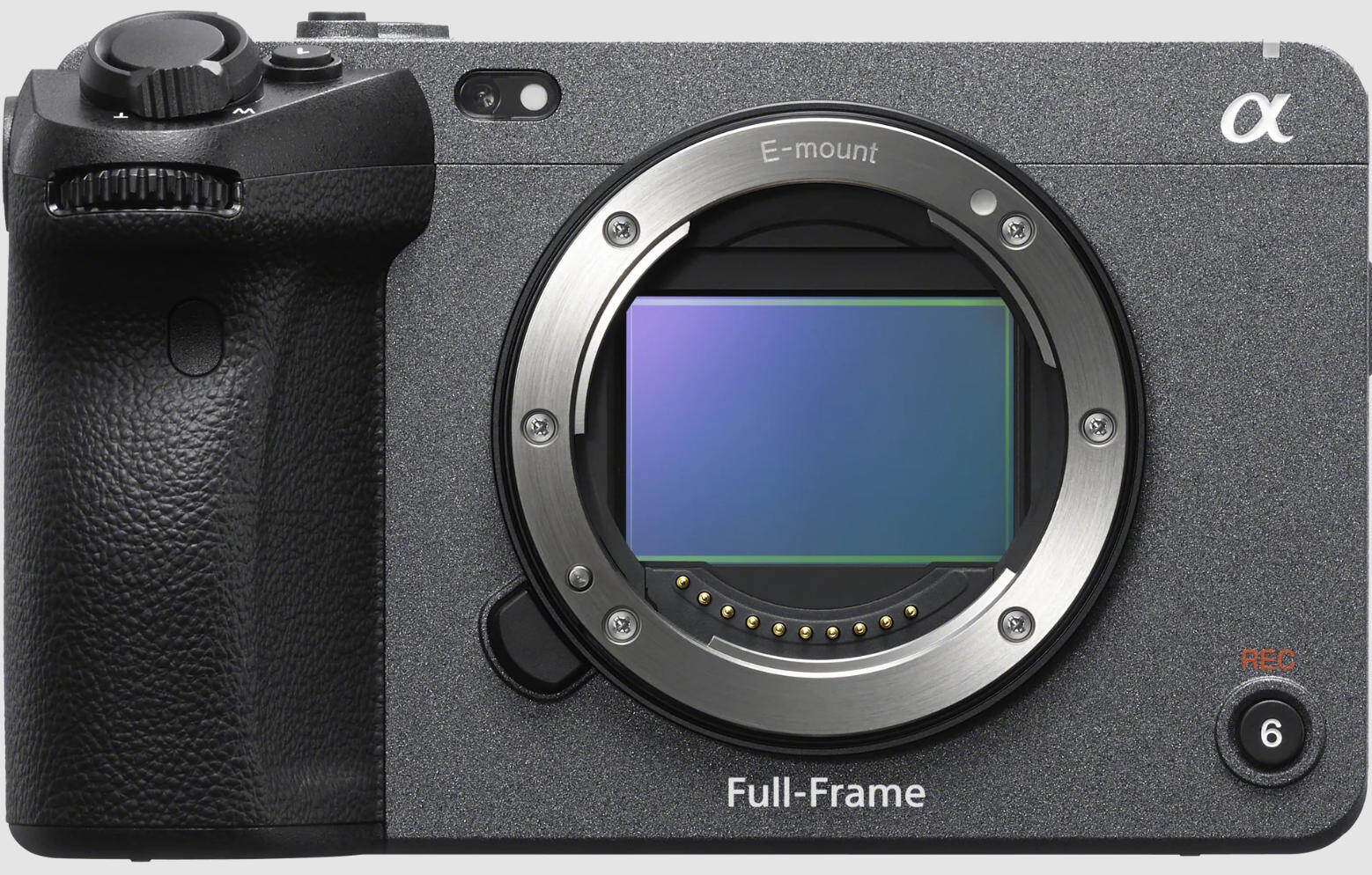
Major highlights of the camera:
- 12.1MP full-frame sensor: Fewer, larger pixels gather more light per pixel, which is why this camera handles stadium lights and evening games well.
- Over 15 stops of dynamic range: Keeps detail in both bright sky and shadowed players in the same frame.
- 4K at 120fps, 10-bit color: Smooth slow motion with more room to color-grade afterward.
- Fan-cooled, cage-free body: Runs a multi-hour tournament without overheating.
- No built-in viewfinder: Composition happens entirely from the rear screen or an external monitor, which matters in bright midday sun.
Price: the FX3A now runs around $4,298, up from roughly $3,898 before its 2026 refresh.
A great option for: small crews filming night games or indoor arenas with uneven lighting.
Note that a low-light performance beats higher-megapixel rivals here. That 12.1MP count also means less room to punch in and reframe compared to the 45MP bodies on this list.
Nikon Z8
The Z8 shares its sensor and processor with Nikon's flagship Z9, in a smaller body at a lower price. That means you get most of the Z9's autofocus strength without the Z9's size or price.
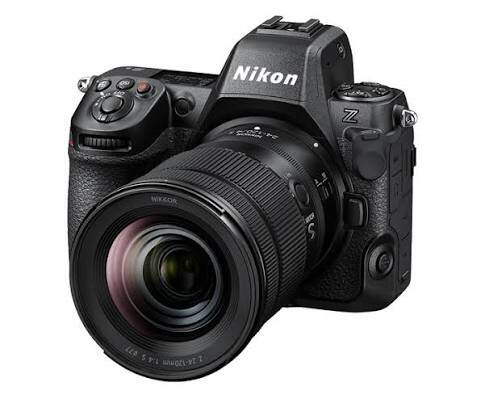
Key Features:
- 45.4MP stacked sensor: High enough resolution to pull a usable still photo from the same session as your video.
- 20fps RAW, up to 120fps in reduced-res JPEG: Handles both controlled shots and chaotic bursts of fast action.
- 8K RAW at 60fps, 4K at 120fps: Room to crop in post, plus real slow motion.
- Dual card slots, CFexpress Type B and SD: Backs up footage automatically, so one failed card doesn't cost you the game.
- Weather-sealed magnesium alloy body: Holds up in rain and dust better than a lighter camera would.
A review found the autofocus stayed locked through fast, unpredictable movement, calling it more adaptive than Nikon's earlier cameras. Reviewers who tested it at bike races reported the same: focus held even with other riders crossing in front of the lens.
Price: it launched at $3,999. It now sells for closer to $3,499 with current rebates.
If you are involved with shooters covering motorsport, cycling, or track events where subjects move unpredictably, this migt be the one you are looking for.
A tradeoff for many users with this device is it has a near-flagship autofocus at a lower price and weight than the Z9. It's still a full lens-and-body investment, similar in total cost (roughly $5,500 to $6,500 once you add a telephoto lens) to the best camcorders for sports.
Fujifilm X-H2S
The X-H2S is Fujifilm's speed-focused flagship. It trades full-frame image quality for raw shooting speed at roughly half the price of the cameras above.
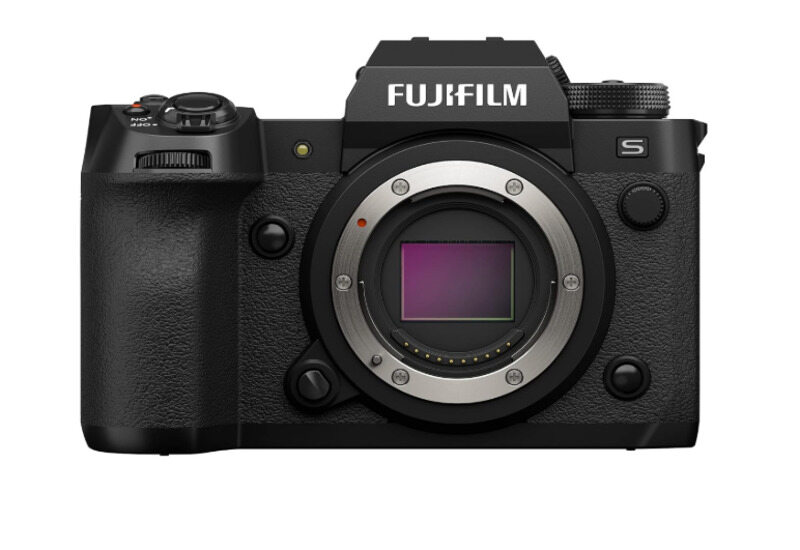
Distinguishing features of Fujifilm are:
- 40fps electronic shutter, 15fps mechanical: Among the fastest burst rates on this list, useful for unpredictable, close-range action.
- APS-C crop sensor: A smaller sensor stretches any lens's effective reach, so a 200mm lens behaves like 300mm.
- 6.2K open-gate, 4K at 120fps: Flexible for reframing and for slow motion.
- Subject recognition for people, animals, birds, vehicles: Covers most outdoor sports and wildlife-adjacent shooting in one system.
- 5-axis in-body stabilization, up to 7 stops: Steadies handheld shots when a tripod isn't an option on the sideline.
It has continuous autofocus and wide tracking turned on. Its body is also weather-sealed, which matters for anyone filming outdoor sports in rain or dust. It is best for shooters who want stacked-sensor speed without a full-frame price tag.
Price: $2,499, roughly half the cost of the R5 Mark II or FX3.
Drawback: the full-frame low-light performance isn't the strength here. And the fastest burst mode needs pricier CFexpress cards to keep up.
FAQs on Sports Videographer Camera
Below we also addressed other questions when choosing a professional video camera for sports.
What camera do sports videographers use?
Solo creators and coaches often use AI-tracking cameras like the OBSBOT Tail 2. The Softball streamer Tim Coombs is a documented example, covered in this OBSBOT sports case study. Broadcast crews use mirrorless bodies or camcorders with long lenses, since a larger crew can afford a dedicated operator per camera and can run multiple angles at once for cutaways.
What's the best camera for sports videography on a budget?
Depends on the goal. Highlight clips work fine on the Sony ZV-E10 II. Full-game recording needs real zoom range, so a camcorder or superzoom often beats a cheap mirrorless kit. Live production benefits most from an AI-tracking camera, since it removes the need for extra crew.
Is 4K 60fps enough for sports videography?
Yes, for most game footage and social clips, and it keeps file sizes manageable for editing on a laptop. For slow-motion replays of quick moments, go to 120fps or higher, but expect shorter recording times per card.
Are PTZ or AI-tracking cameras good for sports?
Yes, especially solo shooters and fixed camera positions where you can't move freely around the field yourself. The OBSBOT Tail 2 4K live production camera can can track the subject, a use case covered further in this guide to sports tracking cameras.
What lens is best for filming sports from the sidelines?
A 70-200mm to 100-400mm telephoto covers most sideline distances. A wider aperture helps hold shutter speed up under stadium lights, and an APS-C body stretches that same lens's effective reach even further.
Bottom Line
There's no single professional video camera for sports that fits every sport, budget, and crew size, and to be fair, that's fine.
If you are coaching solo and need hands-free tracking, the OBSBOT Tail 2 will serve you better than a full-frame body and a bag of glass ever could. If you are covering a stadium game with a crew, something like the Canon EOS R5 Mark II or Nikon Z8 will earn its keep.
The tip is to match the camera to how you will actually use the footage. And the rest of the decision gets a lot easier.