Best Camera for Photo and Video: 10 Top Picks for 2026

Shooting both stills and clips with one body usually means a trade-off: weak autofocus, overheating, poor stabilization, or a price that stings. The right camera for photo and video avoids those compromises. This guide is for vloggers, content creators, travelers and hobbyists who want one device that does both well. Below you'll find tested-style picks by use case and budget, plus a short checklist for choosing.
Part 1: Best Camera for Photo and Video at a Glance
| Model | Camera type | Photo resolution | Video resolution | Sensor | Stabilization | Price | Best for |
|---|---|---|---|---|---|---|---|
| Sony A7 IV | Full-frame mirrorless | 33MP (7008 × 4672) | 4K@60fps, 1080p@120fps | Full-frame BSI CMOS | 5-axis IBIS, up to 5.5 stops | $1,999 | All-round photo and video work |
| Panasonic Lumix S5IIX | Full-frame mirrorless | 24.2MP (6000 × 4000) | 6K@30fps, 4K@60fps | Full-frame CMOS | 5-axis IBIS, up to 6.5 stops | $2,499.99 | Video-leaning hybrid shooters |
| OBSBOT Tail Air | AI-powered PTZ camera | 8.4MP (3856 × 2176) | 4K@30fps, 1080p@60fps | 1/1.8-inch CMOS | 2-axis gimbal + 6-axis gyro | $599 | Desk and tripod vlogs, live streaming |
| Nikon Z30 | APS-C mirrorless | 20.9MP (5568 × 3712) | 4K@30fps, 1080p@120fps | APS-C BSI CMOS | Electronic VR only | $709.95 | Solo creators who want a compact vlog body |
| Sony A7R V | Full-frame mirrorless | 61MP (9504 × 6336) | 8K@24fps, 4K@60fps | Full-frame BSI CMOS | 5-axis IBIS, up to 8 stops | $3,799.99 | High-resolution pros |
| Fujifilm X-M5 | APS-C mirrorless | 26.1MP | 6.2K@30fps, 4K@60fps | APS-C X-Trans CMOS 4 | Electronic (digital) only | $799.00 | Beginners moving up from a phone |
| Canon EOS R50 | APS-C mirrorless | 24.2MP (6000 × 4000) | 4K@30fps, 1080p@120fps | APS-C CMOS | Movie Digital IS | $779.99 | Beginners wanting simple controls |
| Sony ZV-E10 | APS-C mirrorless | 24.2MP | 4K@30fps, 1080p@120fps | APS-C Exmor CMOS | Electronic (Active mode) | $799.99 | Vlogging with swappable lenses |
| Fujifilm X100VI | Fixed-lens compact | 40.2MP | 6.2K@30fps, 4K@60fps | APS-C X-Trans CMOS 5 HR | 5-axis IBIS, up to 6 stops | $1,799.95 | Travel and street photo + video |
| GoPro HERO13 Black | Action camera | 27MP | 5.3K@60fps, 4K@120fps | 1/1.9-inch CMOS | HyperSmooth 6.0 (electronic) + Horizon Lock | $399.99 | Action, sports and POV |
Specs and prices are approximate and vary by retailer. Confirm current models and prices before buying.
Part 2: The 10 Best Cameras for Photo and Video
1. Sony A7 IV: Best Overall Hybrid Camera
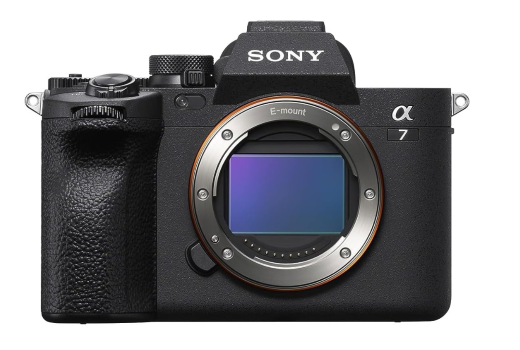
The Sony A7 IV is the safest best camera for photography and videography pick for most people. Stills are detailed, 4K video holds up for client work (4K60 uses a 1.5x crop), and low-light results stay clean. Sony's huge E-mount lens range also makes it easy to upgrade later.
Key features:
- Real-time Tracking autofocus with human, animal and bird eye detection
- 10-bit 4:2:2 internal recording with S-Log3 and S-Cinetone profiles
- Fully articulating touchscreen and full-size HDMI port
- Dual card slots, including CFexpress Type A for faster write speeds
- Focus breathing compensation for smoother focus pulls
2. Panasonic Lumix S5IIX: Best for Video-Heavy Hybrid Shooters
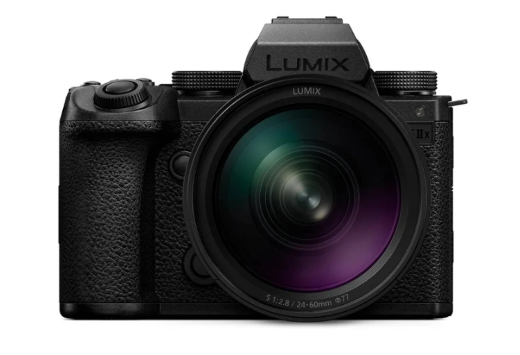
The S5IIX is a full-frame hybrid camera that leans toward video, with 6K recording and filmmaker-friendly tools. It is one of Panasonic's first S-series bodies with phase-detect autofocus, which fixed the focus hunting of earlier Lumix models. Stills are good, but video is where it stands out.
Key features:
- Phase-hybrid autofocus with subject tracking
- Internal Apple ProRes and ALL-I recording, plus RAW video output over HDMI
- Active cooling fan for long, uninterrupted clips
- Direct recording to an external SSD over USB-C
- L-mount compatibility with Leica and Sigma lenses
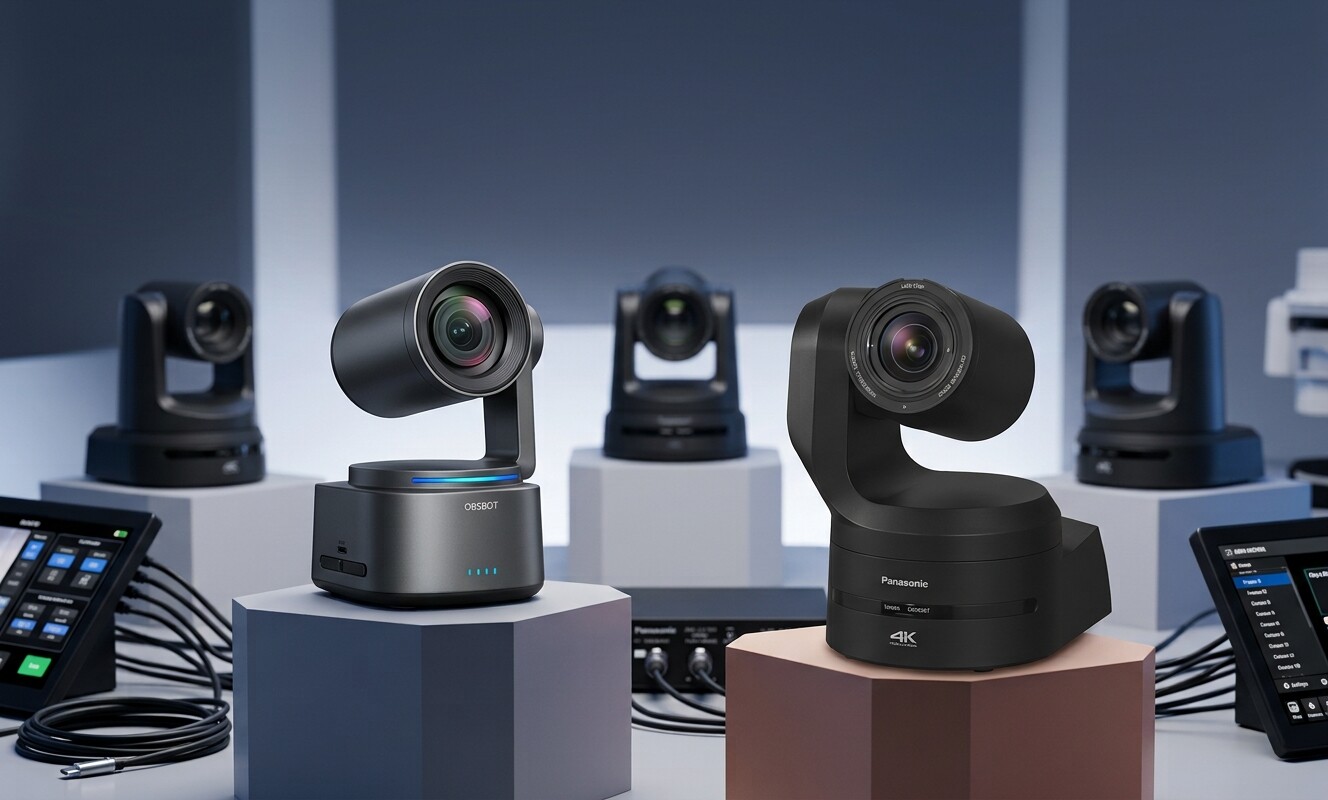
3. OBSBOT Tail Air: Best AI-Tracking Camera for Streaming
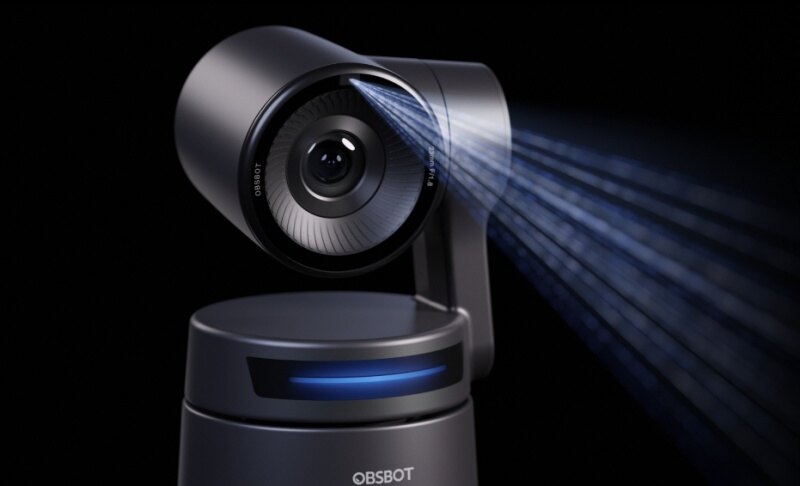
The Tail Air is a compact AI-powered PTZ camera that records 4K at 30fps and 1080p at 60fps. It tracks people, pets and objects on its own, giving solo creators and live streaming setups a hands-free camera operator. Stills are a secondary feature, and zoom is digital only (4x).
Key features:
- Gesture control and AI Director Grids for multi-view layouts
- Time-of-flight-assisted focusing
- Outputs over USB-C and micro-HDMI, with NDI available through a license
- Records to microSD, so it works without a computer
- f/1.8 lens with large pixels for better low-light footage
- Light body at about 345g
4. Nikon Z30: Best Compact Camera for Solo Creators
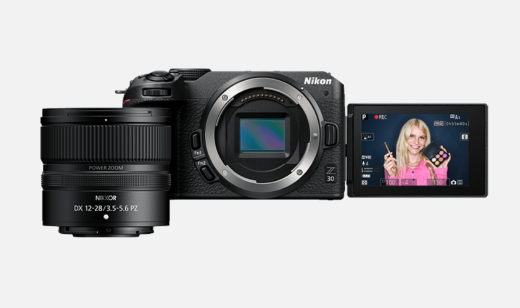
The Z30 is a compact APS-C mirrorless camera for photo and video designed with creators in mind. It records 4K at 30fps and 1080p at up to 120fps for slow motion, and it skips the viewfinder to keep the body small and affordable. It is a simple way into Nikon's Z mount for vloggers and everyday shooters.
Key features:
- Eye-detection and animal-detection autofocus
- Fully articulating touchscreen that flips to face the front
- Up to 125 minutes of continuous 4K recording
- 3.5mm mic input and a front recording lamp
- USB webcam use with Nikon's free utility software
- Light body at about 405g
5. Sony A7R V: Best High-Resolution Pro Hybrid
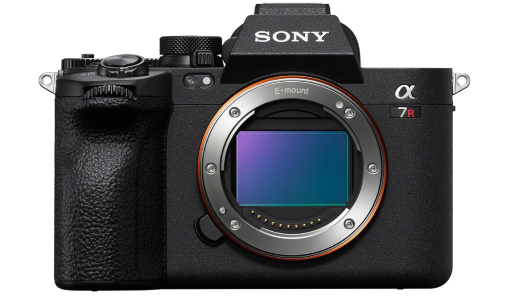
The A7R V suits commercial photographers who also deliver video. It records 8K at 24fps and pairs that with extreme still detail. Expect very large files and a price to match, so plan for fast cards and plenty of storage.
Key features:
- AI-based subject recognition with pose estimation, so tracking continues when a face turns away
- Four-axis multi-angle screen that tilts and flips
- Pixel-shift multi-shooting for ultra-high-resolution composites
- Up to 10fps burst shooting with the mechanical shutter
- Dual card slots supporting CFexpress Type A and SD
6. Fujifilm X-M5: Best Budget Camera for Beginners
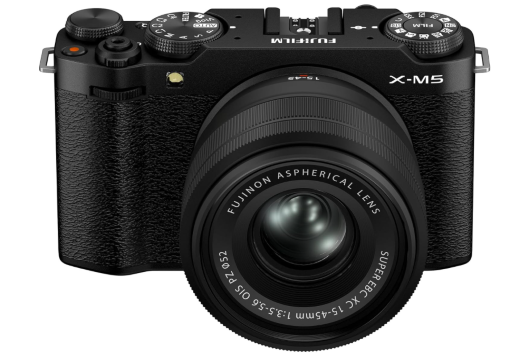
The X-M5 is a tiny, lightweight body and a strong pick for the best budget camera for photo and video if you value simplicity and style. It records up to 6.2K video and works well as a camera for photo and video under $1,000. There is no viewfinder, so you compose on the rear screen.
Key features:
- Dedicated film simulation dial with 20 color looks straight out of camera
- AI subject-detection autofocus
- Vertical video support for social platforms
- Fully articulating touchscreen and 3.5mm mic input
- Weighs around 355g with USB-C charging
7. Canon EOS R50: Best Entry-Level Option for Beginners
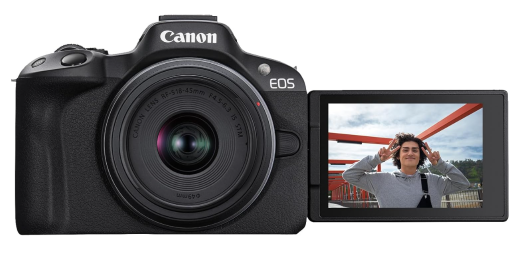
The R50 is Canon's easy way into the RF mount and a simple entry-level camera for photo and video. It handles everyday photos and 4K clips with little setup, thanks to Canon's reliable autofocus. It suits first-time buyers who want one small camera for family moments, travel and social content.
Key features:
- Dual Pixel CMOS AF II with people, animal and vehicle detection
- Fully articulating touchscreen and built-in electronic viewfinder
- Up to 15fps burst shooting with the electronic shutter
- 3.5mm mic input for clearer audio
- Compact body at about 375g
8. Sony ZV-E10: Best Camera for Vlogging
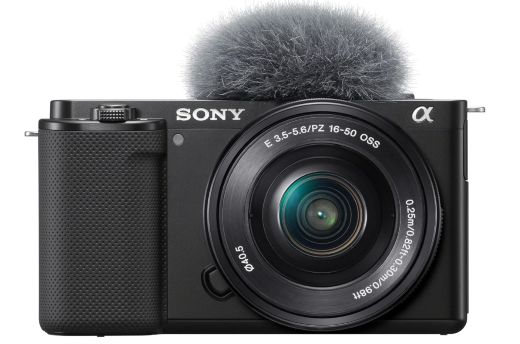
Built for creators, the ZV-E10 is a popular best camera for vlogging choice, with 4K30 video and creator-friendly settings. Stills are very good for the price, and the E-mount lets you upgrade lenses as your skills grow.
Key features:
- Background Defocus button that toggles blur with one press
- Product Showcase setting that shifts focus to an item you hold up
- Directional three-capsule mic with an included windscreen
- Fully articulating screen and 3.5mm mic jack
- USB streaming as a plug-and-play webcam
9. Fujifilm X100VI: Best Compact Camera for Travel
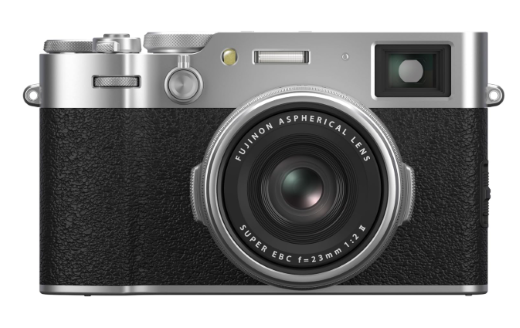
The X100VI is a pocketable compact camera for photo and video with a fixed 23mm f/2 lens (about 35mm equivalent) and classic dials. It records up to 6.2K video, and it is discreet, fast to use and loved for its colors. Demand is high, so stock and pricing can vary.
Key features:
- Hybrid optical and electronic viewfinder
- Built-in 4-stop ND filter for shooting video in bright light
- Film simulations, including Reala Ace
- Tilting touchscreen and subject-detection autofocus
10. GoPro HERO13 Black: Best Action Camera
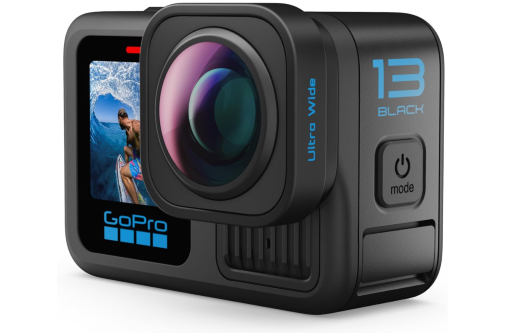
A rugged, waterproof camera built for sports, travel and POV footage. It records 5.3K at 60fps and mounts almost anywhere. It will not match a mirrorless camera for image quality, but nothing is easier to take into harsh conditions.
Key features:
- Waterproof to 33ft (10m) with no extra housing
- HB-series lens mount for ND filters, macro and ultrawide mods
- Magnetic latch mounting for fast swaps
- Horizon Lock keeps footage level even when the camera rotates
- Enduro battery designed for cold weather
Part 3: How to Choose the Right Camera for Photo and Video
Decide Your Priority
Be honest about your split. If photo comes first, favor resolution and lens choice. If video comes first, favor stabilization, codecs and a mic port. If you do both equally, a hybrid camera with balanced specs is the best fit.
Camera Type
| Type | Strength | Weakness |
|---|---|---|
| Mirrorless | Best mix of quality, size and video features | Battery life can be shorter |
| DSLR | Great battery, optical viewfinder | Older video tech, bulkier |
| Compact | Pocketable and simple | Limited lens flexibility |
| Action camera | Rugged and wide | Small sensor, weaker low light |
For most buyers, mirrorless vs DSLR is an easy call: choose mirrorless.
Sensor Size and Resolution
Full-frame sensors give better low-light results and shallower depth of field. APS-C offers a smaller, cheaper system with great quality in good light. More megapixels help cropping and large prints, but they do not make video better.
Video Specs That Matter
- 4K is enough for most creators; 6K/8K mainly helps cropping and pro workflows
- Frame rates: 24/30 fps for normal footage, 60/120 fps for slow motion
- 10-bit color and log profiles give more flexibility when color grading
- Overheating and recording limits affect long clips, so check reviews
Autofocus and Stabilization
Look for eye and subject tracking that works in both stills and video. In-body image stabilization (IBIS) makes handheld clips much smoother, especially without a gimbal.
Audio, Screen and Ports
A microphone jack is essential for clear sound. Add a flip-out or front-facing screen for vlogging, plus HDMI and USB-C for external recorders or webcam mode.
Lenses and Accessories
Lens cost can exceed body cost, so check the ecosystem first. Budget for these basics:
- Extra batteries
- Fast memory cards
- External microphone
- Tripod or gimbal
Budget Guide
| Budget | What to expect |
|---|---|
| Under $700 | Entry mirrorless, 4K, basic autofocus, no IBIS |
| $700–$1,800 | APS-C with IBIS, better autofocus, 10-bit video |
| $2,000+ | Full-frame, advanced codecs, pro-grade autofocus |
Part 4: FAQs About Camera for Photo and Video
1. What is the best camera for both photos and videos?
The Sony A7 IV is the best all-round pick for most people. If you're on a tighter budget, the Canon EOS R100 or Fujifilm X-M5 deliver solid results. Vloggers should consider the Sony ZV-E10.
2. Is a mirrorless camera better than a DSLR for photo and video?
Yes, for most buyers. Mirrorless bodies offer better autofocus, newer video features and smaller size. DSLRs still make sense if you already own the lenses.
3. Can a smartphone replace a dedicated camera?
For casual use, yes; for quality and control, no. Dedicated cameras have bigger sensors, optical zoom, better low-light results and interchangeable lenses. Phones win on convenience.
4. Do I need 4K or 8K video?
4K is enough for almost everyone. Choose 8K only if you crop heavily or deliver for high-end productions.
5. Full-frame or APS-C for hybrid shooting?
APS-C is the better value; full-frame is the better performer. Pick full-frame for low light and depth of field, and APS-C for size and cost.
6. What is the best camera for photo and video under $1,000?
The Fujifilm X-M5 and Canon EOS R100 are the top budget options. Both include modern 4K-class video and are easy to use.
7. What is the best camera for vlogging with good photo quality?
The Sony ZV-E10. It offers a flip-out screen, mic input and sharp stills in a light body.
8. Do cameras overheat when recording long videos?
Some do, especially compact bodies at high resolutions. Lower the resolution or frame rate, use a fan or external recorder, and read reviews for recording limits.
Conclusion
The best camera for photo and video is the one that matches your priorities, not the one with the longest spec sheet. Consider your shooting needs, budget, autofocus, stabilization, and video quality. Choose a camera that fits your needs and offers the best value.