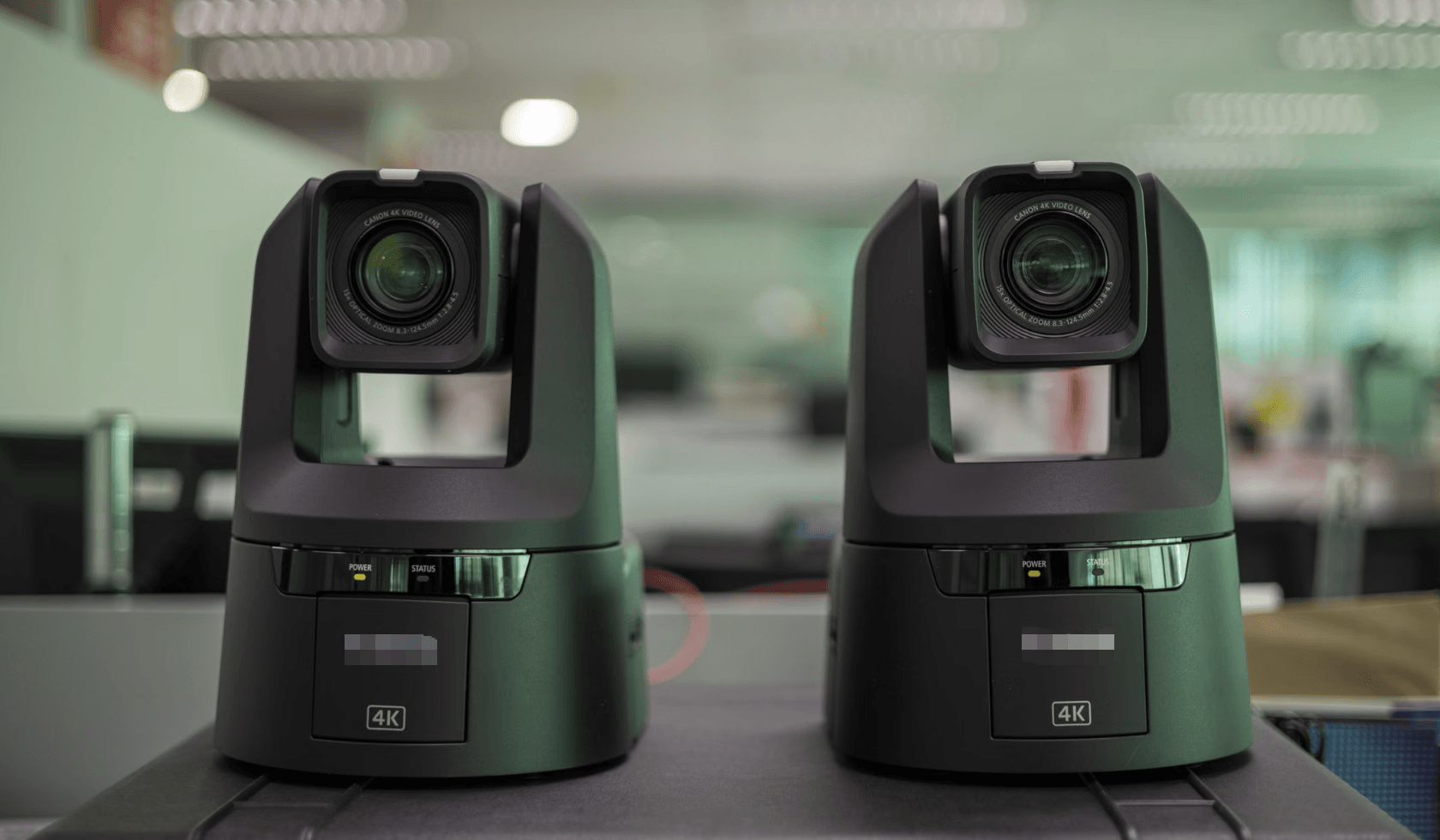
7 Best Cameras for Horse Riding Recording in 2026
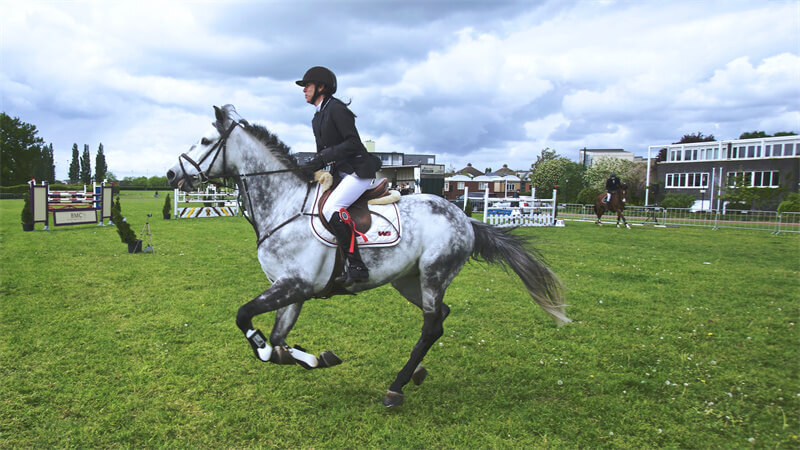
Now, when it comes to the best camera for horse riding, there are various options available in the market. To ease your efforts, we have compiled a few cameras for horse riding in this guide.
Part 1: Factors to Consider When Choosing a Camera for Horse Riding
Choosing the right camera for horseback riding isn’t just about getting good image quality. You also need to think about bumps on the trail, sudden movements, and unpredictable outdoor conditions. The following factors will help you pick a camera that’s both durable and practical, so you can capture every exciting moment of your ride with ease:
- Stabilization: Strong stabilization is a must-have — it keeps your footage smooth even when the horse is galloping over bumpy trails or making sudden turns.
- Tracking Capability: If you're riding solo or training, smart tracking is a lifesaver — the camera follows you and your horse automatically, so you don’t have to worry about missing the action.
- Durability/Waterproofing: Outdoor riding can be unpredictable. A rugged, waterproof camera ensures your gear survives dust, mud, rain, and accidental bumps.
- Size & Weight: Lightweight and compact cameras are more comfortable to wear — whether on a helmet, chest strap, or saddle — so you barely notice them while riding.
- Mounting Versatility: Flexible mounting options give you freedom to capture different angles — on helmets, chest mounts, or even directly on the saddle for unique perspectives.
- Field of View & Perspective: Wide-angle lenses and POV setups let you capture the full excitement of the ride, from galloping down trails to jumping over obstacles, giving viewers a real sense of being there with you.
Part 2: Top 7 Cameras for Horse Riding
Quick Guide: Best Cameras for Horse Riding
| Camera | Video Quality | Tracking | Portability | Price | Best For |
|---|---|---|---|---|---|
| OBSBOT Tail Air | 4K Ultra HD | AI tracking (human & animal) | High (lightweight, wireless) | $499 (Premium) |
Solo riding, training sessions, hands-free tracking |
| SOLOSHOT Optic65 | 1080p Full HD | GPS-based auto tracking | Medium (tripod-based setup) | $699 (High-end) |
Arena training, fixed-position tracking from the ground |
| Pivo Pod | Depends on the smartphone camera | Phone-based face & body tracking | High (compact and lightweight) | $139.99 (Great value) |
Casual riding, beginners, phone-based filming |
| Insta360 GO 3 | 1440p | No tracking | Very High (ultra-lightweight) | $359 (Mid-range) |
Helmet POV shots, immersive first-person riding views |
| DJI Osmo Action 4 | 4K 60fps | No tracking | High | $299 (Mid-range) |
Outdoor trail rides, stable action footage |
| GoPro HERO13 Black | 5.3K 60fps | No tracking | High | $429.99 (Premium) |
Professional POV filming, cinematic riding videos |
| GoPro HERO10 Black | 5.3K 60fps | No tracking | High | $299.99 (Mid-range) |
Reliable all-around horse riding recording |
Now, after considering the factors for the best camera for horse riding, the top 7 cameras are mentioned here, including all the necessary elements that a horse rider's camera should have. Let us discuss in detail:
AI Tracking & Smart Follow Cameras
1. OBSBOT Tail Air Streaming Camera
Many people are looking for a camera that can free up their hands and automatically track subjects while horseback riding. Are you one of them? The OBSBOT Tail Air can meet your needs! It has powerful AI tracking capabilities and delivers ultra-high-definition image quality.
Key Features
- 4K Ultra HD Video for Capturing Every Detail: Record your horse riding sessions in stunning 4K resolution, ensuring all the elegant movements, jumps, and strides are captured in vivid clarity. Make every gallop and turn unforgettable.
- AI Tracking for Riding Action: The built-in AI-powered tracking keeps the camera focused on you or your horse, no matter how fast or far you move. Whether you're riding in an arena, on a trail, or during a competition, OBSBOT Tail Air ensures you never leave the frame.
- Stable Footage: Equipped with electronic image stabilization to ensure smooth and stable footage even during fast-paced movements.
- Solo Recording: This enables riders to focus on their riding experience without the need for a camera operator, allowing for a more natural and immersive filming process.
- Wireless Streaming for Real-Time Sharing: Stream your rides or training sessions live to platforms like YouTube or Facebook using Wi-Fi connectivity. Perfect for sharing rides with remote trainers or fans in real-time.
- Portable and Lightweight Design: Perfect for on-the-go riders. Take it anywhere, training sessions at the stable, outdoor trail rides, or equestrian events, without extra bulk.
Price: $499
2. SOLOSHOT Optic65 Camera
The SOLOSHOT Optic65 is designed for riders who want a hands-free way to record their rides from the ground. It’s often used during arena training or practice sessions, where setting up a fixed tracking camera feels more natural than wearing one.

Key Features
- Automatic Tracking: The 360° base follows your position around the arena or field. It works best on open, flat surfaces and keeps you in frame during routine exercises.
- HD Video Capture: You get 1080p footage that clearly shows posture, transitions, and jumps, suitable for reviewing and improving technique.
- Hands-Free Operation: The camera runs for 3–4 hours on battery, allowing uninterrupted focus on your ride.
- Tripod or Stable Mount: It stays securely on the tripod, giving a consistent perspective
Price: $699.00
3. Pivo Pod
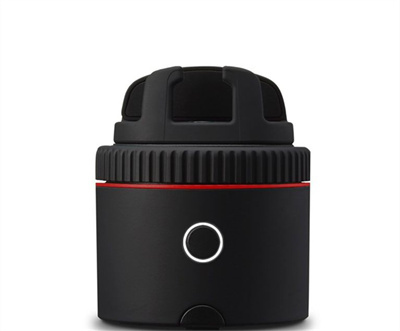
The Pivo Pod is a compact smart tracking device designed for riders who want a simple, budget-friendly way to film themselves without help. Paired with your smartphone, it automatically follows your movement, making it suitable for casual riding, basic training sessions, or short clips.
Key Features
- Smart Auto Tracking: Pivo uses face and body tracking to rotate smoothly as you move, keeping you and your horse in frame. In real use, tracking works best at a steady pace and shorter distances.
- Adjustable Rotation Speeds: With up to 6 rotation speed modes and a maximum rotation speed of 2×, you can choose a smoother follow for walking and trotting or a quicker response for faster movement.
- Tripod-Compatible Design: The standard 1/4-inch screw mount makes it easy to attach to most tripods, so setting it up around the riding area feels familiar and straightforward.
- Long Battery Life: A built-in battery lasting up to 10 hours allows you to record multiple sessions without constantly worrying about recharging.
- Lightweight & Portable: Weighing just over 200g, it’s easy to carry in your gear bag, especially if you prefer filming with a phone rather than a dedicated camera.
Price: $139.99
Helmet Cameras & Wearable POV Cameras
1. 360 Go 3
The Insta360 GO 3 is tiny and can be mounted on helmets, chest straps, or saddles. You barely feel it during rides, yet it captures a POV view that gives a vivid sense of motion.

Key Features
- Video Quality: Footage at 1440p and 50fps keeps rides smooth and detailed. Many users notice that small movements, like rein adjustments, are clearly visible.
- Stabilization: Even on bumpy trails, the FlowState stabilization keeps shots steady. Riders often feel like they are reviewing a “ride from their own eyes.”
- Mounting Flexibility: Multiple mount options allow creative angles, and you can switch between helmet and chest quickly and easily.
- Battery Life: About 150 minutes, it's enough for a few standard sessions without worrying about running out of power.
Price: $359.00
2. DJI Osmo Action 4
The DJI Osmo Action 4 is a robust camera that handles outdoor conditions well. Riders who mount it on helmets or chest straps report that it feels secure and captures sharp, stabilized footage.

Key Features
- Video Quality: 4K at 60fps delivers crisp, vivid rides. You can clearly see every stride and jump, which makes reviewing your performance easier and more insightful.
- RockSteady Stabilization: The footage stays steady even on rough trails, so you can enjoy smooth playback without needing extra gimbals.
- Mounting Options: Helmet, chest, or saddle mounts give you flexibility, and you can experiment with different angles depending on the type of ride.
- Durability: Waterproof to 10m, so you can ride in light rain or through splashes without worrying about damaging the camera.
- Battery Life: About 2 hours per charge, which lets you record a typical training session comfortably. You can also plan multiple short sessions if needed.
Price: $299.00
3. GoPro HERO13 Black
The GoPro HERO13 Black is a premium wearable camera. Many riders enjoy the cinematic footage it produces, and you can see both the horse’s motion and your own perspective in stunning detail.

Key Features
- Video Quality: 5.3K at 60fps captures every subtle movement. You can notice changes in posture and stride, which helps when reflecting on your performance.
- HyperSmooth 6.0: Even during fast gallops, the footage remains smooth and natural, so you can enjoy playback that feels like you’re still in the saddle.
- Mounting Flexibility: Helmet, chest, or saddle mounts let you try different angles. Riders often mention that you can easily find a perspective that matches the type of ride or terrain.
- Durability & Waterproof: Waterproof to 10m and dustproof, so you can ride in rain or dusty conditions without worrying about the camera.
- Battery Life: Approximately 2 hours per charge, giving you enough time to record most training sessions.
Price: $429.99
Traditional Action Cameras
1. GoPro HERO 10 Black
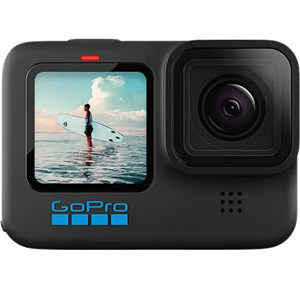
The GoPro HERO 10 Black is perfect for horse riders who need a rugged, reliable, and versatile camera that delivers exceptional video quality. Its combination of HyperSmooth stabilization, 5.3K resolution, slow motion, and weatherproof durability makes it the ultimate choice for capturing unforgettable moments on horseback.
Key Features
- Video Quality: 5.3K at 60fps keeps every detail of the ride crisp. You can clearly see each stride and jump, which helps when reflecting on technique or reviewing a session.
- HyperSmooth 4.0: Even on rough trails, the footage remains steady, so you can enjoy smooth playback without worrying about shaky videos.
- Mounting Options: Compatible with helmet, chest, or saddle mounts, allowing you to choose the perspective that works best for your ride.
- Durability & Waterproof: Waterproof to 10m and dustproof, so you can ride in rain, mud, or dusty conditions without concern for the camera.
- Battery Life: Approximately 1.5–2 hours per charge, giving you enough time to record most training sessions. You can also plan multiple short sessions if needed.
- Super-Slow Motion for Majestic Riding Moments: You can capture jumps, gallops, or dressage movements in dramatic slow motion. Many riders notice that seeing every stride in detail helps them appreciate the subtle grace of their horse and improve their technique.
Price: $299.99
FAQs about Cameras for Horse Riding
1. What Cameras Do Horse Riders Use?
Horse riders typically use action cameras, wearable cameras, or tracking cameras depending on their shooting needs. Popular choices include the GoPro HERO13 Black and Insta360 GO 3 for immersive first-person footage, while AI tracking cameras like OBSBOT Tail Air are ideal for hands-free recording from a distance.
2. Can I Use a GoPro to Record My Horse Riding Sessions?
Yes, GoPro cameras are a popular choice for recording horse riding sessions because they are compact, durable, and easy to mount on helmets or riding gear. However, for capturing the entire riding process without wearing a camera, an AI tracking camera can automatically follow the rider and keep them in frame.
3. What Are the Best GoPro Models for Horse Riding?
The GoPro HERO13 Black is one of the best options for horse riding thanks to its high-resolution video, stabilization, and rugged design. Older models like the GoPro HERO12 Black can also deliver excellent results for riders who want reliable action footage.
4. What's the 20% Rule in Horseback Riding?
The 20% rule in horseback riding refers to limiting any new training intensity, duration, or load to an increase of no more than 20% per week. This helps prevent injuries and allows both the horse and rider to adapt safely to new exercises or longer rides.
5. What Are the Best Settings for Taking Close-Up Photos of Horses?
For close-up horse photos, use a wider aperture (around f/2.8–f/5.6) to create a soft background and highlight details like the eyes or facial features. Keep the focus on the horse' eyes, use natural lighting when possible, and choose a suitable focal length to capture detailed yet natural-looking portraits.
Final Words
Over the decade, horse riding cameras have revolutionized equestrian experiences. These cameras are crucial for ensuring safety, preserving precious memories, and sharing them with others. The best part is that they are essential for riders, trainers, learners, and horse enthusiasts. This article discusses the top 7 best equestrian horse riding cameras, including OBSBOT Tail Air, SoloShot, Pixio, Pivo Pod, 360 Go 3, GoPro Hero9 Black, and Cambox.