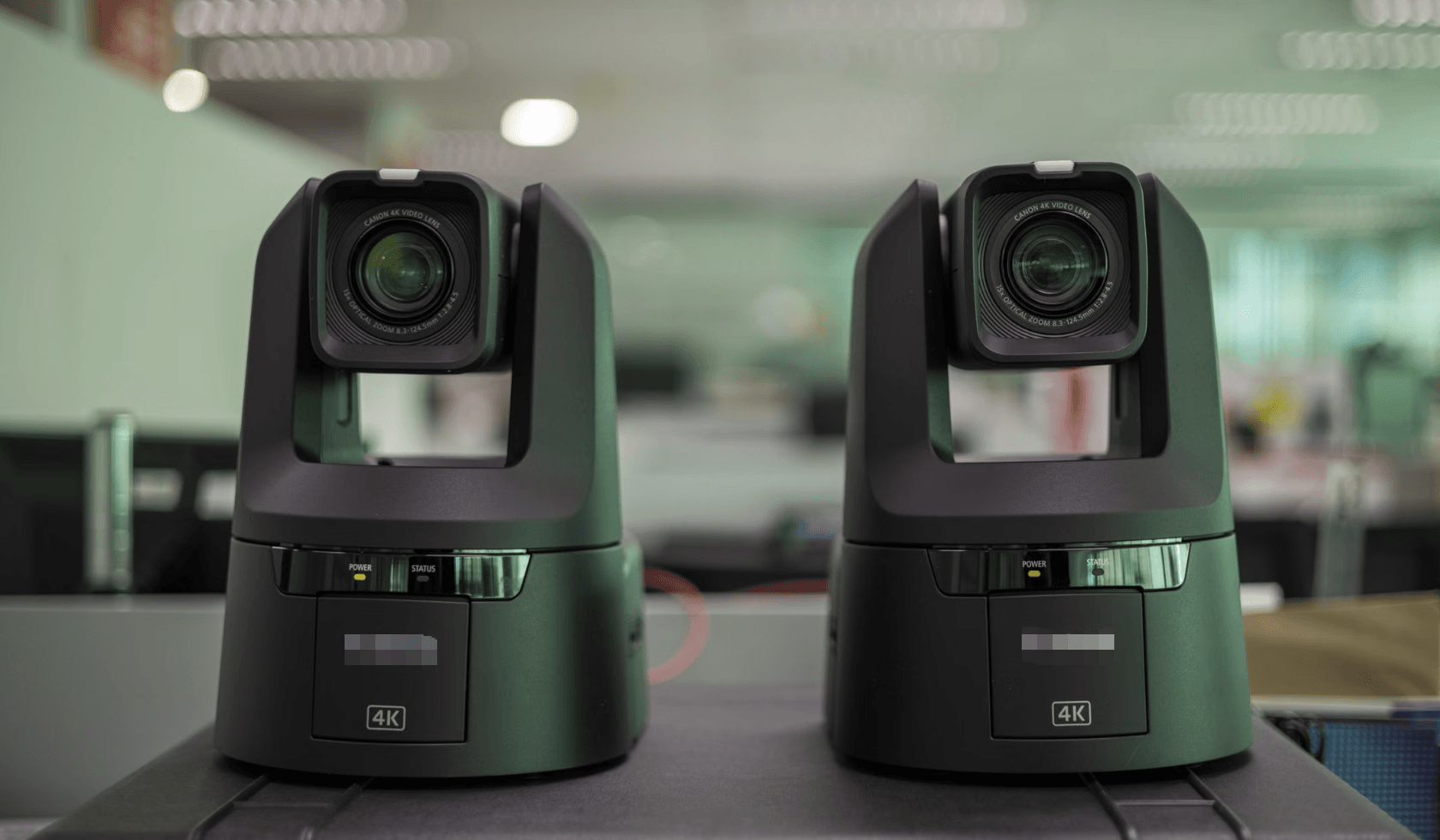
Best 4K Camera: 8 Picks for Video in 2026

A 4K label alone does not tell you whether a camera will make better videos. Some cameras record sharp footage but slow you down with weak autofocus, short recording limits, awkward audio, poor stabilization, or a setup that takes too long before every shoot.
This guide focuses on the best 4K cameras for real creator workflows: YouTube videos, filmmaking, travel content, hybrid photo and video work, action footage, and live production. Instead of ranking cameras only by image quality, each pick is matched to the kind of work where it makes the most sense.
Best 4K Camera Comparison
| Camera | Best Use | Sensor | Max Video | Stabilization | Price (Only for reference) |
|---|---|---|---|---|---|
| Panasonic Lumix GH7 | Serious creator filmmaking | 25.2MP Micro Four Thirds | 5.7K60, 4K120 | 5-axis sensor-shift | $1,798 |
| OBSBOT Tail 2 | Live production and solo filming | 1/1.5-inch CMOS | 4K60 | PTZR auto framing | $1,199 |
| Panasonic Lumix S5 IIX | Full-frame 4K video value | 24.2MP full-frame | 6K30, 4K60 | Active I.S. | $1,898 |
| Sony ZV-E10 II | YouTube beginner video | 26MP APS-C | 4K60 | Digital stabilization | $1,198 |
| Canon EOS R6 Mark II | Hybrid photo and video | 24.2MP full-frame | 4K60 | In-body stabilization | $1,999 |
| Sony FX30 | Compact cinema production | 26.1MP APS-C | 4K120 | 5-axis sensor-shift | $2,098 |
| DJI Osmo Pocket 3 | Travel vlogging | 1-inch CMOS | 4K120 | 3-axis gimbal | $499 |
| GoPro HERO13 Black | Action and outdoor footage | Action camera sensor | 5.3K60 | HyperSmooth | $399 |
8 Best 4K Cameras
1. Best Overall 4K Camera: Panasonic Lumix GH7

The Panasonic Lumix GH7 is a video-first mirrorless camera for creators who want high-end recording flexibility without moving into a larger cinema setup. Its strongest fit is serious 4K production, especially when you need high frame rates, stable handheld footage, and room to grade the final image.
Price: $1,798.
Key Features:
- 25.2MP BSI Micro Four Thirds sensor: keeps the camera system compact while supporting detailed video capture.
- 4K120 recording: creates smooth slow-motion footage for product shots, sports, dance, and cinematic B-roll.
- 5.7K60 recording: gives editors extra room to crop, stabilize, or reframe in a 4K timeline.
- 10-bit internal recording: preserves more color information for grading.
- 5-axis sensor-shift stabilization: helps handheld shots stay usable when a tripod or gimbal is not practical.
2. Best 4K Camera for Live Production: OBSBOT Tail 2
Most 4K cameras are built for someone standing behind the camera. OBSBOT Tail 2 solves a different problem: it is designed for creators, teachers, churches, event teams, livestreamers, and performers who need the camera to follow the subject while the production keeps moving.
Price: $1,199.
Key Features:
- 4K 60fps video: captures smooth, detailed footage for live events, training sessions, church services, and creator studios.
- AI Tracking 2.0: keeps the selected subject framed during movement, which is useful for presenters, performers, coaches, and instructors.
- 5x optical zoom: helps capture close-up shots from farther away without constantly moving the camera.
- 12x hybrid zoom: gives more flexibility for stages, classrooms, event rooms, and multi-angle production setups.
- PTZR design: supports pan, tilt, zoom, and rotation for horizontal and vertical production.
- Multi-port workflow: supports HDMI, 3G-SDI, Ethernet, USB, and production protocols for more serious streaming setups.
3. Best Full-Frame 4K Camera Value: Panasonic Lumix S5 IIX

The Panasonic Lumix S5 IIX is a strong full-frame option for interviews, commercial videos, short films, and creator work where low-light quality and depth of field matter. It gives you a more cinematic image style while keeping the body price below many higher-end full-frame video cameras.
Price: $1,898.
Key Features:
- 24.2MP full-frame sensor: helps create cleaner low-light footage and stronger background separation.
- 6K30 recording: gives editors more room for reframing and detailed 4K exports.
- 4K60 10-bit video: supports smoother motion and more flexible color editing.
- Phase hybrid autofocus: improves subject tracking for interviews and moving subjects.
- Active I.S. stabilization: helps reduce handheld shake for documentary-style shooting.
4. Best 4K Camera for YouTube Beginners: Sony ZV-E10 II

The Sony ZV-E10 II is a practical step-up camera for YouTube creators, solo presenters, and beginners who want better image quality than a phone without building a heavy rig. It keeps the setup approachable while still giving you interchangeable lenses and dependable autofocus.
Price: $1,198.
Key Features:
- 26MP APS-C sensor: gives creators a clear upgrade over phones and small webcams.
- 4K60 recording: supports smooth creator footage for YouTube, tutorials, and social video.
- Fast hybrid autofocus: helps keep faces and subjects sharp during solo recording.
- Interchangeable lens mount: lets beginners start simple and upgrade lenses over time.
- Creator-focused controls: make common video settings easier to access than many photo-first cameras.
5. Best Hybrid Photo and 4K Video Camera: Canon EOS R6 Mark II

The Canon EOS R6 Mark II is a balanced choice for people who shoot both photos and video. If one camera needs to cover portraits, events, family photography, YouTube footage, and client video, it offers a strong mix of autofocus, image quality, stabilization, and handling.
Price: $1,999.
Key Features:
- 24.2MP full-frame sensor: supports high-quality stills and clean 4K video.
- 4K60 internal recording: works well for interviews, events, and creator videos.
- Dual Pixel CMOS AF II: gives strong subject detection for people, animals, and moving subjects.
- In-body stabilization: helps handheld shooters get steadier footage and sharper stills.
- Canon RF lens system: gives users access to a wide range of native lenses.
6. Best Compact Cinema 4K Camera: Sony FX30

The Sony FX30 is made for creators who work more like a small production team than a casual camera user. It is a better fit for short films, branded content, music videos, interviews, and planned shoots where color grading, rigging, and production accessories matter.
Price: $2,098.
Key Features:
- 26.1MP APS-C BSI sensor: gives detailed 4K footage in a compact camera system.
- 4K120 recording: supports slow-motion footage for cinematic sequences and commercial work.
- 10-bit 4:2:2 recording: gives editors more flexibility for color grading.
- Cinema-style body: offers mounting points and production-friendly handling.
- Dual media slots: helps support longer or more demanding production days.
7. Best Pocket 4K Camera for Vlogging: DJI Osmo Pocket 3

The DJI Osmo Pocket 3 is one of the easiest ways to get smooth 4K video without carrying a full camera bag. It is especially useful for travel vlogs, walking shots, behind-the-scenes clips, and creators who need quick handheld footage with minimal setup.
Price: $499.
Key Features:
- 1-inch CMOS sensor: improves image quality over many small action-style cameras.
- 4K120 recording: allows detailed slow-motion footage in a tiny camera body.
- 3-axis gimbal: delivers smooth movement without a separate stabilizer.
- Rotatable touchscreen: makes switching between horizontal and vertical shooting easier.
- Subject tracking: helps solo creators keep themselves framed while moving.
8. Best 4K Action Camera: GoPro HERO13 Black

The GoPro HERO13 Black is the right kind of 4K camera for action-heavy footage. It is built for mounting, movement, water, dust, sports, travel, and situations where a traditional camera would be too fragile or awkward.
Price: $399.
Key Features:
- 5.3K60 video: gives extra detail beyond standard 4K capture.
- HyperSmooth stabilization: helps keep action footage watchable during fast movement.
- Compact rugged body: fits helmets, bikes, backpacks, and handheld mounts.
- Slow-motion modes: useful for sports highlights and dramatic action clips.
- Wide accessory support: makes it easy to adapt the camera to different shooting positions.
How to Choose the Best 4K Camera
Start with Your Main Shooting Format
If you shoot talking-head YouTube videos, autofocus and audio access matter more than extreme slow motion. If you shoot events or performances, long recording time, zoom range, and reliable framing become more important. If you shoot action, stabilization and durability should come first.
Check More Than Resolution
Two cameras can both record 4K and still feel completely different. Look at frame rate, autofocus, stabilization, sensor size, recording formats, lens options, and overheating behavior. These details affect the shooting experience more than the 4K label itself.
Match the Camera to Your Crew Size
A solo creator usually benefits from autofocus, tracking, flip screens, and simple controls. A small production team may prefer a camera with stronger codecs, monitoring tools, external audio options, and rigging support. Live production users may need PTZ control, HDMI, SDI, or network-based workflows.
Think About the Total Setup Cost
The camera body is only one part of the budget. Lenses, memory cards, batteries, microphones, lights, tripods, mounts, capture cards, and editing storage can change the real cost quickly. A lower-priced camera may not stay cheaper if it needs more accessories to work well.
Choose the Camera You Will Actually Use
The best 4K camera is not always the one with the biggest spec sheet. For beginners, a simple camera that is easy to carry and quick to set up often leads to better videos than a more advanced camera that feels slow or intimidating.
FAQs About the Best 4K Camera
Which 4K photo camera is the best?
For hybrid photography and video, the Canon EOS R6 Mark II is one of the strongest choices in this list because it combines full-frame image quality, reliable autofocus, in-body stabilization, and 4K60 video. If video is the top priority, the Panasonic GH7 or Sony FX30 may make more sense.
What is the best value 4K camera?
For many creators, the DJI Osmo Pocket 3 offers strong value because it includes 4K video, a built-in gimbal, a compact body, and quick setup at a much lower price than most mirrorless systems. For interchangeable lenses, the Sony ZV-E10 II is a practical beginner-friendly option.
Is a 4K camera good for photography?
A 4K camera can be good for photography if it also has a strong still-photo sensor, reliable autofocus, and useful lens support. Cameras like the Canon EOS R6 Mark II and Panasonic S5 IIX are better hybrid choices than small action cameras if photography matters.
What is the best 4K camera for YouTube?
The Sony ZV-E10 II is a strong YouTube choice for beginners because it is compact, creator-focused, and supports interchangeable lenses. For studio-style YouTube production, the Panasonic GH7 gives more advanced video tools, while OBSBOT Tail 2 is better for solo filming, teaching, and live production where auto framing matters.
Is a 4K security camera the same as a 4K creator camera?
No. A 4K security camera is usually designed for surveillance, fixed monitoring, night vision, and continuous recording. A 4K creator camera is designed for image quality, movement, lens choice, audio, color, and storytelling. If your goal is YouTube, filmmaking, vlogging, or live production, choose a creator-focused camera instead of a CCTV camera.
Conclusion
The best 4K camera depends on the kind of footage you need to make. For advanced creator video, the Panasonic Lumix GH7 is the strongest overall pick. For live production and hands-free shooting, the OBSBOT Tail 2 solves a different problem by helping the camera follow the subject instead of waiting for an operator. For full-frame video value, the Panasonic Lumix S5 IIX is a smart choice, while the Sony ZV-E10 II keeps things approachable for YouTube beginners.
If you are choosing your first serious 4K camera, start with your shooting style first, then compare the specs that directly affect that workflow. That approach will usually lead to a better purchase than chasing the highest resolution or the longest feature list.