Good Starter Digital Camera: 6 Beginner Cameras

You’ve outgrown your phone’s camera, but staring at hundreds of camera specs isn't making the choice any easier. The truth is, there’s no single "best" starter camera, only the one that fits what you're actually trying to create.
Whether you need a grab-and-go setup for travel, a crisp video rig for content, or simple casual shooting, this guide cuts through the noise to match your goals with the right gear.
Good Starter Digital Cameras Compared
The best starter camera is not always the cheapest one. A useful comparison should look at the camera type, sensor, lens path, video capability, and price together.
| Product | Choose It For | Sensor | Lens Included | Video | Price (only for reference) |
|---|---|---|---|---|---|
| Canon EOS R50 | Beginner photography and easy mirrorless learning | 24.2MP APS-C CMOS | RF-S 18-45mm kit lens | 4K 30p | $799.00 |
| Canon EOS R100 | Budget mirrorless photography | 24.1MP APS-C CMOS | RF-S 18-45mm kit lens | 4K 24p (cropped) + 1080p 60p | $599.99 |
| Nikon Z30 | Starter video, vlogging, and everyday photos | 20.9MP APS-C CMOS | NIKKOR Z DX 16-50mm kit lens | 4K 30p | $849.95 |
| Sony ZV-E10 II | Creator-focused video with room to grow | 26MP APS-C Exmor R CMOS | 16-50mm power zoom kit lens | 4K 60p | $1,099.99 |
| FUJIFILM X-M5 | Hybrid photo and video with compact design | 26.1MP APS-C X-Trans CMOS | XC 15-45mm kit lens | 6.2K 30p | $999.95 |
| Kodak PIXPRO FZ55 | Simple pocket camera under $200 | 16MP 1/2.3-inch CMOS | Built-in 5x optical zoom | 1080p | $139.99 |
6 Good Starter Digital Cameras to Buy
1. Canon EOS R50

The Canon EOS R50 is one of the easiest starter mirrorless cameras to recommend for people who want to learn photography without feeling buried in menus. It gives beginners a larger APS-C sensor, strong autofocus, a flip screen, and a small kit lens that works well for travel, portraits, family photos, and casual video.
Key features:
- 24.2MP APS-C CMOS sensor for sharper photos than most phones and basic compact cameras.
- Dual Pixel CMOS AF II with wide autofocus coverage for faces, people, and moving subjects.
- UHD 4K 30p video for beginner video projects and social content.
- Vari-angle touchscreen for selfies, low-angle shots, and simple framing.
- RF-S 18-45mm kit lens for everyday scenes, travel, and portraits.
Choose it if you want a first camera that feels friendly on day one but still gives you space to learn lenses, exposure, autofocus, and better composition.
2. Canon EOS R100

The Canon EOS R100 is a practical starter choice if you want an interchangeable-lens camera at a lower price. It is better suited for photography-first beginners than video-first creators because its 4K video has limitations, but for still images, family photos, school projects, and learning manual controls, it covers the essentials.
Key features:
- 24.1MP APS-C CMOS sensor for detailed beginner photography.
- RF-S 18-45mm kit lens for everyday shooting.
- 4K 24p with crop video for casual clips.
- Compact mirrorless body that is easier to carry than many older DSLRs.
- Access to Canon RF and RF-S lenses for future upgrades.
Choose it if your priority is getting into real-camera photography while keeping the upfront cost controlled.
3. Nikon Z30

The Nikon Z30 works well for beginners who split their time between photos and video. It has a compact body, a flip-out touchscreen, reliable autofocus, and 4K recording without making the camera feel intimidating. It is especially useful for travel, talking-head videos, lifestyle clips, and casual creator work.
Key features:
- 20.9MP APS-C sensor for strong image quality in a compact body.
- 4K 30p video for beginner YouTube, travel, and social videos.
- Flip-out touchscreen for self-recording and flexible angles.
- Built-in stereo microphone and simple video controls.
- NIKKOR Z DX 16-50mm lens for wide everyday coverage.
Choose it if you want your first digital camera to feel natural for both stills and beginner video production.
4. Sony ZV-E10 II

The Sony ZV-E10 II is a strong starter camera for people who already know they care about video. It costs more than basic beginner cameras, but it gives creators modern autofocus, 4K 60p recording, better color flexibility, and access to Sony E-mount lenses.
Key features:
- 26MP APS-C Exmor R CMOS sensor for detailed photo and video capture.
- 4K 60p and Full HD 120p for smoother motion and slow-motion clips.
- Creator-focused controls such as product showcase and background defocus.
- USB-C power support for longer recording sessions.
- 16-50mm power zoom kit lens designed for compact everyday shooting.
Choose it if your starter camera needs to handle YouTube, short-form video, livestream clips, and future lens upgrades.
5. FUJIFILM X-M5

The FUJIFILM X-M5 is a compact hybrid camera for beginners who want photos with character and video specs that can last beyond the first year. Its film simulation options make it appealing for travel, street photography, lifestyle shots, and creators who want attractive color without heavy editing.
Key features:
- 26.1MP APS-C X-Trans CMOS sensor for detailed stills.
- 6.2K 30p video and 10-bit internal recording for more advanced video growth.
- AI-based subject detection autofocus for people, animals, and moving subjects.
- Compact body that is easy to carry daily.
- XC 15-45mm power zoom kit lens for wide everyday framing.
Choose it if you want a stylish beginner camera that can support both casual photography and more serious creative work.
6. Kodak PIXPRO FZ55

The Kodak PIXPRO FZ55 is not trying to be a serious learning camera. Its value is simplicity. It is small, affordable, and easy to hand to a teenager, traveler, or casual shooter who wants the digital camera look without buying lenses or learning advanced settings.
Key features:
- 16MP 1/2.3-inch CMOS sensor for casual snapshots.
- 5x optical zoom lens for everyday framing flexibility.
- Rechargeable lithium-ion battery included.
- Simple fixed LCD screen and beginner-friendly controls.
- 1080p video for basic clips.
Choose it if you want a low-cost pocket camera for fun, travel, or casual everyday photos instead of a long-term camera system.
Bonus: Best Starter Camera for Hands-Free Video Creation - OBSBOT Tail Air
A beginner digital camera is great when you are behind the camera. But if you are recording yourself teaching, streaming, filming a product demo, or capturing a performance, the harder part is often staying framed while you move.
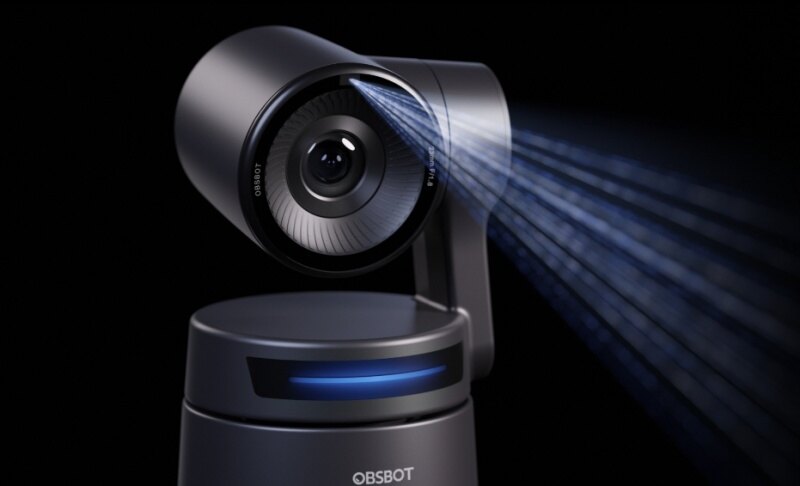
That is where the OBSBOT Tail Air fits naturally. It is not a traditional photo camera; it is a compact 4K PTZ streaming camera built for hands-free video capture, tracking, and flexible content creation.
Why It Works for Beginner Creators:
- AI tracking: Keeps the subject in frame while recording tutorials, workouts, demos, music practice, or livestreams.
- 4K 30p video: Gives creators sharp footage for streaming, online teaching, and social video.
- PTZ movement: Lets the camera pan, tilt, and follow movement without needing someone behind it.
- Multi-device control: Works with OBSBOT apps for easier control from a phone, tablet, or computer.
- Compact setup: Useful for small studios, desks, classrooms, churches, and creator spaces where a full camera crew is unrealistic.
How to Choose a Good Starter Digital Camera
Choose the right camera type first
If you only want simple snapshots, a compact point-and-shoot like the Kodak PIXPRO FZ55 is enough. If you want to learn photography seriously, choose a mirrorless camera such as the Canon EOS R50, Canon EOS R100, Nikon Z30, Sony ZV-E10 II, or FUJIFILM X-M5.
Look at the sensor, not just megapixels
Megapixels matter, but sensor size usually matters more for image quality. APS-C cameras generally give you better low-light performance, background blur, and editing flexibility than small-sensor compact cameras.
Think about the lens path
A kit lens is useful for getting started, but the camera system matters if you plan to grow. Canon RF-S, Nikon Z, Sony E-mount, and Fujifilm X-mount all give you upgrade paths, but lens price and availability should be part of your budget.
Match video specs to your real use
If you only record occasional clips, 1080p or 4K 30p is fine. If you want smoother motion, slow motion, or creator-focused video controls, look at cameras like the Sony ZV-E10 II or FUJIFILM X-M5.
Consider budget for accessories
Your first camera budget should include an SD card, spare battery, small bag, and possibly a tripod. A cheaper camera can become less useful if you cannot afford the accessories needed to use it comfortably.
Starter Camera Mistakes to Avoid
- Buying only by price: A cheap camera is not a good deal if it is uncomfortable, unavailable, or too limited for your main use.
- Ignoring autofocus: Beginners often benefit more from reliable autofocus than from advanced manual controls.
- Overvaluing megapixels: A 24MP APS-C camera can be more useful than a higher-number spec on a smaller or older camera.
- Forgetting lens cost: Interchangeable-lens cameras are systems, not one-time purchases.
- Buying an old discontinued model without checking availability: Some older cameras are still fine used, but a first-time buyer usually benefits from normal retail availability, return support, and current accessories.
FAQs About Good Starter Digital Cameras
What digital camera should I buy as a beginner?
For most beginners, the Canon EOS R50 is a strong all-around choice because it is easy to use, compact, and flexible for both photos and basic video. If your budget is tighter, the Canon EOS R100 is a lower-cost mirrorless option. If you want a simple pocket camera, the Kodak PIXPRO FZ55 is easier than an interchangeable-lens system.
What is the best digital camera for a beginner?
The best beginner digital camera depends on your goal. Choose the Canon EOS R50 for general learning, Nikon Z30 for starter video, Sony ZV-E10 II for creator-focused video, FUJIFILM X-M5 for compact hybrid shooting, and Kodak PIXPRO FZ55 for simple casual photos.
Which digital camera is best for photography for beginners?
For beginner photography, a mirrorless APS-C camera is usually the best starting point. The Canon EOS R50 and Canon EOS R100 are both good options because they give you a larger sensor, interchangeable lenses, and beginner-friendly controls.
Why is Gen Z obsessed with digital cameras?
Many Gen Z users like digital cameras because they create a different look from smartphone photos. Compact cameras and older-style digital images can feel more candid, nostalgic, and less processed, which works well for travel, parties, and social media.
Conclusion
A good starter digital camera should make you want to shoot more, not make every photo feel like homework. If you want the safest all-around pick, start with the Canon EOS R50. If budget matters most, look at the Canon EOS R100 or Kodak PIXPRO FZ55. If video is your main goal, the Nikon Z30, Sony ZV-E10 II, and FUJIFILM X-M5 give you more creator-friendly room to grow.
Start with the camera that fits your real use today, then upgrade lenses, lighting, audio, or video tools only when your needs become clearer.