Best Low Light Cameras for Photos, Video, and Live Production
A good low-light camera can capture details, reduce noise, and keep color accuracy even in darkness. If you are shooting night videos, vlogs, or even professional cinematography, finding the right low-light cameras can make a huge difference in your shots. This guide covers the best low-light camera options and their key features, along with tips on how to choose the right one for you.
Best Low Light Cameras Compared
The strongest low light cameras usually combine a larger sensor, clean high-ISO performance, effective stabilization, reliable autofocus, and fast lens support. The table below focuses on specs that actually affect low-light shooting.
| Product | Sensor | Low Light Strength | Video | Stabilization | Price(Only for reference) |
|---|---|---|---|---|---|
| Canon EOS R6 Mark II | 24.2MP full-frame CMOS | ISO 100-102400, strong subject detection | 6K oversampled 4K up to 60p | Up to 8 stops with compatible lenses | $1,999 |
| OBSBOT Tail 2 | 1/1.5-inch CMOS | Dual Native ISO, HDR, AI ISP | 4K 60p, 1080p 120p | Auto leveling and R-axis stabilization | $1,199 |
| Sony Alpha 7S III | 12.1MP full-frame BSI CMOS | Large pixels, EV-6 autofocus sensitivity | 4K up to 120p, 10-bit 4:2:2 | 5-axis IBIS with Active Mode | $3,999 |
| Nikon Z6 III | 24.5MP full-frame partially stacked CMOS | Fast sensor readout, strong AF, bright EVF | 6K RAW, 4K 120p, Full HD 240p | In-body stabilization | $1,997 |
| Panasonic LUMIX S5IIX | 24.2MP full-frame CMOS | Full-frame sensor, strong video workflow | 6K, unlimited 4K, ProRes options | Active I.S. | $1,898 |
| Fujifilm X-T5 | 40MP APS-C X-Trans CMOS 5 HR BSI | AF sensitive down to -7 EV, 7-stop IBIS | 6.2K 30p, 4K 60p | 7-stop IBIS | $1,999 |
Best Low Light Cameras by Use Case
The best low light camera depends on whether you shoot still photos, handheld video, stage events, travel, or live production. A camera that is excellent for night video is not always the best choice for high-resolution stills.
Best Overall Low Light Camera: Canon EOS R6 Mark II
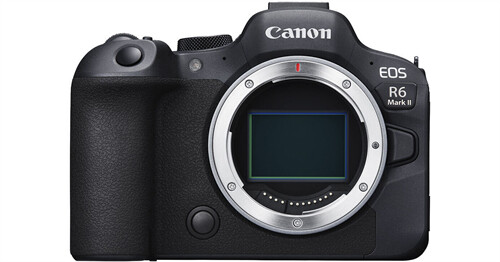
The Canon EOS R6 Mark II is the most balanced pick for photographers and hybrid creators who shoot dim events, indoor portraits, weddings, concerts, and video. Its full-frame 24.2MP sensor, high ISO range, strong subject detection, and stabilization make it practical when lighting changes quickly.
Price: $1,999.
Key Features:
- Full-frame 24.2MP sensor: Gives you a strong balance of resolution and light-gathering ability.
- ISO 100-102400: Useful when you need to raise sensitivity in dark rooms or night scenes.
- Dual Pixel CMOS AF II: Helps maintain focus on people, animals, and vehicles in difficult light.
- Up to 8-stop stabilization: Helps handheld stills and video when shutter speed is limited.
- 6K oversampled 4K 60p: Gives hybrid shooters detailed video without making the camera video-only.
Best for Low Light Live Production: OBSBOT Tail 2
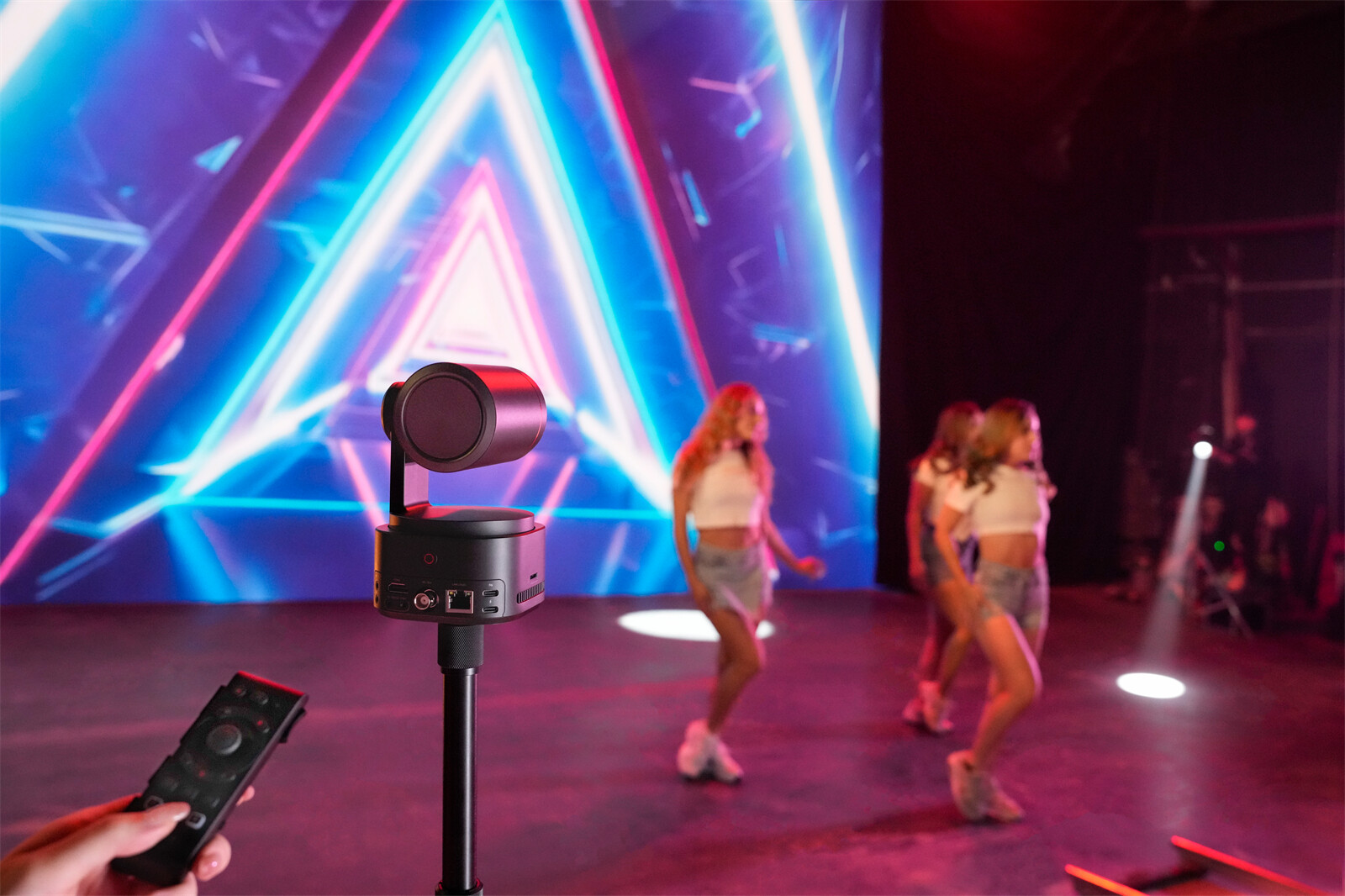
The OBSBOT Tail 2 is not meant to replace a mirrorless photography camera. It belongs in a different low-light category: live events, creator studios, education, worship, product demos, and stage-style video where tracking, zoom, and production connectivity matter.
Price: $1,199.
Key Features:
- Dual Native ISO and HDR: Helps preserve detail in dim venues, stage lighting, and mixed-light rooms.
- 4K 60fps video: Keeps live production footage sharp and smooth.
- 5x optical zoom and 12x hybrid zoom: Useful when the camera is placed farther from a presenter or stage.
- AI Tracking 2.0: Helps follow people, groups, animals, or objects without a dedicated camera operator.
- Pro connectivity: HDMI, 3G-SDI, Ethernet with PoE+, USB 3.0, NDI, RTMP, RTSP, SRT, and control protocols fit live workflows.
Best Low Light Video Camera: Sony Alpha 7S III
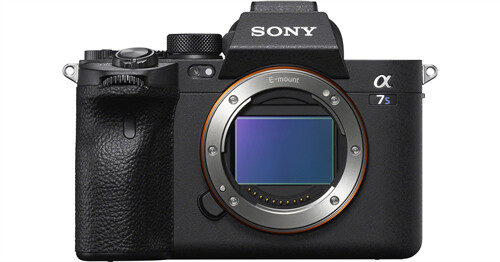
The Sony Alpha 7S III is built for creators who care more about clean low-light video than high-megapixel stills. Its 12.1MP full-frame sensor keeps pixel size large, which helps when shooting concerts, documentaries, night streets, and dim interiors.
Price: $3,999.
Key Features:
- 12.1MP full-frame BSI sensor: Prioritizes sensitivity and video performance over high-resolution cropping.
- 4K 120p 10-bit 4:2:2: Supports slow motion and color grading for demanding video work.
- EV-6 autofocus sensitivity: Helps the camera focus in very dim conditions.
- Dual card slots: Supports SDXC UHS-II and CFexpress Type A for high-bitrate workflows.
- Active Mode stabilization: Helps with handheld video, though it applies a slight crop.
Best Hybrid Value: Nikon Z6 III
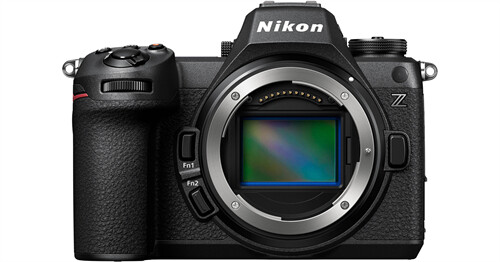
The Nikon Z6 III is a strong low-light hybrid camera for users who want fast performance, strong video options, and full-frame image quality without moving into flagship pricing. It is especially useful for event creators who need both stills and serious video features.
Price: $1,997.
Key Features:
- 24.5MP partially stacked full-frame sensor: Balances speed, image quality, and hybrid shooting.
- EXPEED 7 processor: Supports faster autofocus and subject detection performance.
- 6K RAW and 4K 120p: Gives video creators more room for production and slow-motion work.
- Bright EVF: Helps composition when the scene is dark but detail still matters.
- Pre-release capture: Useful for action, events, and unpredictable moments.
Best for Low Light Creator Video: Panasonic LUMIX S5IIX
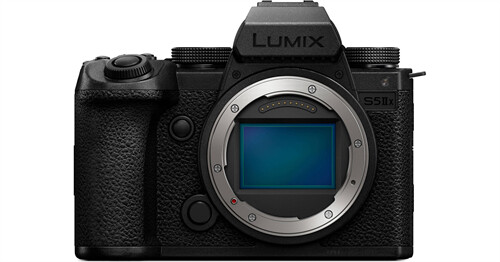
The Panasonic LUMIX S5IIX is a smart pick for creators who want full-frame low-light performance plus a deeper video workflow. It is not just about darkness; it is about handling recording formats, stabilization, livestreaming, and long production sessions.
Price: $1,898.
Key Features:
- 24.2MP full-frame sensor: Helps capture cleaner footage than smaller-sensor creator cameras in dim scenes.
- Phase Hybrid AF: Improves focus reliability compared with older contrast-only systems.
- 6K and unlimited 4K recording: Useful for long-form creator work, interviews, and production days.
- Active I.S.: Helps smooth handheld shots and walking footage.
- ProRes and IP streaming options: Fits creators who need more than casual recording.
Best APS-C Low Light Camera: Fujifilm X-T5
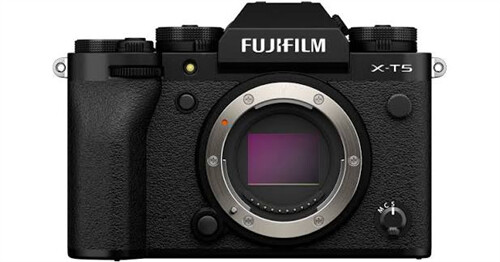
The Fujifilm X-T5 is not a full-frame camera, but it is a strong low-light choice for photographers who want a smaller body, high-resolution stills, in-body stabilization, and Fuji color science. It works best when paired with a fast prime lens.
Price: $1,999.
Key Features:
- 40MP APS-C BSI sensor: Gives great detail for stills while keeping the system compact.
- AF sensitive down to -7 EV: Helps focus in low-light scenes with enough contrast.
- 7-stop IBIS: Supports slower handheld shutter speeds for still subjects.
- 6.2K 30p and 4K 60p: Makes it capable for hybrid shooters, not just photography.
- Weather-sealed body: Useful for travel, night street photography, and outdoor work.
How to Choose the Best Low Light Camera
Choosing a good low-light camera is not just about finding the highest ISO number. Sensor performance, lens aperture, autofocus, stabilization, and image processing all affect how well a camera performs when light is limited. Focus on these five factors when comparing cameras.
Consider Sensor Size and Low-Light Performance
Larger sensors generally have an advantage in low light because they can collect more light, which can help produce cleaner images at higher ISO settings. Full-frame cameras are therefore a strong choice for demanding night, event, and indoor photography. However, sensor generation and design also matter, so a newer APS-C camera can sometimes outperform an older full-frame model.
Check the Available Fast Lenses
The lens can be just as important as the camera body. A wide aperture such as f/1.4, f/1.8, or f/2.8 lets more light reach the sensor, allowing you to use a faster shutter speed or lower ISO. Before choosing a camera system, check whether it offers fast lenses that fit your subjects and budget.
Look for Reliable Low-Light Autofocus
Good image quality matters little if the camera cannot focus in the dark. For concerts, weddings, indoor sports, street photography, or other moving subjects, look for strong low-light AF sensitivity, reliable subject detection, and effective eye or face tracking. Autofocus performance becomes especially important as available light decreases.
Consider In-Body Image Stabilization
In-body image stabilization (IBIS) can reduce camera shake and let you use slower shutter speeds when photographing stationary subjects handheld. It is particularly useful for night streets, interiors, landscapes, and other static scenes. However, stabilization cannot freeze a moving subject, so action photography still benefits from a fast lens and good high-ISO performance.
Compare High-ISO Image Quality, Not Maximum ISO
Do not choose a low-light camera simply because it advertises a very high maximum ISO. What matters is how the images actually look at the ISO settings you are likely to use. Compare noise, retained detail, dynamic range, skin tones, and color accuracy at higher ISO values. Good noise reduction and image processing can also make a significant difference, especially for JPEG and video shooters.
Low Light Camera Settings That Matter
Even the best low-light cameras need the right settings. Start with the widest usable aperture, raise ISO only as needed, and choose shutter speed based on subject movement.
- Aperture: Use a wider aperture such as f/1.8 or f/2.8 when you need more light.
- Shutter speed: Use faster speeds for people, animals, sports, and handheld video.
- ISO: Raise ISO until the exposure works, but test where your camera becomes too noisy for your standards.
- White balance: Set it manually when mixed lighting creates strange colors.
- RAW capture: Shoot RAW for stills when you need more control over noise and color in editing.
- Noise reduction: Use it carefully; too much can smear detail and skin texture.
FAQs About Low Light Cameras
What camera is best in low light?
For most hybrid shooters, the Canon EOS R6 Mark II is a strong all-around low-light choice. For video-first work, the Sony Alpha 7S III is better suited to dark scenes because it prioritizes sensitivity and video performance.
What is a low-light camera?
A low-light camera is a camera that can capture usable images in dim conditions with less noise, better detail, and more reliable focus. It usually combines a capable sensor, good high-ISO performance, stabilization, and support for fast lenses.
What camera takes the best pictures at night?
For night photography, choose a camera with a larger sensor, good high-ISO performance, strong stabilization, and access to bright lenses. Full-frame mirrorless cameras are usually strongest, but APS-C cameras can work well when paired with the right lens.
Are full-frame cameras better in low light?
Full-frame cameras usually have an advantage because the larger sensor can collect more light. However, lens aperture, autofocus, stabilization, and sensor generation also matter, so full-frame is helpful but not the only factor.
Are mirrorless cameras better in low light?
Modern mirrorless cameras can be excellent in low light because they often include advanced sensors, in-body stabilization, subject detection, and strong video tools. A mirrorless camera is not automatically better than every DSLR, but the newest low-light options are mostly mirrorless.
What makes a camera good in low light?
The main factors are sensor size, pixel design, lens aperture, stabilization, autofocus sensitivity, and image processing. For video, also check frame rates, codec quality, heat performance, and whether autofocus stays stable in dim scenes.
Conclusion
The best low-light cameras are not all built for the same job. Choose the Canon EOS R6 Mark II for balanced photo and video work, the Sony Alpha 7S III for low-light video, the Nikon Z6 III for hybrid value, the Panasonic S5IIX for creator video, the Fujifilm X-T5 for compact stills, and OBSBOT Tail 2 for low-light live production. Match the body with the right lens or audio setup, and your results will improve faster than chasing specs alone.