6 Best Small Cameras for Vlogging in 2026
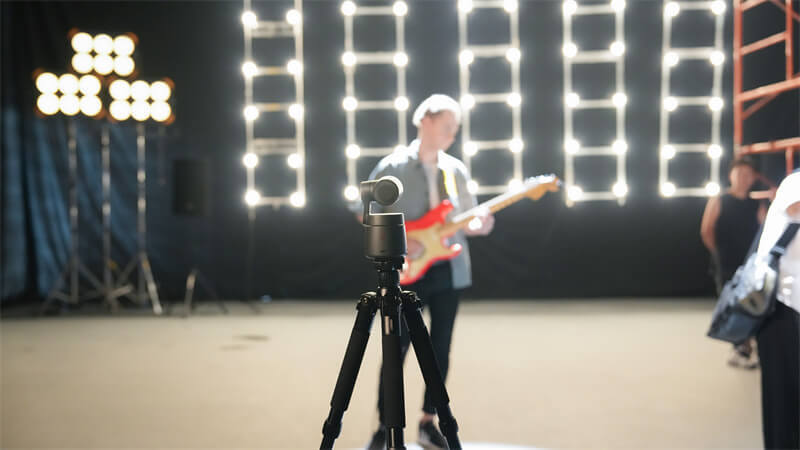
Choosing the best small camera for vlogging is about portability, stabilization, and video quality that beats your smartphone. This guide breaks down the top 6 picks that balance performance, convenience, and value.
6 Best Small Cameras for Vlogging
Here's a quick side-by-side comparison of all six cameras to help you see the key differences at a glance.
| Camera Model | FOV | Sensor Size | Resolution & Frame Rate | Stabilization | Focus System | Price |
|---|---|---|---|---|---|---|
| OBSBOT Tail Air | 85° | 1/1.8" CMOS | 4K@30fps / 1080p@60fps | 2-Axis Gimbal (Mechanical) | TOF + Contrast AF | $499 |
| Canon PowerShot V10 | 97.5° (19mm eq.) | 1" CMOS | 4K@30fps / 1080p@60fps | Digital Movie IS | Contrast Detection | $479.99 |
| DJI Osmo Pocket 3 | 93° (20mm eq.) | 1" CMOS | 4K@120fps / 1080p@240fps | 3-Axis Gimbal (Mechanical) | Full-Pixel PDAF | $499 |
| Sony ZV-1 II | 84° (18mm eq.) | 1" (Type 1) | 4K@30fps / 1080p@120fps | Active SteadyShot (Digital) | 315-pt PDAF + Contrast | $899 |
| Sony ZV-E10 II | Lens-dependent | APS-C (26MP) | 4K@60fps / 1080p@120fps | Electronic (Active Mode) | 759-pt Hybrid AF | $999 |
| Canon EOS R50 | Lens-dependent | APS-C (24.2MP) | 4K@30fps / 1080p@120fps | Digital / In-lens OIS | Dual Pixel CMOS AF II | $679.99 |
1. OBSBOT Tail Air Streaming Camera
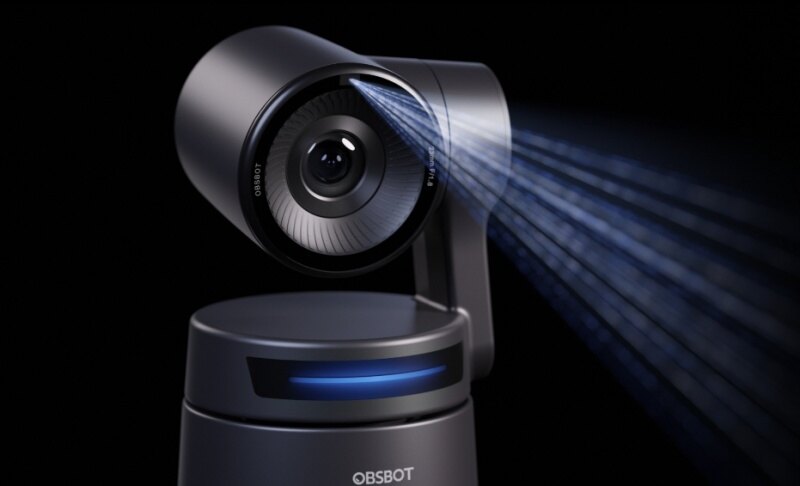
OBSBOT Tail Air is among the best small cameras for vlogging. It is AI-driven and takes your recording experience to a whole new level. This camera is suitable for indoor vlog recording as well as live streaming.
- 1/1.8" CMOS & f/1.8 Aperture: Larger sensor with 2.0μm pixels delivers bright, noise-free indoor footage, outperforming standard compact webcams in low light
- 4K UHD & TOF Autofocus: Captures sharp 4K@30fps video with instant, hunt-free focus, ideal for quick product close-ups
- Next-Gen AI Tracking: Locks onto humans, pets, and objects, keeping you centered automatically as you move around
- Gesture Control2.0: Start recording, zoom, or lock targets hands-free from a distance using simple hand signals
- 2-Axis Gimbal & Gyro Stabilization: Hardware-level stabilization smoothly absorbs tabletop vibrations and minor handheld camera shakes
- 344.5g Portable Setup: Weighs only 344g with 2.5 hours of battery life, making it easy to deploy anywhere on a mini tripod
Need fresh video ideas for your vlog? Check out OBSBOT's creative inspiration guide to make the most of your compact setup.
2. Canon PowerShot V10
Designed for creators on the move, this compact camera integrates a stand and stereo microphones into a vertical body similar to a smartphone, simplifying mobile storytelling by eliminating the need for extra accessories.

- 1" CMOS Sensor & 19mm Wide-Angle Lens: Delivers detailed, vibrant footage with a wide 97.5° field of view, making it easy to capture yourself and your surroundings simultaneously
- 4K@30fps Video with Digital Movie IS: Combines ultra-high-definition recording with electronic stabilization to ensure smooth, clear, and stable handheld footage
- Built-in Stand & Flip Screen: Features an integrated multi-angle kickstand and a 2.0-inch tilt-up LCD screen, enabling instant setup and effortless self-framing
- Large Stereo Microphones with Wind Filter: Captures clear, immersive audio from all directions while minimizing background noise for professional-quality sound
- Face Tracking & Contrast Autofocus: Locks onto your face automatically to keep you sharp and in focus while moving throughout your environment
3. DJI Osmo Pocket 3
The DJI Osmo Pocket 3 is a pocket-sized gimbal camera designed for creators who need stable, high-quality footage on the move. It packs a large sensor, physical stabilization, and smart tracking into a compact body to simplify solo filmmaking and vertical content creation.

- 1" CMOS sensor (9.4MP): Larger sensor than most compact cameras, delivering superior dynamic range and clean low-light footage
- 4K@120fps / 1080p@240fps: Industry-leading slow-motion capability in a pocket device, ideal for action and lifestyle content
- 3-axis mechanical gimbal stabilization: Hardware-level smooth footage that no digital EIS can replicate when walking, running, or panning
- ActiveTrack 6.0 with Face/Object Detection: Reliably keeps moving subjects centered in frame during solo shooting sessions
- 10-bit D-Log M color profile: Enables professional color grading in post-production with up to one billion colors recorded
- 2" rotatable OLED touchscreen: Full-screen landscape and portrait composition with high color accuracy for real-time feedback
4. Sony ZV-1 II
Creators seeking premium video quality without changing lenses will find a perfect fit in this compact camera. Equipped with a wide zoom lens, advanced autofocus, and optimized settings, Sony ZV-1 II excels in handheld shooting, indoor recording, and fast content production.

- 18-50mm f/1.8-4.0 equivalent lens: Ultra-wide 18mm starting focal length is specifically designed for arm's-length selfie vlogging without distortion
- 20.1MP 1" Exmor RS stacked CMOS: Fast readout sensor enables sharp 4K@30fps video with minimal rolling shutter and excellent low-light ISO performance
- 315-point PDAF + Real-Time Eye AF: Sony's tracking system intelligently locks onto faces and eyes, even when multiple people enter the frame
- Active SteadyShot (digital EIS): Reduces camera shake up to 11x vs. standard mode during walking handheld shots at 1080p
- Product Showcase Mode: Instantly switches autofocus from your face to a held object, ideal for product reviews and unboxings kinds of vlog
- 3-capsule directional microphone: Captures front-focused audio with switchable directional settings to suit different shooting environments
5. Sony ZV-E10 II
This mirrorless camera allows creators control over video production through interchangeable lenses, advanced autofocus, and high resolution recording. It offers flexibility for diverse shooting styles while maintaining a light body.

- 26MP APS-C Exmor R CMOS (BIONZ XR): Shares sensor and processor lineage with Sony's FX30 cinema camera, enabling 6K oversampling for 4K video
- 4K@60fps with 10-bit recording: Records in 10-bit 4:2:0 for expanded color grading flexibility, including Cinematic Vlog mode at 2.35:1 aspect ratio
- 759-point Hybrid AF (photo) / 495-point (video): AI subject detection and tracking with eye, face, human, and animal recognition
- Interchangeable Sony E-mount lenses: Access to a wide ecosystem of Sony E-mount lenses for different focal lengths, styles, and stabilization options
- 3" articulating touchscreen with tally light: Fully flips out for selfie shooting; integrated LED tally alerts you when recording is active
- 3-capsule directional mic + 3.5mm input: Built-in wind muff included; external microphone support for studio-grade audio
6. Canon EOS R50
The Canon EOS R50 is a beginner-friendly mirrorless camera to choose for users new to the content creation space. With reliable autofocus system and 4K video capabilities in a compact body, it offers a balanced solution for both vlogging and photography while remaining its nature of ease of use.

- 24.2MP APS-C CMOS + DIGIC X processor: 6K oversampled 4K@30fps recording with clean, accurate Canon color science straight out of the camera
- Dual Pixel CMOS AF II (651 zones / 4,503 AF points): Covers approximately 100% of the frame with intelligent subject recognition for people, animals, and vehicles
- 1080p@120fps slow-motion: Quarter-speed slow-motion for cinematic B-roll without the need for additional software
- Movie for Close-Up Demo Mode: Instantly shifts focus from face to a held product when presented to the camera; ideal for reviews, tutorials, and unboxings
- 3" vari-angle LCD touchscreen: Fully articulating screen supports portrait and landscape vlogging in any orientation
- RF-mount lens ecosystem: Access to Canon's growing, high-quality RF-S and RF lens lineup, including fast primes and zoom lenses
Selection Criteria for Small Cameras for Vlogging
Portability
Portability directly impacts how often you will actually carry and use your camera. Compact cameras or pocket-sized devices are easier to handle, store, and use in tight spaces like markets, streets, or public transport.
Sensor Size
Sensor size plays a major role in image quality, particularly in low-light conditions. Larger sensors capture more light, resulting in clearer, less noisy footage and better background blur (depth of field).
Resolution & Frame Rate
Resolution defines the sharpness and detail of your footage, while frame rate determines motion smoothness. High resolutions like 4K offer crisp details and cropping flexibility in post-production, while higher frame rates like 60fps or 120fps enable smooth, cinematic slow-motion capture.
Stabilization
Stabilization is critical if you shoot handheld, especially while walking or moving. Cameras offer either digital stabilization or mechanical (gimbal-based) stabilization, with gimbals generally providing smoother results.
Autofocus
A reliable autofocus system ensures that your face or subject remains sharp throughout the video. This is especially important for solo creators who don’t have someone behind the camera to adjust focus manually.
Audio Quality
Good video with poor audio can ruin the overall viewing experience. Built-in microphones are useful, but external microphone support provides significantly better sound clarity, especially in noisy environments.
FAQs about Small Camera for Vlogging
Q1: What small camera do vloggers use?
Most vloggers use compact models like the DJI Osmo Pocket 3 or the Sony ZV series because they balance portability and performance.
Q2: What is a good cheap vlogging camera?
Entry-level options like OBSBOT Tail Air, Canon PowerShot V10 and DJI Osmo Pocket 3 provide solid performance without high cost. If you are looking for a cheaper vlogging camera, go visit this OBSBOT's cheap vlogging cameras guide.
Q3: Are mini cameras worth it?
Yes, mini cameras are easier to carry and often deliver better video than smartphones, especially with stabilization and autofocus.
Conclusion
There's no universal answer to finding the best small camera for vlogging; the right choice depends on how and where you create content. For portable, all-situation shooting, the DJI Osmo Pocket 3 is the clear standout. For desktop use, the OBSBOT Tail Air offers remarkable intelligence at competitive prices. And for creators ready to invest in a growing system, both the Sony ZV-E10 II and Canon EOS R50 offer genuine long-term value.