Webcam Not Working? Complete 2026 Fix Guide for Windows & Mac
That moment when you're about to join an important video call and your laptop webcam is not working—we've all been there. Whether it's a black screen, error messages, or just no response at all, a non-working camera can turn your smooth workday into a stressful troubleshooting session.
As someone who's fixed hundreds of camera issues for clients, I can tell you that 90% of webcam problems have simple solutions. In this comprehensive guide, I'll walk you through exactly how to diagnose and fix your webcam issues, from quick 30-second fixes to more advanced solutions.
How to Fix a Camera on a Laptop? Try These First
Before diving deep into technical solutions, try these quick fixes that solve most common webcam issues:
| Quick Fix | What It Solves | Time Required |
|---|---|---|
| Restart your computer | Temporary glitches, software conflicts | 2 minutes |
| Check physical connections | Loose cables, disconnected webcams | 30 seconds |
| Test with different apps | Application-specific issues | 1 minute |
| Check camera privacy settings | Permission blocks, access denied | 1 minute |
| Update your video app | Outdated software compatibility | 2 minutes |
Most Effective Quick Fix: Simply restarting your computer resolves about 60% of webcam issues. It clears temporary software conflicts and resets camera drivers.
Why Your Webcam Stopped Working
Understanding the root cause helps you apply the right solution faster. Here are the most common reasons webcams fail:
Software and Driver Issues (Most Common)
These account for about 70% of all webcam problems:
- Outdated or corrupted drivers - Camera drivers can become outdated or damaged after system updates
- Software conflicts - Multiple apps trying to access the camera simultaneously
- Operating system updates - New Windows or macOS versions sometimes break camera functionality
- Application bugs - Specific apps like Zoom or Teams having compatibility issues
Permission and Privacy Problems
Modern operating systems are strict about camera access:
- Privacy settings blocking access - System-level camera permissions turned off
- App-specific permissions - Individual applications denied camera access
- Browser camera blocks - Web apps like Google Meet requiring explicit permission
Hardware Failures (Less Common)
When software solutions don't work, consider these hardware issues:
- Physical damage - Dropped laptops or damaged camera modules
- Connection problems - Loose internal cables or faulty USB ports
- Component failure - Camera hardware reaching end of life
- Obstructions - Dirt, stickers, or camera covers blocking the lens
Upgrade Your Video Experience: OBSBOT Tiny 3 Lite 4K PTZ Webcam
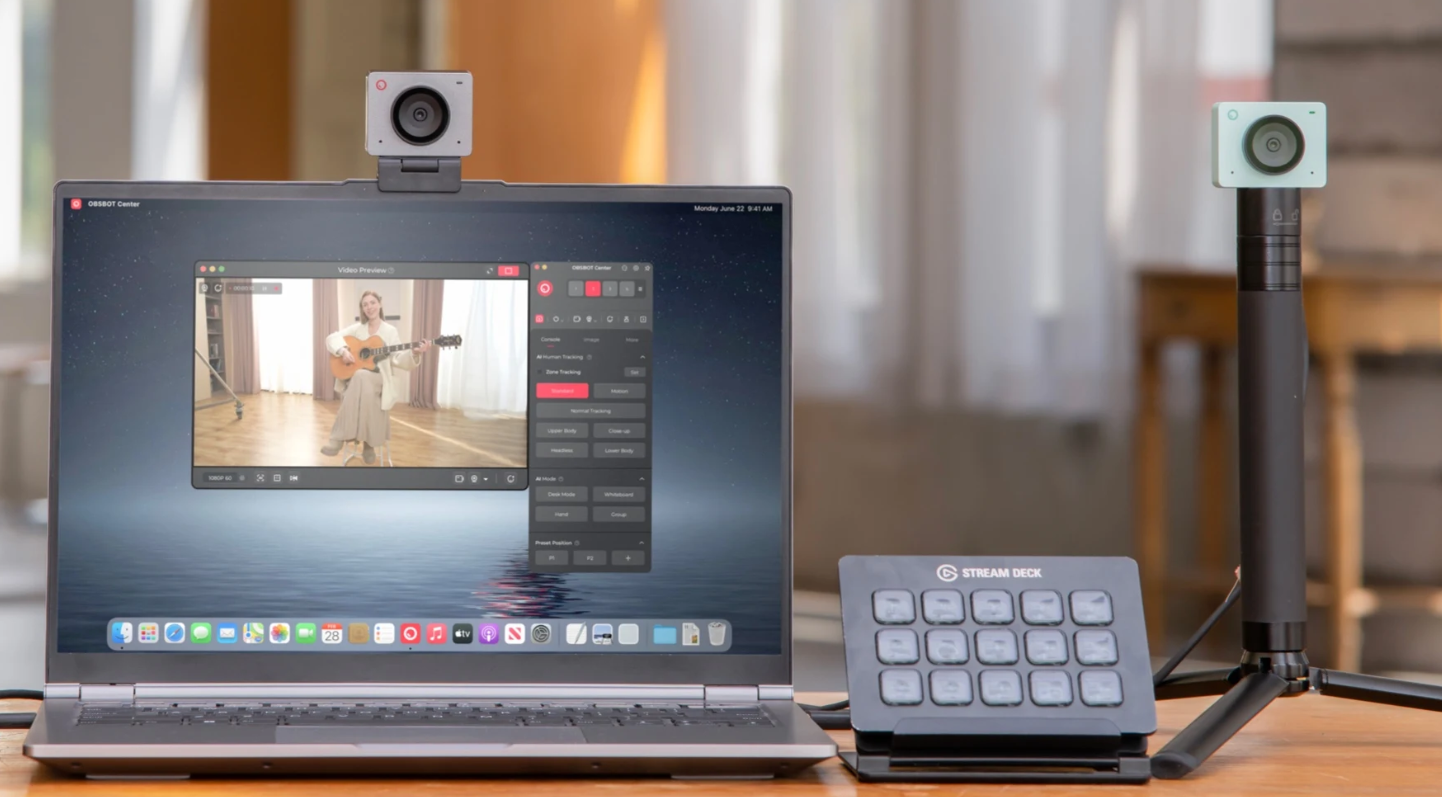
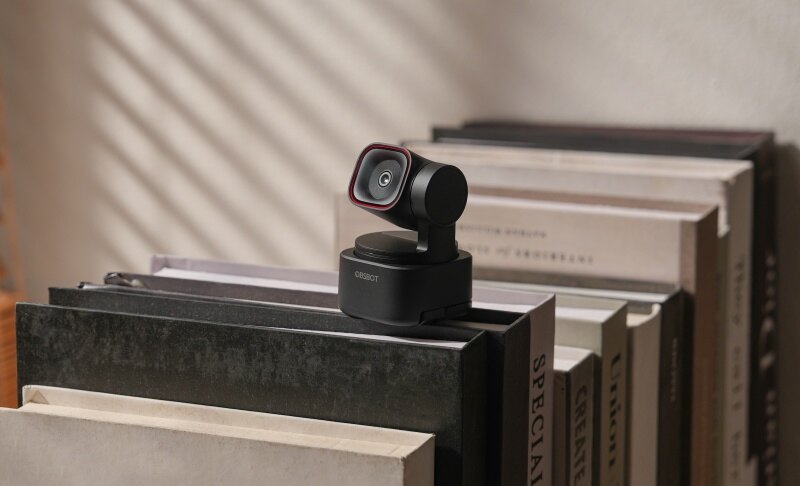
If your built-in camera keeps failing or you want professional video quality, the OBSBOT Tiny 3 Lite offers reliable performance with advanced features that outperform most laptop cameras. Perfect for remote work, streaming, and important video calls.
Why Choose OBSBOT Tiny 3 Lite:
- Intelligent Directional Mic System – Clear, natural sound optimized for any scenario
- 4K Ultra Video – High-quality 4K@30fps with 1080p@120fps for smooth, detailed visuals
- AI Framing with Human & Voice Tracking – Automatically keeps you centered and adjusts framing intelligently
- Advanced HDR & 1/1.2"CMOS Sensor – Excellent low-light performance and accurate color reproduction
- Powerful Hand Tracking – Track gestures for interactive demos or hands-free control
- Compact, Ultra-Small Design - One of the world's tiniest webcams
Step-by-Step Webcam Troubleshooting
Follow these steps in order - they're organized from simplest to most complex solutions.
1. Basic Computer Restart
This simple step resolves more camera issues than you'd expect:
- Save all your work and close open applications
- Click Start menu → Power → Restart
- Wait for a full reboot and test your camera immediately
Why this works: Restarting clears temporary software conflicts and resets camera drivers without complex troubleshooting.
2. Check Camera Privacy Settings
Privacy settings are the #1 reason cameras stop working after system updates.
Windows 10/11 Privacy Check:
- Press Windows + I to open Settings
- Go to Privacy & security → Camera
- Ensure Camera access is turned ON
- Check that your specific apps (Zoom, Teams, etc.) have camera permission enabled
macOS Privacy Check:
- Click Apple menu → System Settings
- Go to Privacy & Security → Camera
- Make sure each application you use has camera access enabled
3. Update Camera Drivers
Outdated drivers cause about 40% of persistent camera issues.
Windows Driver Update:
- Right-click Start button → Select Device Manager
- Expand Cameras or Imaging devices
- Right-click your camera → Update driver
- Choose Search automatically for drivers
- Restart your computer after installation
If Update Doesn't Work - Reinstall Driver:
- In Device Manager, right-click the camera → Uninstall device
- Check and delete the driver software for this device if available
- Restart your computer - Windows will reinstall the driver automatically
4. Close Conflicting Applications
Multiple apps trying to use the camera simultaneously can cause conflicts:
- Press Ctrl + Shift + Esc to open Task Manager
- Look for apps like Zoom, Teams, Skype, and Discord in the Processes tab
- Right-click each → End task
- Test your camera with one application at a time
5. Test with Different Applications
To figure out why the webcam on computer is not working, test it with built-in system tools to see if the issue is app-specific:
- Windows: Use built-in Camera app (search "Camera" in Start menu)
- Mac: Use the Photo Booth app (Applications folder)
- Online: Test with web-based tools like video conferencing websites
If the camera works in some apps but not others, the problem is application-specific rather than a hardware failure. You can follow our step-by-step guide on how to test your webcam to pinpoint issues more accurately.
Advanced Solutions for Stubborn Camera Issues
If the basic solutions didn't work, try these advanced troubleshooting methods.
Run Windows Hardware Troubleshooter
Windows includes built-in tools that can automatically detect and fix camera issues:
- Go to Settings → System → Troubleshoot
- Select Other troubleshooters
- Find the Camera and click Run
- Follow the automated troubleshooting steps
Check for Operating System Updates
System updates often include camera driver and compatibility fixes:
Windows Update:
- Settings → Windows Update → Check for updates
- Install all available updates, especially optional driver updates
- Restart your computer after updates are complete
macOS Update:
- Apple menu → System Settings → Software Update
- Install any available updates
- Restart your Mac after updating
Disable and Re-enable Camera in Device Manager
This resets the camera connection without reinstalling drivers:
- Open Device Manager
- Expand Cameras
- Right-click your camera → Disable device
- Wait 10 seconds, then right-click → Enable device
- Test your camera immediately
Check for Physical Hardware Issues
When all software solutions fail, consider these hardware checks:
- Clean the camera lens with a microfiber cloth
- Remove any camera covers or stickers that might be blocking the lens
- Check for physical damage - dents, cracks, or impact marks near the camera
- Test with an external webcam to determine if it's a hardware failure
- Inspect internal connections (for advanced users or technicians)
When to Consider a Webcam Upgrade
If you've tried everything and your camera still isn't working, it might be time for an upgrade. Here's when replacement makes sense:
| Situation | Recommendation | Expected Cost |
|---|---|---|
| Built-in camera not working after all the troubleshooting | External USB webcam | $40-$200 |
| Poor video quality, even when working | HD or 4K external webcam | $60-$300 |
| Multiple hardware failures on an older laptop | New laptop or external webcam | $200-$1500 |
| Professional streaming or recording needs | High-end webcam or camera | $150-$600 |
FAQs About Fix Webcam Not Working
1. Can I Fix a Black Screen Webcam Issue by Simply Restarting My Computer?
Yes, restarting your computer resolves approximately 60% of webcam issues. This simple step clears temporary software conflicts, resets camera drivers, and fixes minor system glitches without complex troubleshooting. Before trying advanced solutions, always start with a full restart. Save your work, close all applications, and reboot your system. After restarting, test your webcam using the Camera app on Windows or Photo Booth on Mac to confirm the issue is resolved.
2. Do Privacy Settings Block My Webcam From Working on Windows 10/11?
Yes, privacy settings are a common cause of webcams not working, especially after system updates. Windows requires explicit camera access permissions at both the system and app levels. Press Windows + I to open Settings, go to Privacy & Security, then select Camera. Make sure camera access is turned ON. Also, check that apps like Zoom, Microsoft Teams, and Discord have individual camera permissions enabled. Without these settings, your webcam will not function.
3. Will Updating Camera Drivers Fix My OBSBOT Webcam Not Working?
Yes, outdated drivers cause around 40% of ongoing webcam issues for both built-in and external cameras like OBSBOT. Open Device Manager by right-clicking the Start button, expand Cameras or Imaging Devices, right-click your webcam, and select Update Driver. Choose "Search automatically for drivers" and restart your computer. If the issue continues, uninstall the camera device, restart again, and let Windows reinstall fresh drivers automatically.
4. Can Multiple Applications Using My Camera Simultaneously Cause It to Stop Working?
Yes, running multiple applications that try to access your webcam at the same time can cause conflicts, leading to freezing, black screens, or the camera not being detected. Open Task Manager using Ctrl + Shift + Esc, find apps like Zoom, Teams, Skype, or Discord, and end any unnecessary tasks. Then, test your webcam using one application at a time. Most operating systems allow only one app to use the camera at once.
5. How to activate laptop webcam?
To activate your laptop webcam, open Settings → Privacy & Security → Camera on Windows and enable camera access for your device and apps. You can also open the Camera app to test whether the webcam is working. If it doesn’t work, check the webcam driver, privacy shutter, or camera switch on your laptop.
Final Checklist: Preventing Future Webcam Issues
Keep your camera working smoothly with these maintenance tips:
- Regularly update your operating system and camera drivers
- Keep video applications updated to the latest versions
- Check privacy settings after major system updates
- Close other camera applications when not in use
- Clean the camera lens gently with appropriate materials
- Consider an external webcam for important meetings and professional use
Remember, most webcam issues are temporary and solvable. With this comprehensive guide, you're equipped to handle virtually any camera problem that comes your way. For step-by-step instructions on setting up and using your camera, check out how to use a webcam on a laptop. Here's to smooth, stress-free video calls ahead!
If you're still experiencing issues after trying all these solutions, the OBSBOT Tiny 3 Lite 4K PTZ webcam offers a reliable upgrade path that eliminates most common camera problems while delivering professional-grade video quality.