What Is a Webcam? Here's All You Need to Know

Remember those awkward video calls where you couldn't figure out why your picture looked so blurry? Or when your colleagues kept asking, "Can you hear me?" during an important meeting? In our increasingly connected world, having a reliable webcam has become as essential as having a reliable internet connection.
A webcam is a digital video camera that connects to your computer, allowing you to capture and transmit live video in real-time. Whether you're working remotely, attending online classes, streaming your gaming sessions, or simply staying in touch with loved ones, this small device plays a huge role in how we communicate today.
What is a Webcam Used for?
Webcams have evolved far beyond simple video calls. Today, they're essential tools for work, education, entertainment, and security.
Here are the most common webcam uses:
- Video Conferencing: Powering meetings on platforms like Zoom, Microsoft Teams, and Google Meet
- Remote Work & Telecommuting: Enabling face-to-face communication with colleagues and clients
- Online Education: Facilitating virtual classrooms and one-on-one tutoring sessions
- Content Creation & Streaming: Broadcasting on Twitch, YouTube, and other platforms
- Social Connections: Keeping in touch with friends and family through FaceTime, WhatsApp video, and similar apps
- Home Security: Monitoring your home, pets, or children while you're away
- Business Presentations: Creating professional videos for marketing or training
During the pandemic, webcams became indispensable for millions. Even as we return to offices and classrooms, hybrid work models ensure webcams remain essential tools for modern communication.

What Are the Different Types of Webcams?
Not all webcams are created equal. Understanding the different types helps you choose the right one for your needs.
| Webcam Type | Best For | Pros | Cons |
|---|---|---|---|
| Built-in Laptop Cameras | Basic video calls, convenience | Always available, no extra cost | Limited quality, fixed position |
| USB Webcams | Most users use desktop computers | Easy setup, better quality than built-in | Requires a USB port and an extra cable |
| Network/IP Cameras | Security, pet monitoring | Continuous operation, remote access | A more complex setup usually needs a power outlet |
| Advanced Streaming Webcams | Content creators, professionals | High quality, advanced features | Higher price, may need additional software |
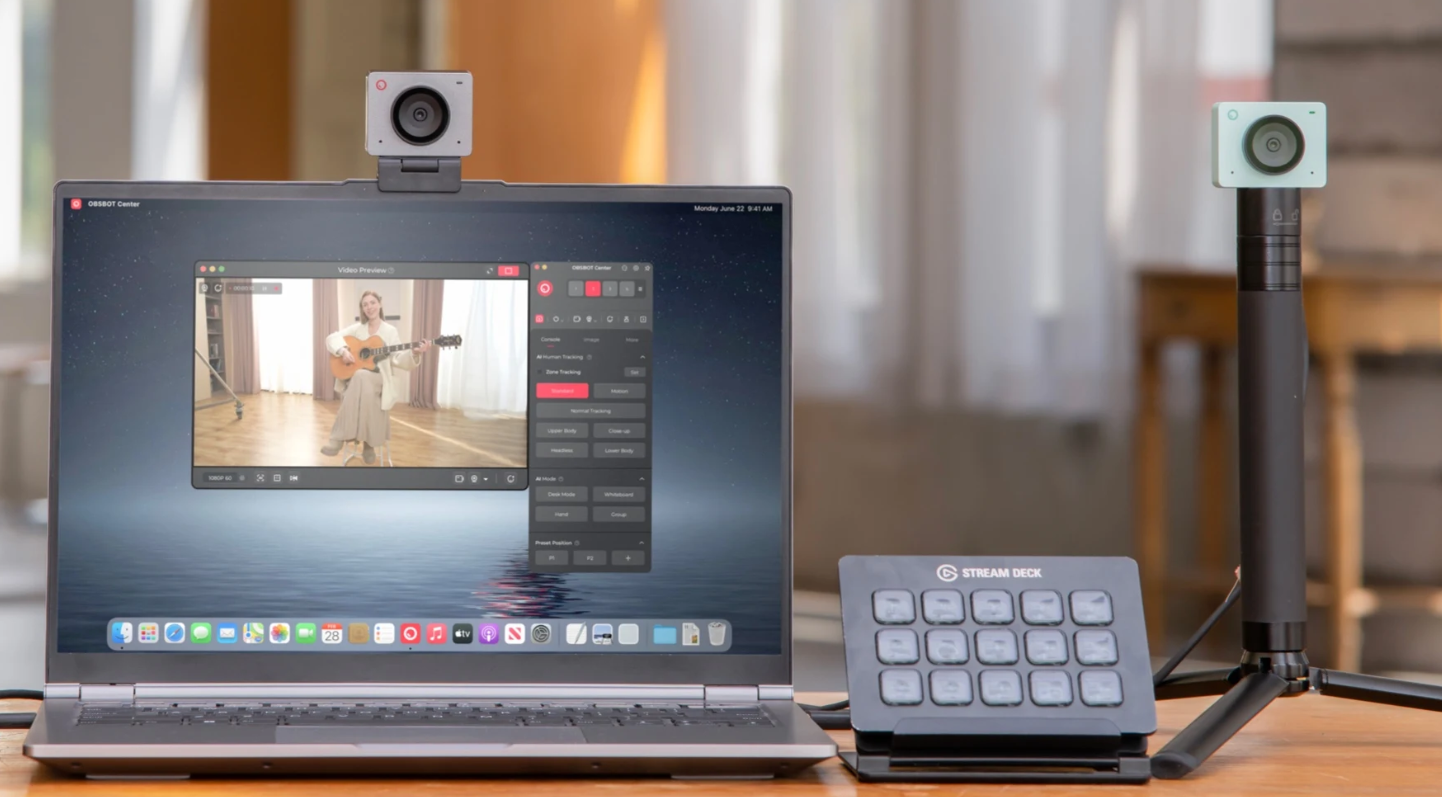
| AI-Powered Webcams | Presenters, educators | Auto-tracking, smart framing | Premium price, learning curve for features |
Most computers come with basic built-in cameras, but for serious video communication, investing in a dedicated webcam makes a noticeable difference in quality. If you choose an external USB webcam, check out our detailed guide on How to Use External USB Webcams to get the most out of your device.
What Should I Look for in a Webcam? Expert Buying Guide
Choosing the right webcam can be overwhelming with all the technical specifications. As someone who's tested dozens of webcams, let me break down what really matters.
| Feature | What to Look For | Why It Matters |
|---|---|---|
| Resolution | 1080p (Full HD) minimum, 4K for professionals | Determines image clarity and sharpness |
| Frame Rate | 30 fps for standard use, 60 fps for smooth motion | Affects how smooth your video appears |
| Sensor Size | Larger sensors (1/2"+) perform better in low light | Impacts image quality, especially in dim conditions |
| Lens Quality | Glass lenses outperform plastic | Reduces distortion and improves clarity |
| Field of View | 78°-90° for individuals, 120° for groups | Determines how much the camera can see |
| Autofocus | Auto-focus is essential for most users | Keeps you sharp even when you move |
| Microphone | Dual mics with noise reduction | Ensures clear audio without extra equipment |
| Low Light Performance | Look for HDR or low-light correction | Maintains image quality in various lighting conditions |
| Privacy Features | Physical shutter or LED indicator | Protects your privacy when the camera isn't in use |
Beyond specs, consider these practical factors:
- Mounting Options: Ensure it fits your monitor or has a flexible stand
- Cable Length: USB webcams should have at least 5-foot cables
- Compatibility: Check it works with your operating system and software
- Software Features: Some webcams offer custom settings and effects
My professional advice? Don't just buy the cheapest option. A quality webcam will serve you well for years and dramatically improve your video presence.
External Webcams vs. Built-in Computer Cameras: Which is Better?
This is one of the most common questions I hear. The answer depends on your needs and budget.
| Feature | Built-in Webcams | External Webcams |
|---|---|---|
| Image Quality | Basic (usually 720p) | Good to Excellent (1080p to 4K) |
| Convenience | Always available | Requires setup and cable management |
| Flexibility | Fixed position | Adjustable positioning |
| Microphone Quality | Basic, picks up keyboard sounds | Usually better, sometimes with noise cancellation |
| Low Light Performance | Poor to fair | Good to excellent |
| Additional Features | Minimal | Auto-framing, tracking, and custom settings |
| Cost | Included with the computer | $50-$300+ |
When to stick with built-in: If you only make occasional casual video calls and don't want extra equipment or expense.
When to upgrade to external: If you regularly participate in important video meetings, create content, stream, or want significantly better video quality.
What Is the Best Webcam for Streaming & Zoom Meetings?
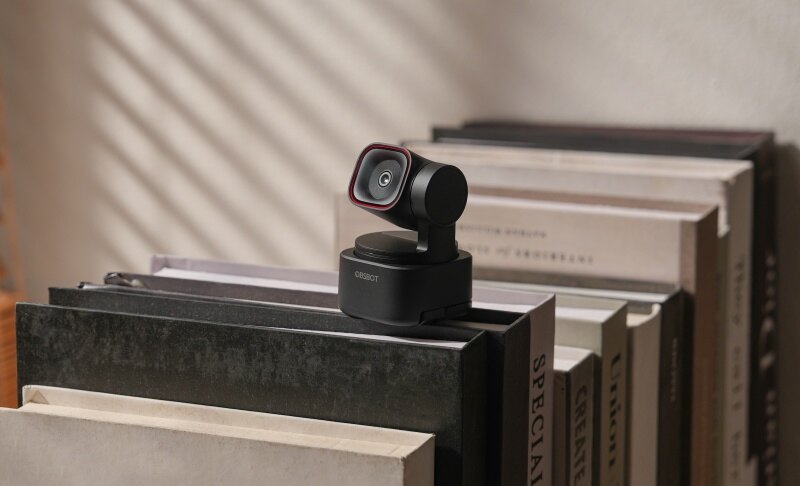
After testing numerous webcams, I consistently recommend the Tiny 3 4k PTZ Webcam for anyone serious about their video quality.
Why does this webcam stand out in a crowded market? It embodies the philosophy of "Tiny in size, Titan in power," delivering professional performance in a compact design:
- Stunning Visuals: The 1/1.28" CMOS sensor captures exceptional 4K 30fps video, and supports up to 1080p 120fps for ultra-smooth motion.
- AI Tracking 2.0: Never worry about staying in shot; this 4k PTZ Webcam features integrated Human and Voice Tracking to keep you perfectly framed.
- Voice Locator & Immersive Spatial Audio: Features a professional mic system that works in tandem with the tracking to focus on your audio as accurately as your video.
- Superior Low-light Performance: With Dual Native ISO (100~12800), it delivers clear, noise-free images even in poorly lit environments.
- Advanced Focus & Audio: Features Dual All-Pixel PDAF for instant focusing and an Immersive Stereo Mic System with Voice Locater.
- Versatile Modes: Includes specialized AI modes like Desk Mode, Whiteboard Mode, and Hand Tracking for dynamic presentations.
Whether you're leading important business presentations, teaching online classes, or streaming to an audience, the Tiny 3 ensures you always look and sound your best.
FAQs About What Is a Webcam
1. Can I Use My Phone as a Webcam?
Yes, you can use your phone as a webcam with the right apps and software. Many applications allow you to connect your smartphone to your computer and use its camera for video calls or streaming. However, this setup requires additional software and a stable connection. While it’s convenient in emergencies, dedicated webcams like USB or AI-powered models offer better stability, superior image quality, and more reliable performance for regular video calls.
2. Can Someone Watch You Through Your Webcam?
Yes, it’s technically possible for someone to access your webcam remotely through malware or hacking, though it’s rare. This is why many webcams now include privacy features like physical shutters or LED indicators that show when the camera is on. External webcams often have better security than built-in laptop cameras. To stay safe, keep your software updated, use antivirus protection, and consider covering your camera when not in use.
3. Can a Webcam Work Without Internet?
Yes, webcams can work without an internet connection for certain uses. You can record videos locally, use them offline, or monitor spaces without streaming. However, video conferencing, live streaming, remote monitoring, and cloud-based applications require an internet connection. Advanced webcams may record locally, but their smart features and remote access need internet access to work properly.
4. Should I Cover My Phone's Camera?
Not necessarily, but it’s a good privacy precaution if you're worried about unauthorized access. Unlike dedicated webcams with physical shutters, phone cameras usually lack visible privacy controls. While modern smartphones have security measures to limit unauthorized camera access, covering your camera with a simple cover provides extra peace of mind if you handle sensitive information.
5. Why Do People Put Tape Over Their Cameras?
There’s a valid reason—it’s a simple privacy protection method. Covering your camera with tape prevents unauthorized viewing if malware or hackers gain access. Many security experts use this low-tech solution. However, modern external webcams often include built-in privacy shutters, offering a more convenient and cleaner alternative. Built-in laptop cameras typically lack these features, so tape is a practical backup.
Final Thoughts: Making the Right Webcam Choice
Choosing a webcam is about finding the right balance between your needs, budget, and desired features. While built-in cameras work for casual use, investing in a quality external webcam dramatically improves your video presence.
Remember these key points:
- Prioritize 1080p resolution or higher for clear video
- Consider your primary use case (meetings, streaming, security)
- Don't overlook audio quality - it's half the communication experience
- Look for privacy features if security is a concern
- Better low-light performance means more flexibility in your environment
In our increasingly visual world, a good webcam isn't just a luxury—it's an essential tool for effective communication. Whether you choose the advanced OBSBOT Tiny 3 or another quality webcam, investing in better video quality will pay dividends in how you're perceived and how effectively you communicate.